Why Women Struggle With Heavy Motorcycles
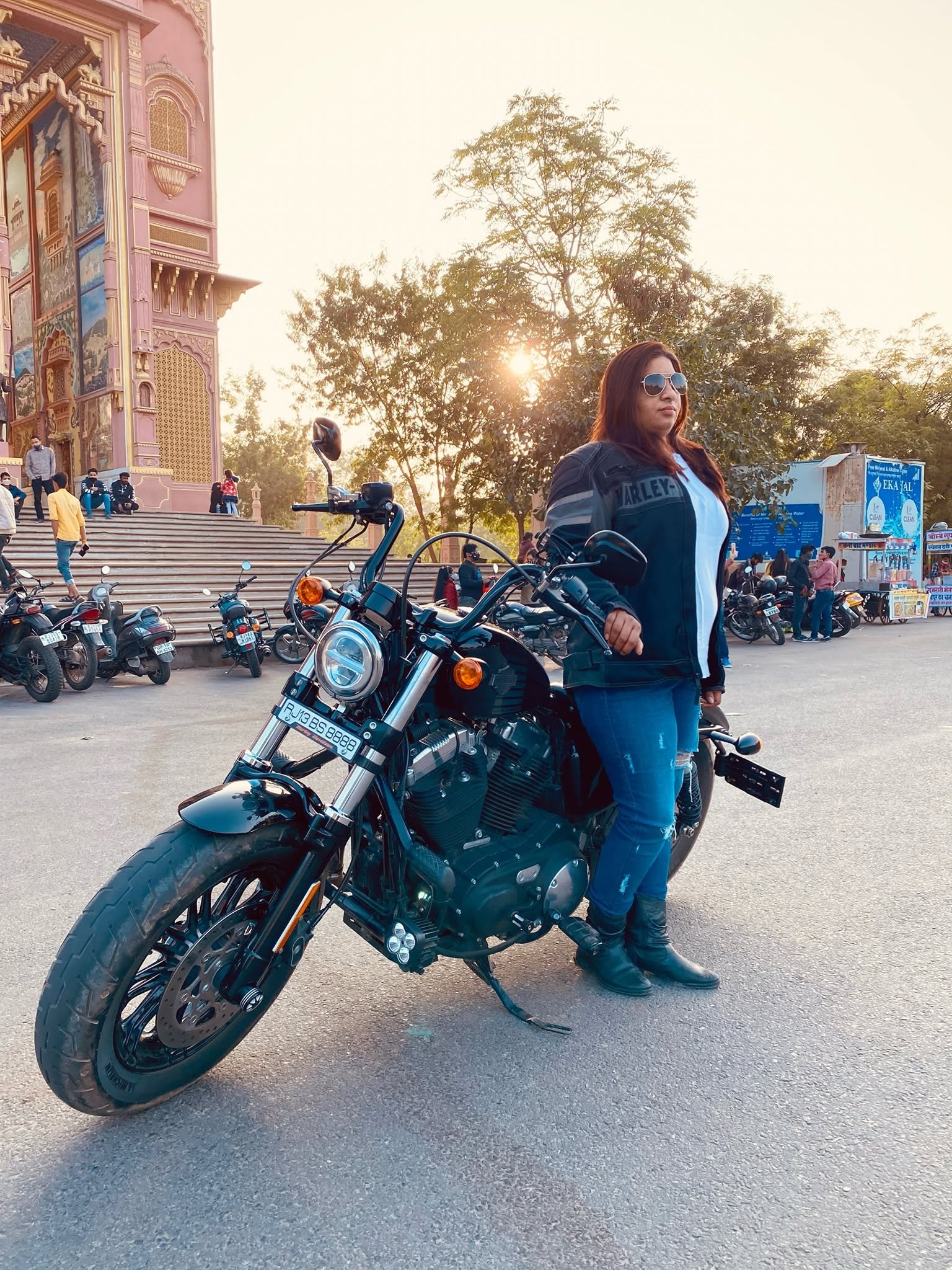
Handling a 220–350 kg motorcycle can feel intimidating—even for experienced riders. But for many women, especially across India where average height and strength profiles vary widely, the sheer visual mass of a large cruiser or adventure tourer can feel completely overwhelming.
The good news? Heavy motorcycles are not handled with raw physical strength. They are managed through technique, mechanical leverage, precise balance, and calm confidence.
This article guides you through the essential mindset shifts, simple daily practice routines, and real-world handling techniques rooted in physics. By the end, you will feel prepared, empowered, and mentally ready to pilot heavy machines with absolute control.
What Really Scares Women About Heavy Bikes
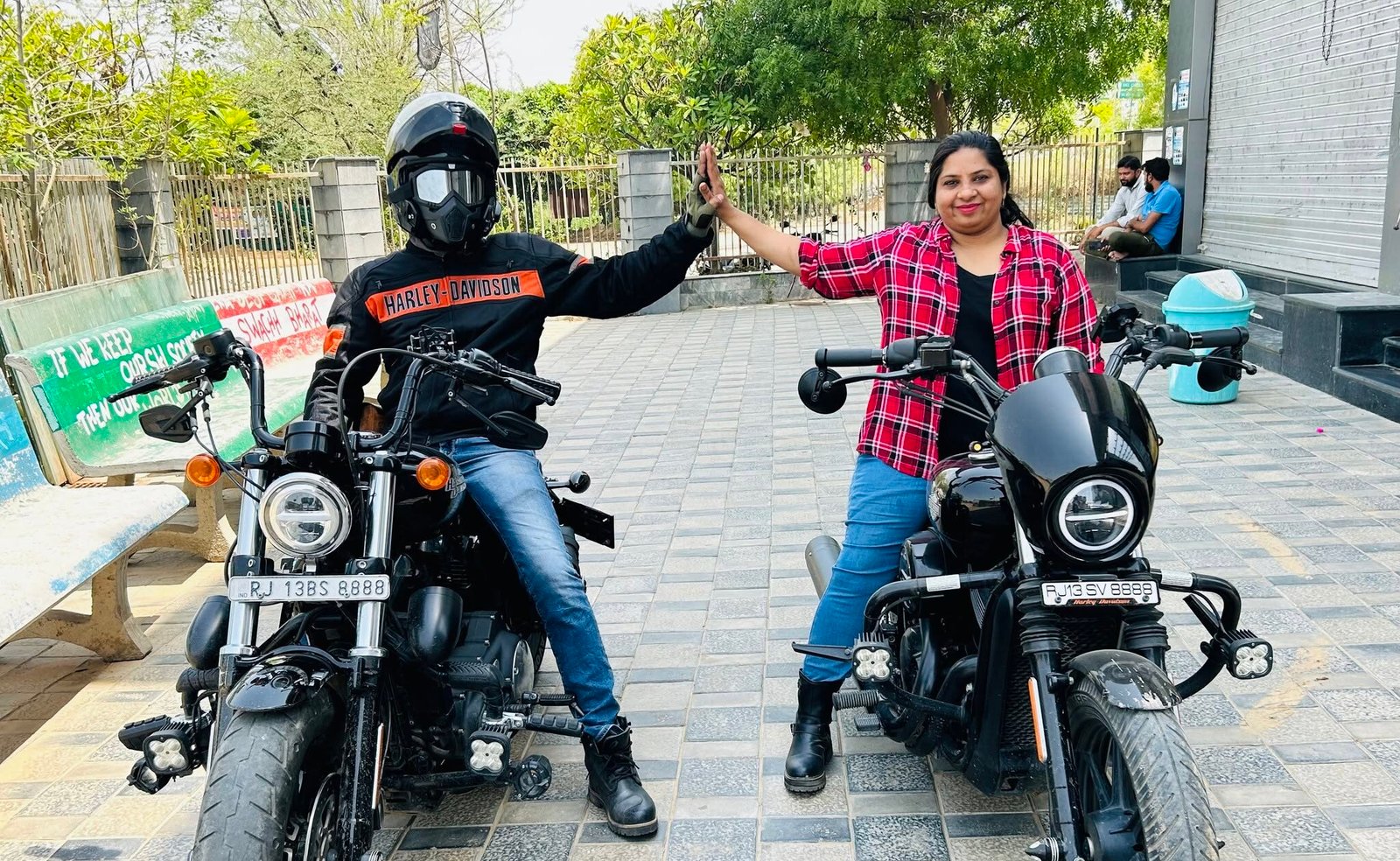
- Dropping the motorcycle: A natural fear, but dropping a bike is a normal rite of passage that happens to everyone—including professional track riders and certified trainers.
- Not being able to lift it back up: The thought of being stranded next to a fallen machine can freeze your mind, even though body-leverage techniques make lifting accessible to almost anyone.
- Losing balance at a standstill: Holding a heavy machine upright while stopped or crawling through tight spaces often feels far more stressful than riding at highway speeds.
- Getting stuck in bumper-to-bumper traffic: Crowded, unpredictable roads can amplify handling anxiety when managing a wider, heavier chassis.
- Not being "strong enough": A misconception fueled by traditional social conditioning. Muscle mass is helpful for pushing a bike around a garage, but completely unnecessary for actual on-road operation.
Mindset Shifts Every Woman Rider Needs
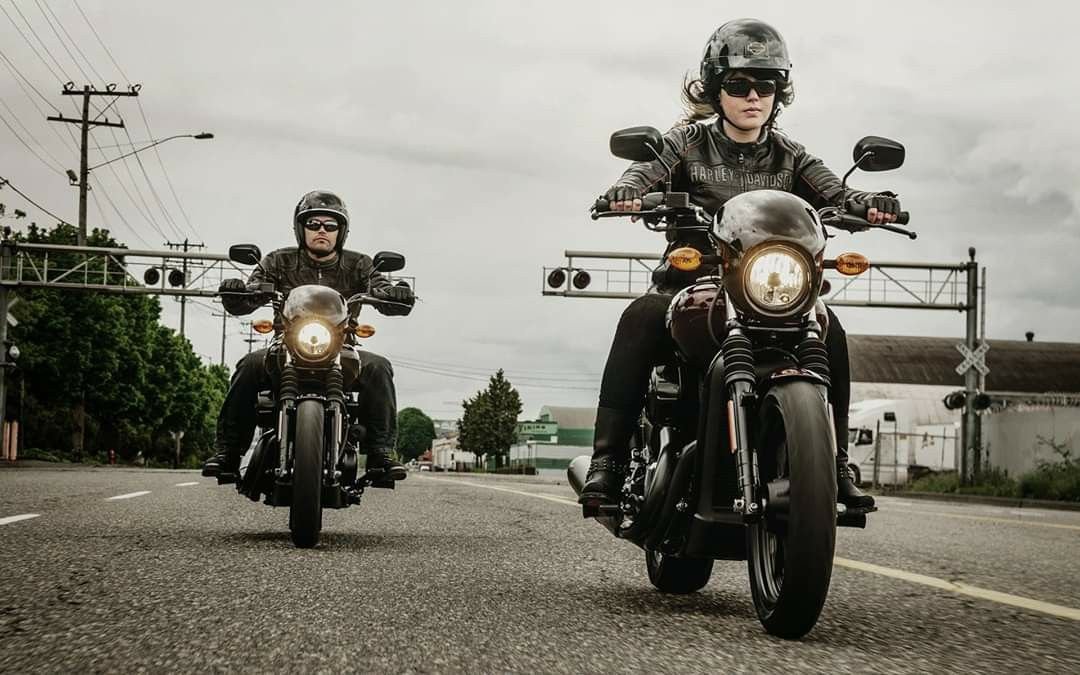
- Heavy does NOT mean unmanageable: Most heavy cruisers (like a Harley-Davidson or Royal Enfield Super Meteor) are engineered with a low center of gravity. This makes them incredibly stable, self-balancing, and highly predictable once they are upright.
- Strength is not the deciding factor: Masterful motorcycle handling relies entirely on balance, clean clutch-to-throttle technique, a calm mind, and deliberate practice.
- You don't need to be tall: Locking your thighs tightly against the fuel tank, subtle body counters, and strategic single-foot placement matter infinitely more than a long inseam.
- Confidence grows in layers: Think of your confidence like a physical muscle. Consistently executing small, low-stress practice reps leads to massive long-term results.
- The engine does the heavy lifting: You are not physically carrying the motorcycle. Your only job is to guide its balance and direction; the powertrain moves the mass for you.
The Physics Behind Heavy Bikes
- At zero speed: The motorcycle's weight requires absolute vertical balance.
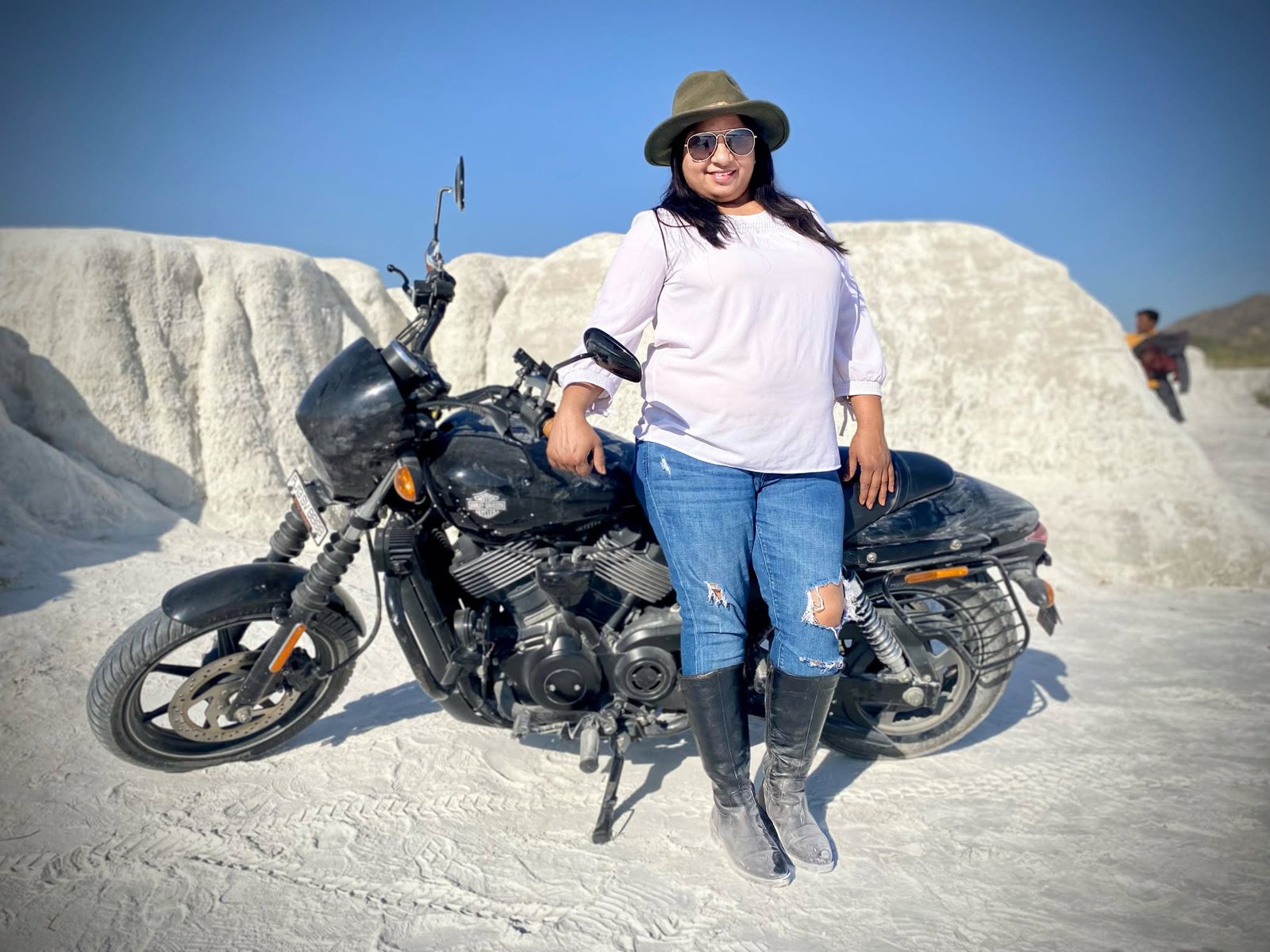
- At moving speed: The spinning wheels act as powerful gyroscopes, creating momentum that naturally forces the motorcycle to stay upright and stable.
- Lower center of gravity: Positions the bulk of the engine mass close to the tarmac, drastically reducing the tipping force when the bike leans slightly.
- Wider handlebars: Act as extended levers, allowing you to execute steering corrections with minimal arm effort.
💡 The Refrigerator Analogy: Think of a heavy machine like pushing a large, rolling appliance. Trying to lift or tilt it while standing still feels incredibly heavy. But once it is resting squarely on its wheels and rolling forward slowly, guiding its direction takes almost no effort at all.
Step-by-Step Routine to Build Your Confidence
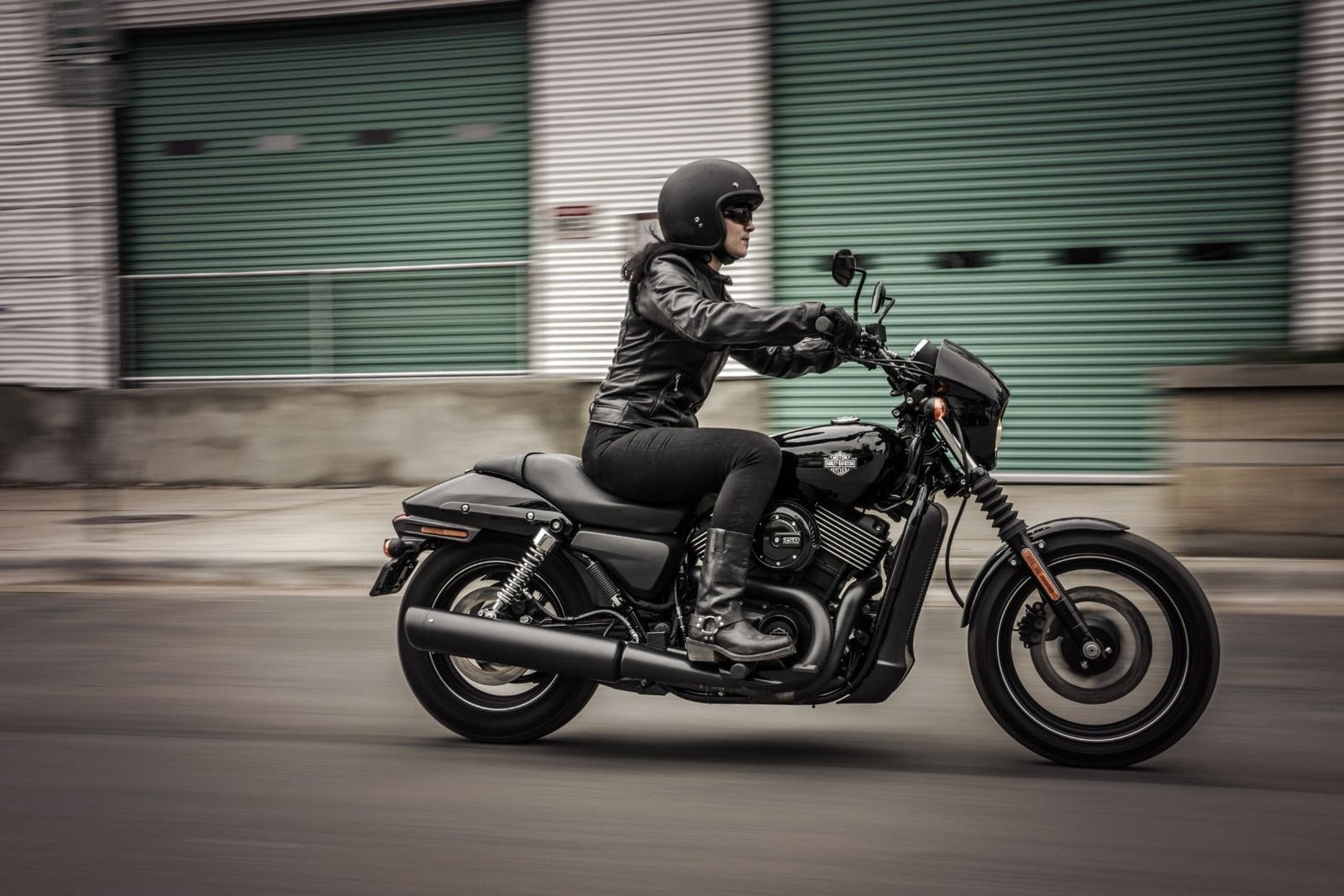
Step 1: Start With Mental Repetition
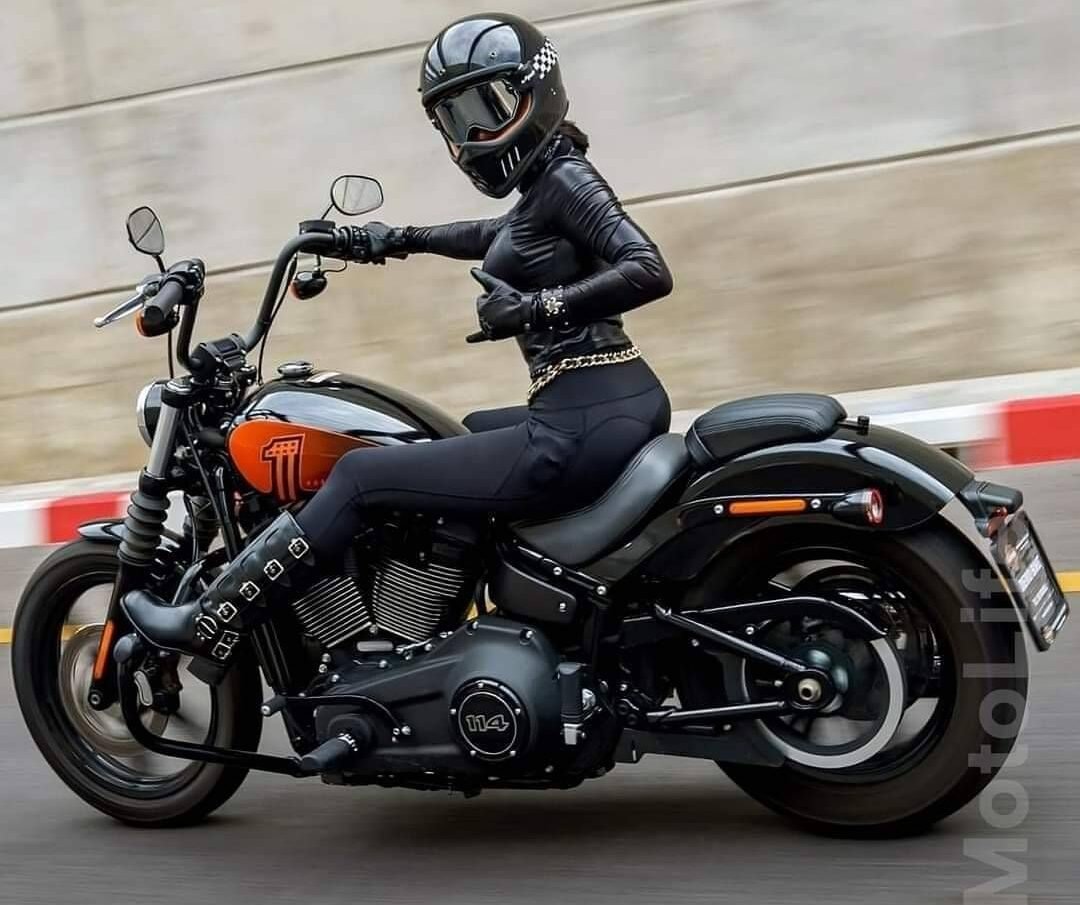
Spend two minutes visualizing your ride before stepping onto the tarmac. Picture yourself holding the bars smoothly, balancing perfectly at a stoplight, executing a controlled U-turn, and deploying the sidestand effortlessly. This builds neural familiarity and lowers initial performance anxiety.
Step 2: Stand Next to the Bike
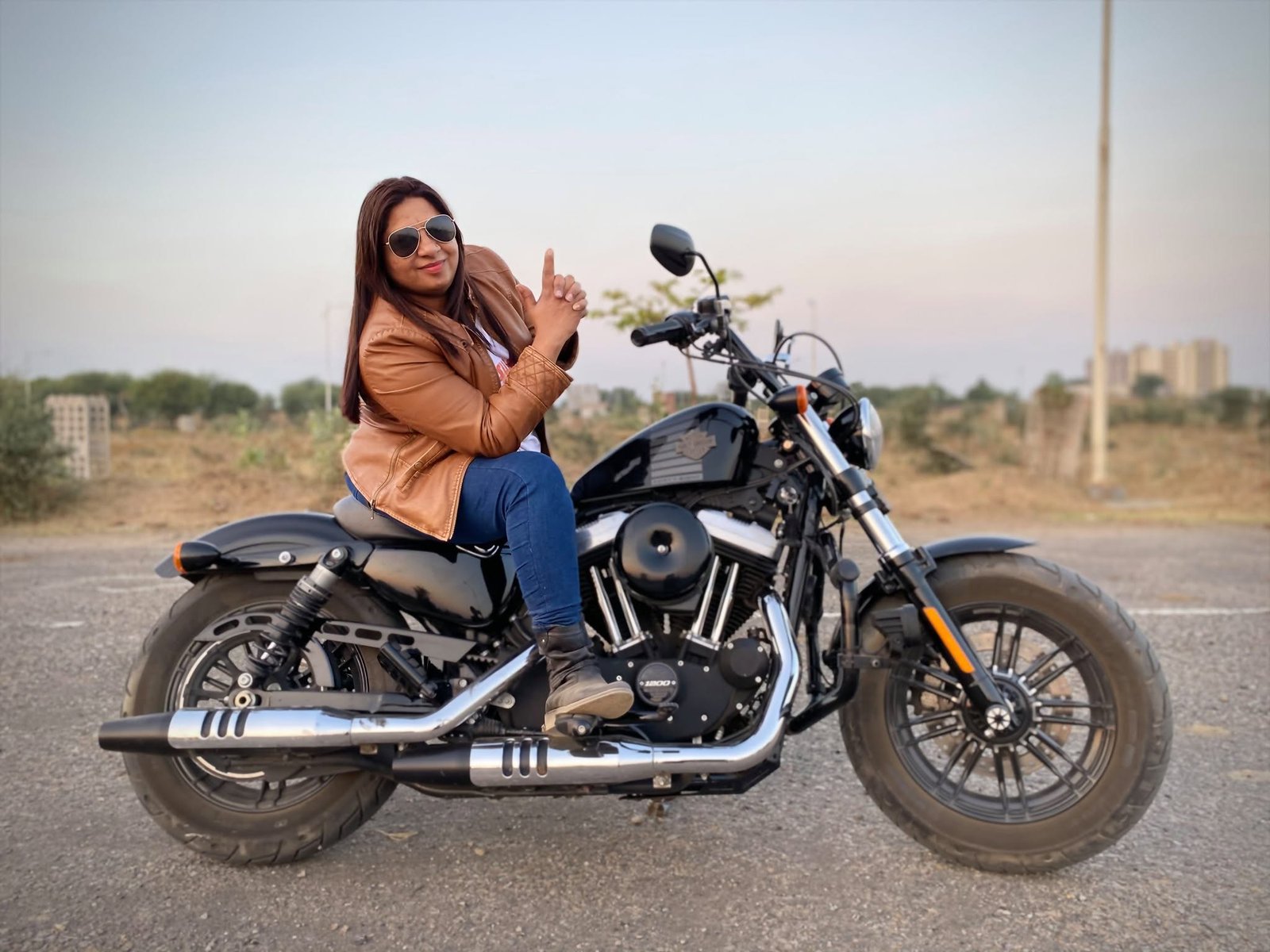
Step 3: Sit and Balance Without the Engine
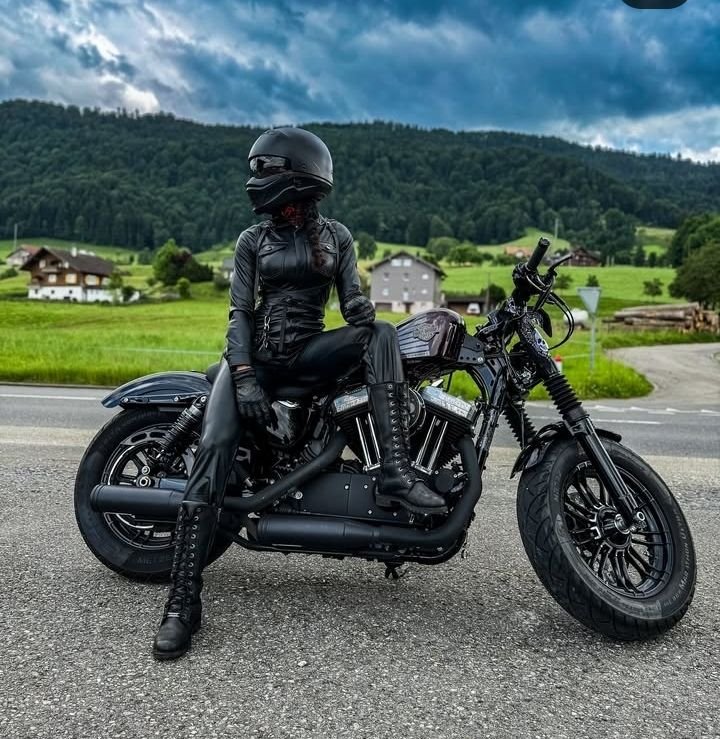
Step 4: Start the Engine and Walk It Slowly
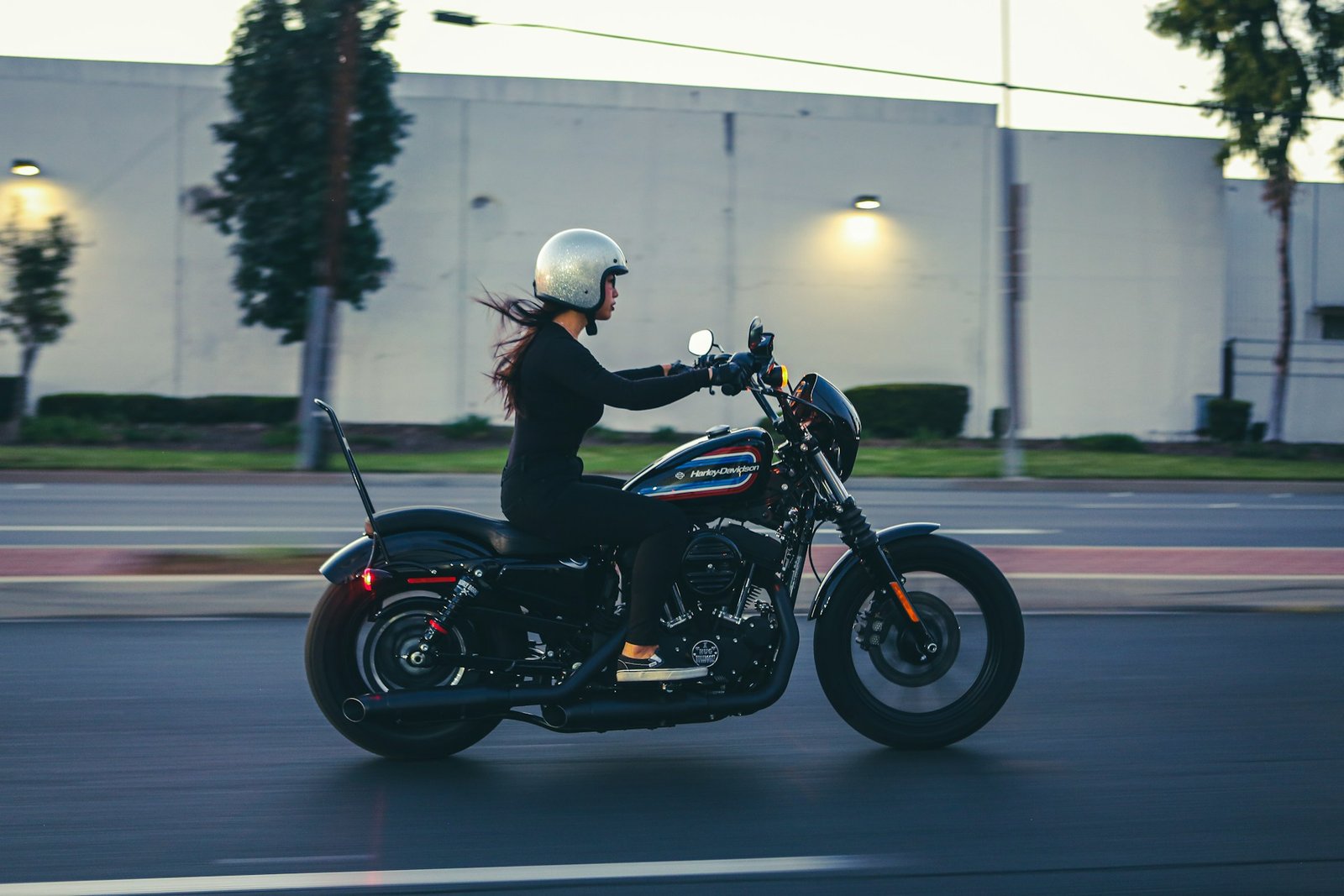
Step 5: Ride 10 Meters Straight
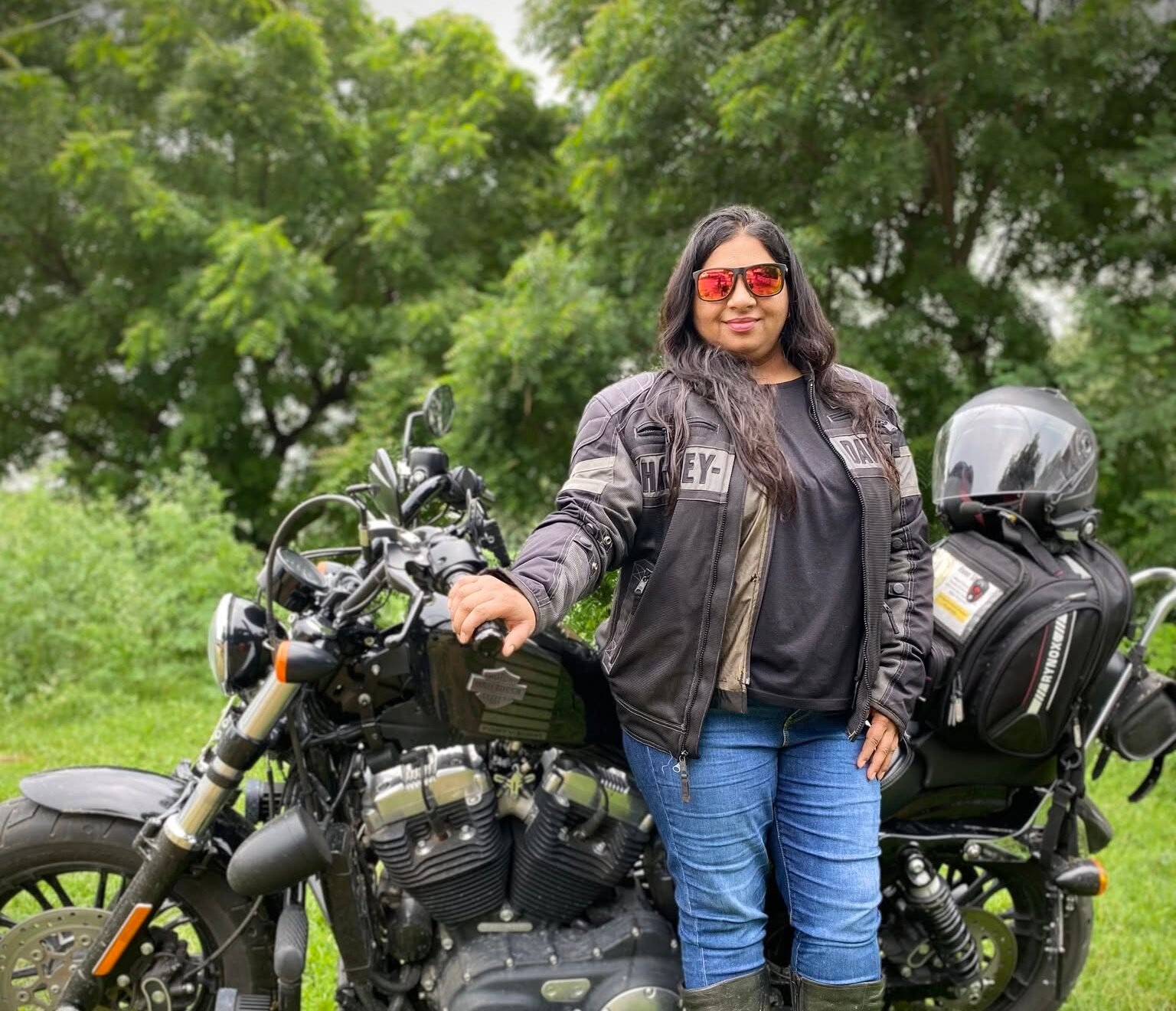
Step 6: Learn Controlled, Predictable Stops
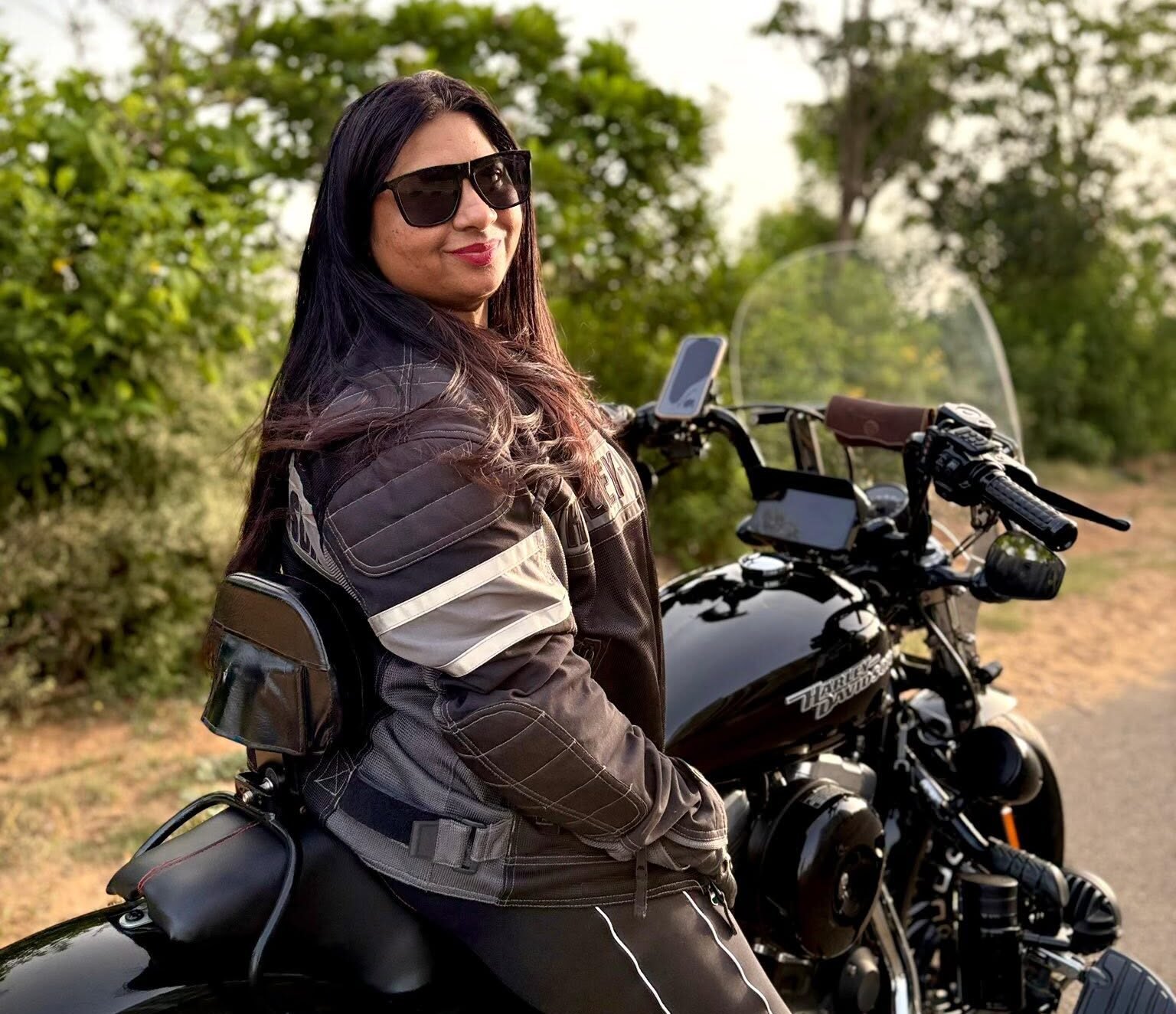
Step 7: Practice Safe Drops & Lifting
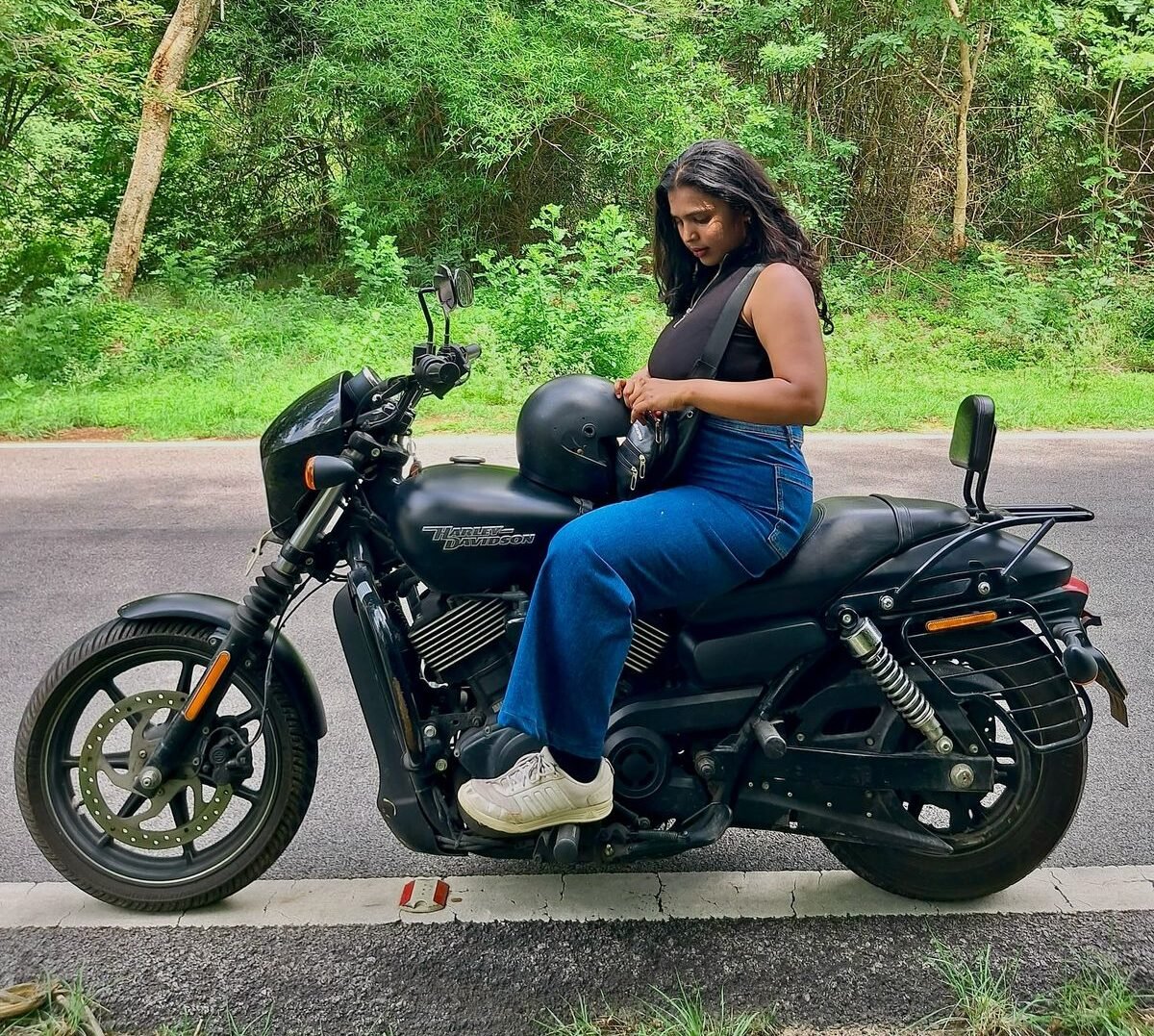
- Practice moving your legs away safely as it descends.
- Step up to the bike, turn your back to the seat, squat deeply, grip the frame/handlebar lower down, and drive upward using your leg and glute strength while walking backward.
10 Beginner-Friendly Practice Drills
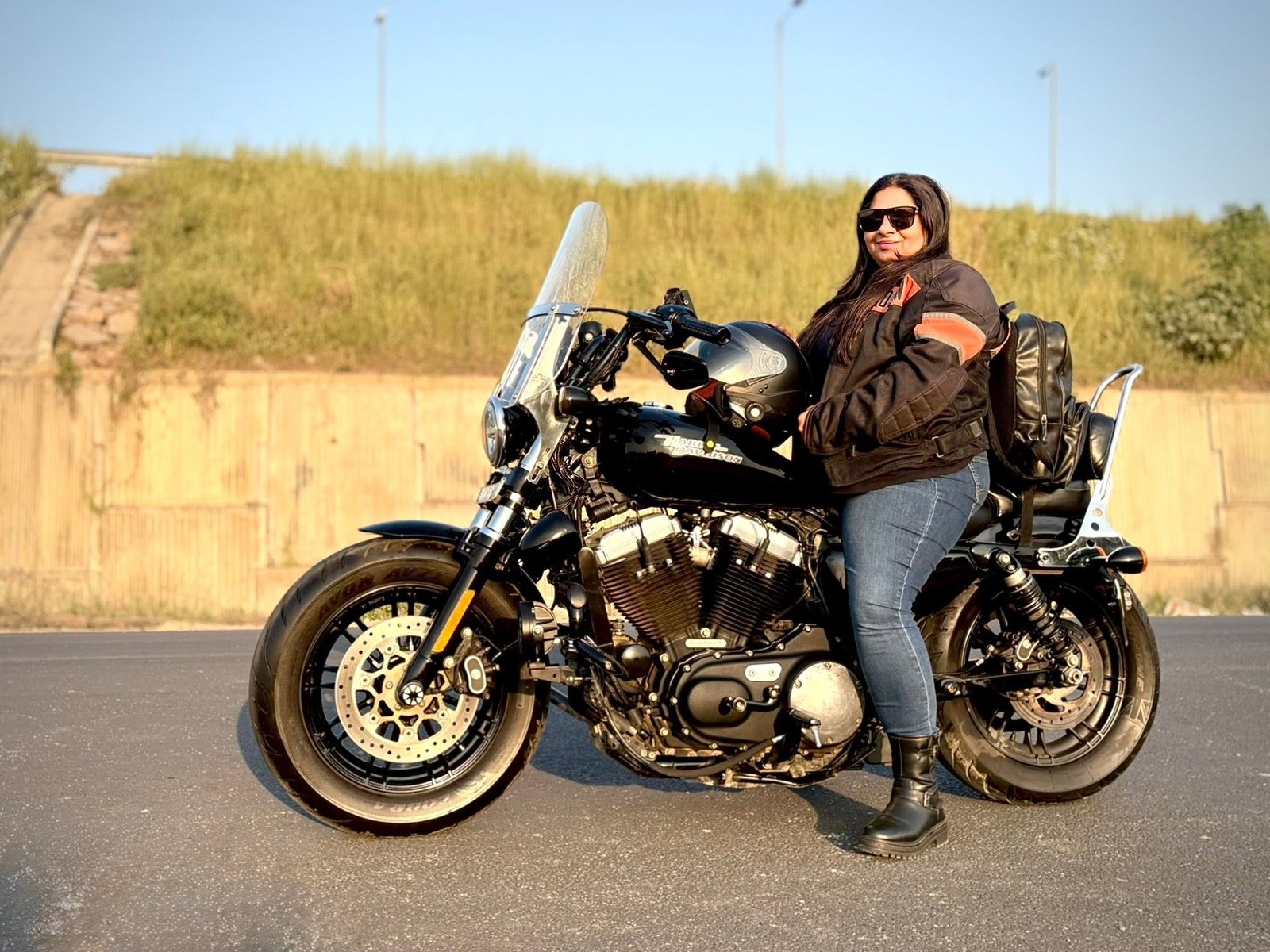
- Side-to-Side Rocking: Acclimatizes your inner ear to the tipping boundaries of heavy frames.
- Friction Zone Crawls: Teaches you to modulate the clutch precisely to maintain constant, stable forward pressure without stalling.
- Seated Scooter-Walking: Simulates creeping forward through dense bumper-to-bumper traffic layout patterns safely.
- Chalk-Circle U-Turns: Draws a wide circle on the ground; practice tracking it while leaning your body slightly outward to counterbalance the machine's mass.
- Rear Brake Feathering: Dragging or "feathering" the rear brake pedal while keeping the clutch in the friction zone acts like an anchor, stabilizing the chassis at ultra-low speeds.
- The One-Foot Stop: Train yourself to consistently drop only your left foot at stops, keeping your right foot securely on the rear brake pedal to keep the bike from rolling.
- The Figure-8 Routine: Sharpens smooth side-to-side transitions and neutralizes handling hesitation.
- Slow-Speed Slalom: Set up soft cones or plastic bottles 2 to 3 meters apart; weave smoothly between them using subtle hip inputs rather than pulling hard on the handlebars.
- Progressive Emergency Braking: Safely builds muscle memory for maximum stopping power without locking up the wheels or upsetting the chassis balance.
- The Leveraged Lift: Regular mechanical execution drills to make righting a downed bike second nature.
Real-Life Scenarios & How to Handle Them
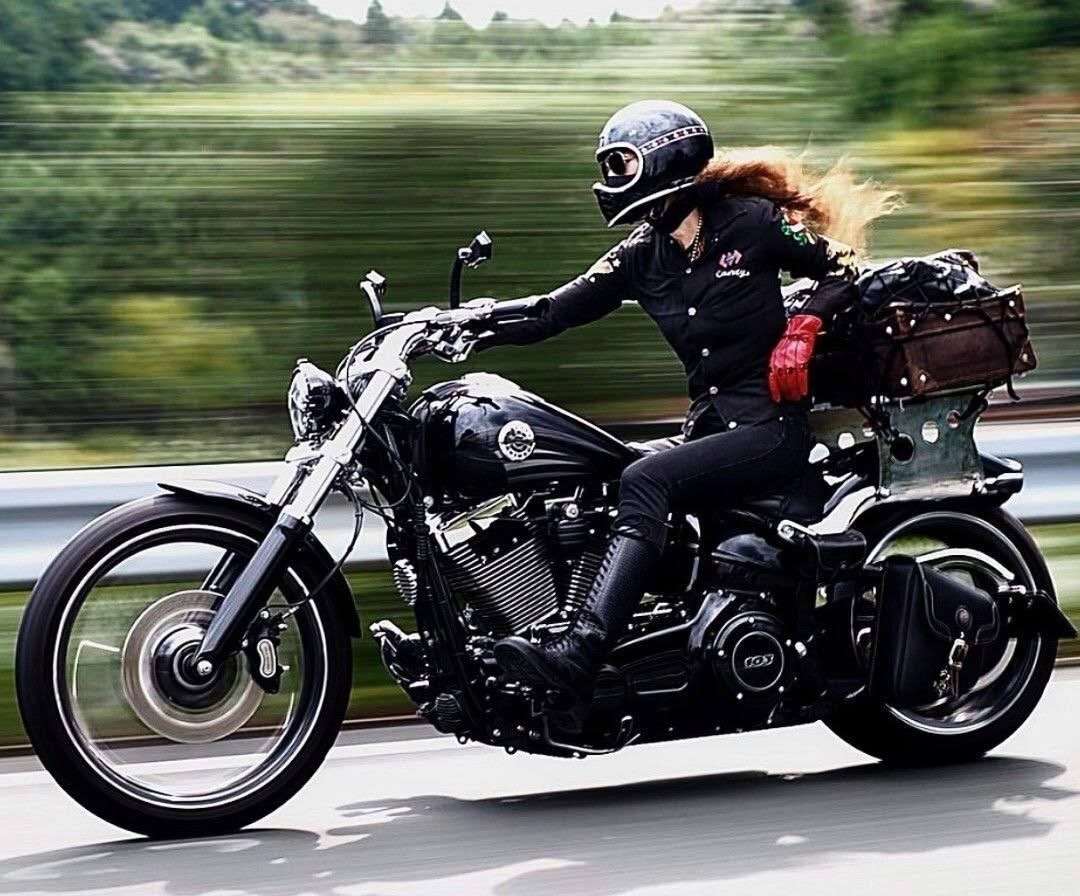
Scenario 1: The Bike Feels Overwhelmingly Heavy on a Slope
Always hold the motorcycle in place using your rear foot brake rather than the front hand brake—this prevents the front forks from compressing and diving, which can upset your balance. Point your front wheel slightly uphill, keep the transmission in first gear, and use the clutch friction zone to pull away smoothly without rolling backward.
Scenario 2: Navigating Bumper-to-Bumper Urban Traffic
Scenario 3: Parking Safely on Uneven or Angled Roads
Scenario 4: The Motorcycle Starts Leaning Too Far at a Standstill
Weight-Class Dynamics: Light vs. Heavy Platforms
| Feature Dynamics | Lightweight Platforms (150–200 kg) |
Heavy Cruiser / Tourer Platforms (220–350 kg) |
|---|---|---|
| Highway Track Stability | Moderate; susceptible to crosswind drafts | ⭐ Very High; plants firmly to the blacktop |
| Long-Distance Open Road Comfort | Low to Moderate; higher engine strain buzz | ⭐ Excellent; plush suspension and relaxed RPMs |
| Low-Speed Maneuvering Effort | ⭐ Low; forgiving of sloppy body posture | Moderate; demands precise control inputs |
| Chassis Vibration Isolation | Moderate to High; lighter frames buzz | ⭐ Very Low; heavy dampening provides a premium ride |
Do’s & Don’ts for Managing Heavy Motorcycles
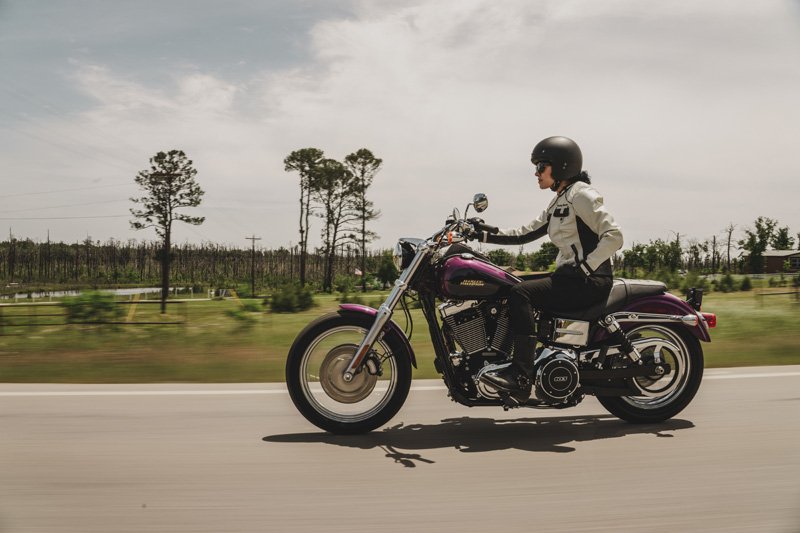
Do's
- Drop your shoulders: Keep your upper body completely relaxed; stiff arms transfer unwanted chassis movements and reduce steering leverage.
- Look where you want to go: Your bike naturally follows your eyes. Look out toward the horizon or the exit of a turn, never down at the ground or obstacles directly in front of your tire.
- Rely on your lower body: Grip the tank firmly with your knees and thighs to anchor yourself to the frame, leaving your hands free for delicate control inputs.
Don'ts
- Don't fight gravity: If a 300 kg motorcycle tips past the point of no return during a stationary drop, step away cleanly. Trying to hold it up with your arms is an easy way to strain a muscle.
- Don't grab the front brake mid-turn: Squeezing the front brake lever aggressively while the handlebars are turned stands the bike up abruptly and can cause an instant low-speed tip-over. Use the rear brake for slow-speed mid-turn corrections.
- Don't look at the tank: Staring down at a massive fuel tank amplifies the illusion of weight. Keep your head up to let your natural sense of balance take over.
Expert Perspective
“A 300 kg motorcycle doesn’t require physical strength. It requires patience, calmness, and a clear understanding of how the machine wants to move. Once you master leverage and balance, the weight of the bike completely disappears.”
Meera Singh
Certified Motorcycle Coach & Long-Distance Touring Expert
FAQ
How can a woman safely handle a 300 kg motorcycle?
Do women need specialized gym training to ride heavy bikes?
How long does it take to get fully comfortable with a heavy motorcycle?
Can a 5-foot-tall woman handle a heavy cruiser safely?
Why do heavy bikes feel so much lighter once they start moving?
Does dropping the bike during practice ruin your riding confidence?
Pre-Practice Safety Checklist
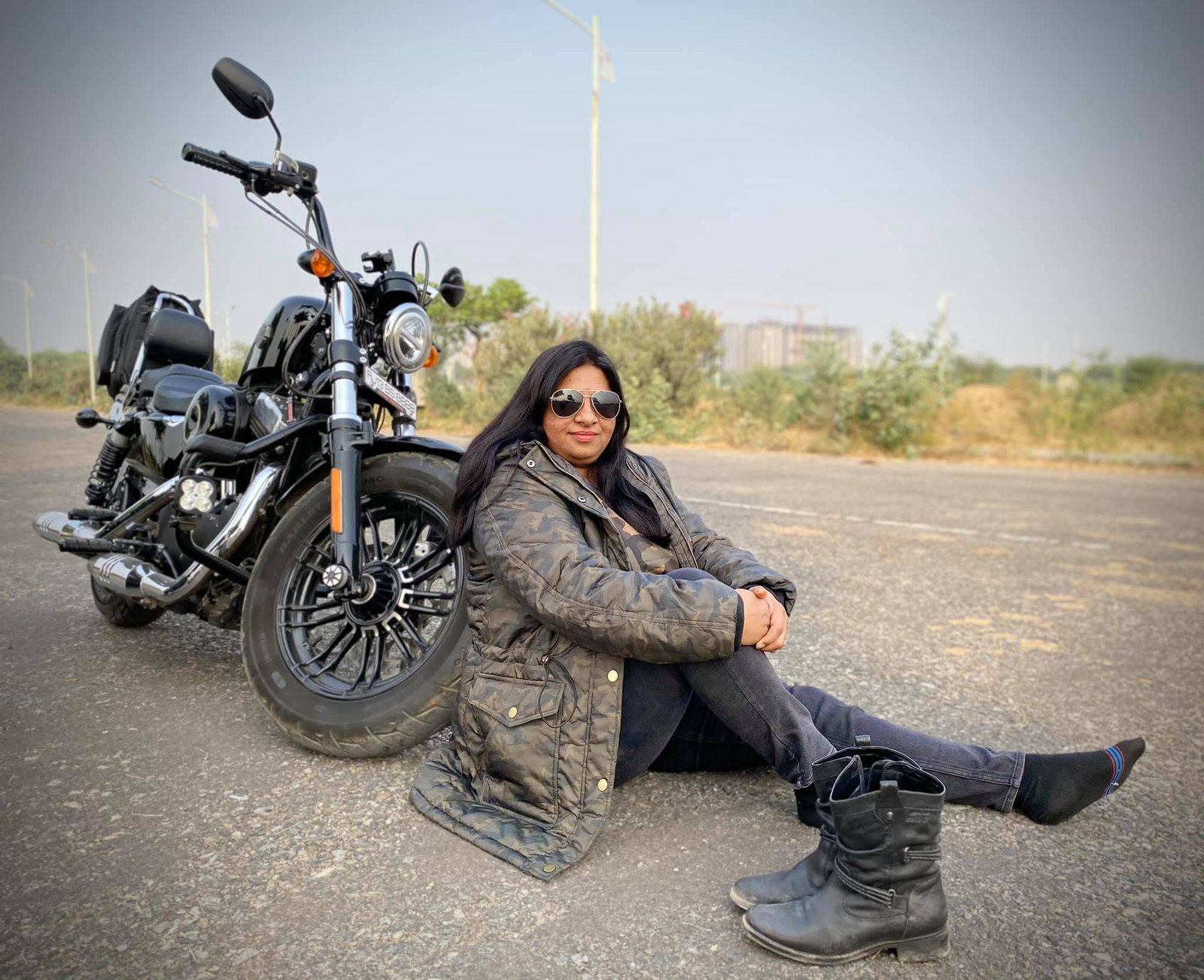
- Full Protection: Armored riding jacket, certified full-face helmet, sturdy gloves, and ankle-protecting boots.
- Tire Check: Ensure your tire pressures match factory specifications; under-inflated tires make heavy bikes feel sluggish and heavy to steer.
- Ergonomics: Adjust your clutch and front brake levers so they sit comfortably within reach of your fingers.
- Location: Find an entirely flat, clean, and dry empty parking lot free of loose gravel, sand, or traffic.
- Hydration & Support: Stay hydrated, and ideally practice with a riding partner nearby to help spot you or assist with the machine during lifting drills.
Conclusion