Introduction: Why Big Bikes Feel Scary (and Why You Can Absolutely Ride Them)
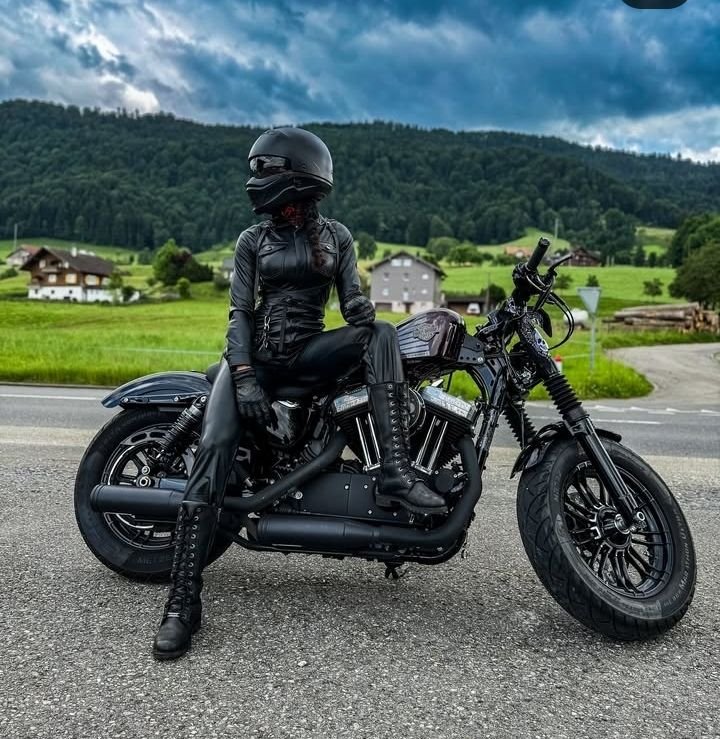
Let’s be completely honest: standing next to a big motorcycle—with its heavy engine, roaring exhaust, and broad fuel tank—can feel deeply intimidating. This is especially true if you’ve grown up around the outdated social conditioning that large motorcycles are “not for women.”
But here is the real truth: women around the world are riding 300cc, 600cc, and even 1200cc motorcycles with absolute confidence. They do this not because they possess extraordinary physical strength, but because they are well-trained, properly prepared, and mentally ready.
This guide will take you step-by-step through overcoming your initial hesitation so you can start riding large motorcycles safely, confidently, and joyfully.
What’s Really Holding You Back?
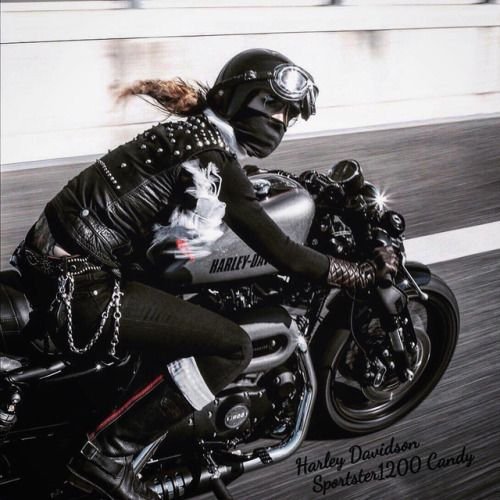
Recognizing what causes your hesitation is the first step toward conquering it. For most women riders, the psychological hurdles usually come down to a few core factors:
- Fear of losing balance: Worrying about dropping the machine due to its heavy curb weight.
- Fear of speed and crisp throttle response: Big engines vibrate intensely, sound deep, and react quickly to minor inputs.
- Fear of getting hurt: A completely natural, valid caution that keeps safety top of mind.
The True Benefits of Moving to a Big Bike
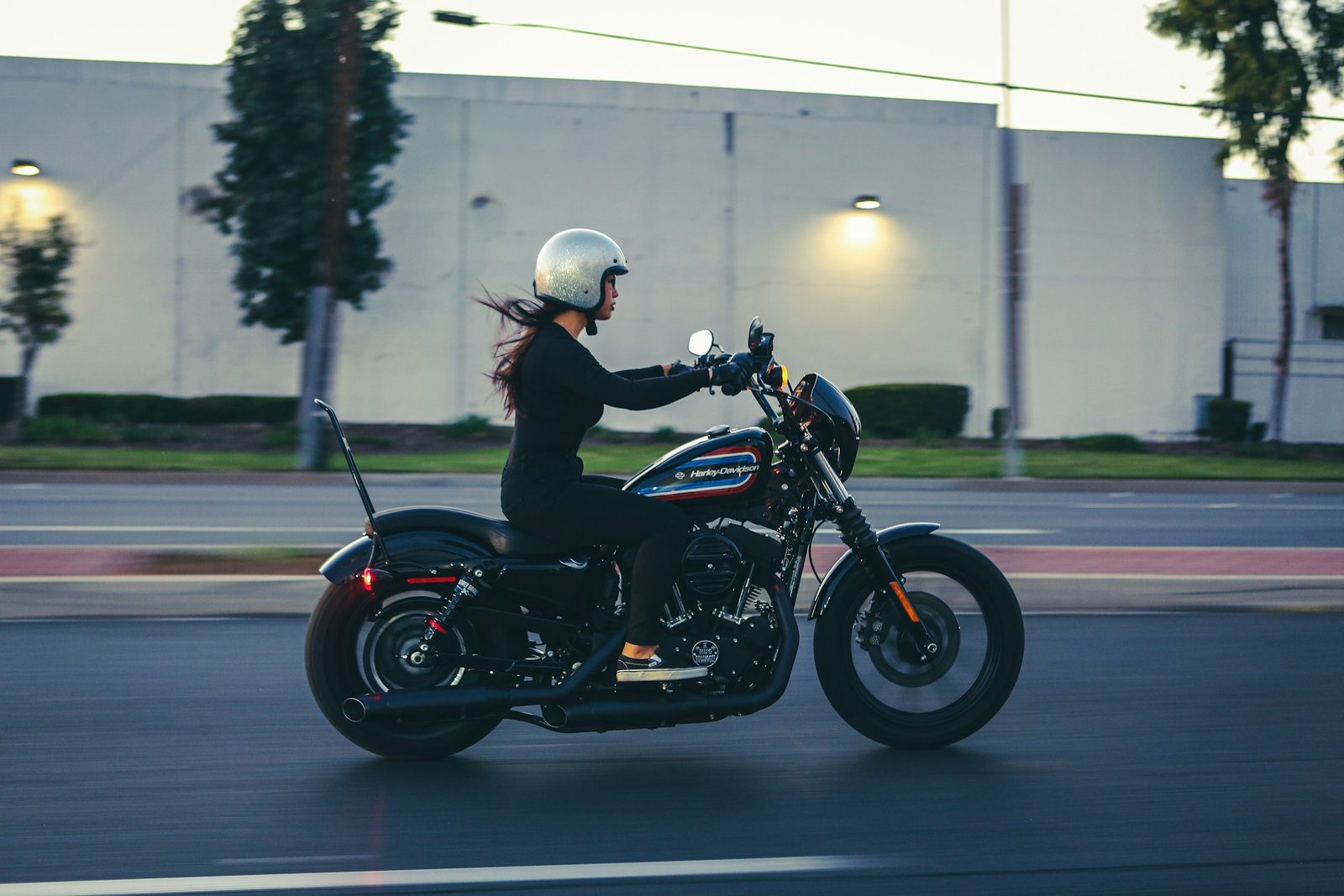
Physical & Mental Growth
The physical coordination required improves your balance, sharpens your reflexes, and builds core muscle stability. Mentally, mastering a heavy machine provides an incredible boost in personal confidence, acting as a powerful stress reliever and fostering a deep sense of independence and capability.
Lifestyle & Adventure
Stepping up to a larger engine unlocks effortless highway travel and long-distance touring. It welcomes you into an inclusive global biking community, allowing you to create unforgettable road trip memories.
Common Myths vs. Realities
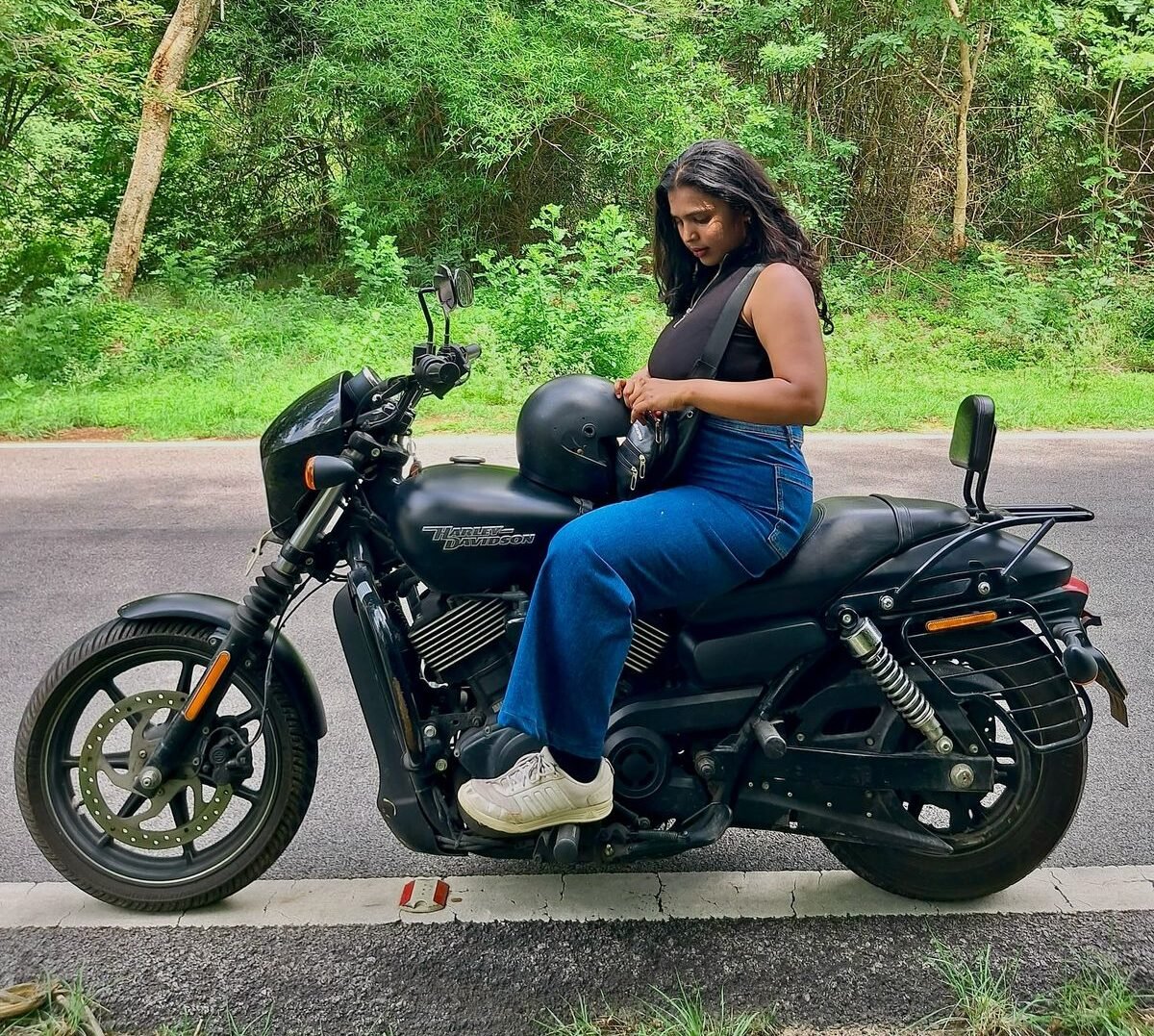
- Myth: Women don't have enough physical strength for big bikes.
- Reality: Handling a motorcycle is 90% proper technique and only 10% physical effort. Once the bike is balanced and rolling, it holds its own weight.
- Myth: Short women cannot ride large motorcycles.
- Reality: Proper riding posture, moving your seat slightly to one side at stops, and utilizing custom lowered seats or suspension modifications easily solve height challenges.
- Myth: Heavy bikes are impossible to control.
- Reality: Heavier, premium bikes often feature a lower center of gravity and wider tires, making them significantly more stable at highway speeds than lightweight commuter bikes.
Do’s & Don’ts for Beginning Your Journey
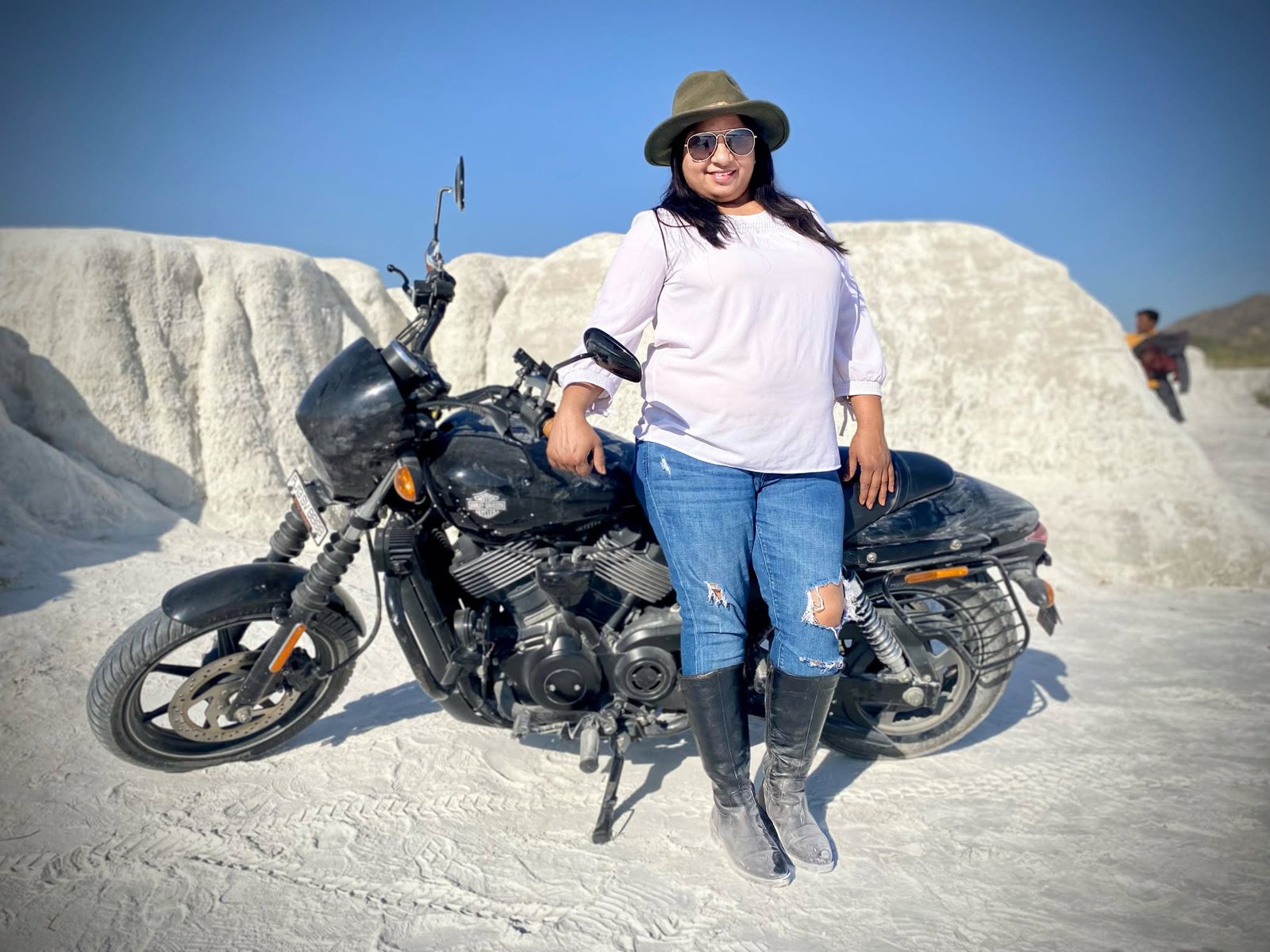
Do's
- Wear full safety gear: Treat protective equipment as non-negotiable on every single ride.
- Start in an empty, open space: Use an empty ground or vacant parking lot away from traffic.
- Learn from a certified professional: Invest in structured coaching to build clean habits early.
- Master the friction zone: Spend ample time practicing balance and low-speed clutch control.
- Keep your upper body relaxed: Intentionally drop and relax your shoulders to maintain smooth steering leverage.
Don'ts
- Don't jump to top-tier weights instantly: Avoid stepping onto an open-class cruiser or heavy adventure bike on day one.
- Don't let others rush you: Progress completely at your own pace; ignore pressure from friends or traffic.
- Don't fear dropping the bike: Engine guards and frame sliders exist for this exact reason. Even professional riders drop their bikes occasionally during slow-speed practice.
- Don't practice on public roads initially:Avoid urban traffic until your muscle memory handles basic controls flawlessly.
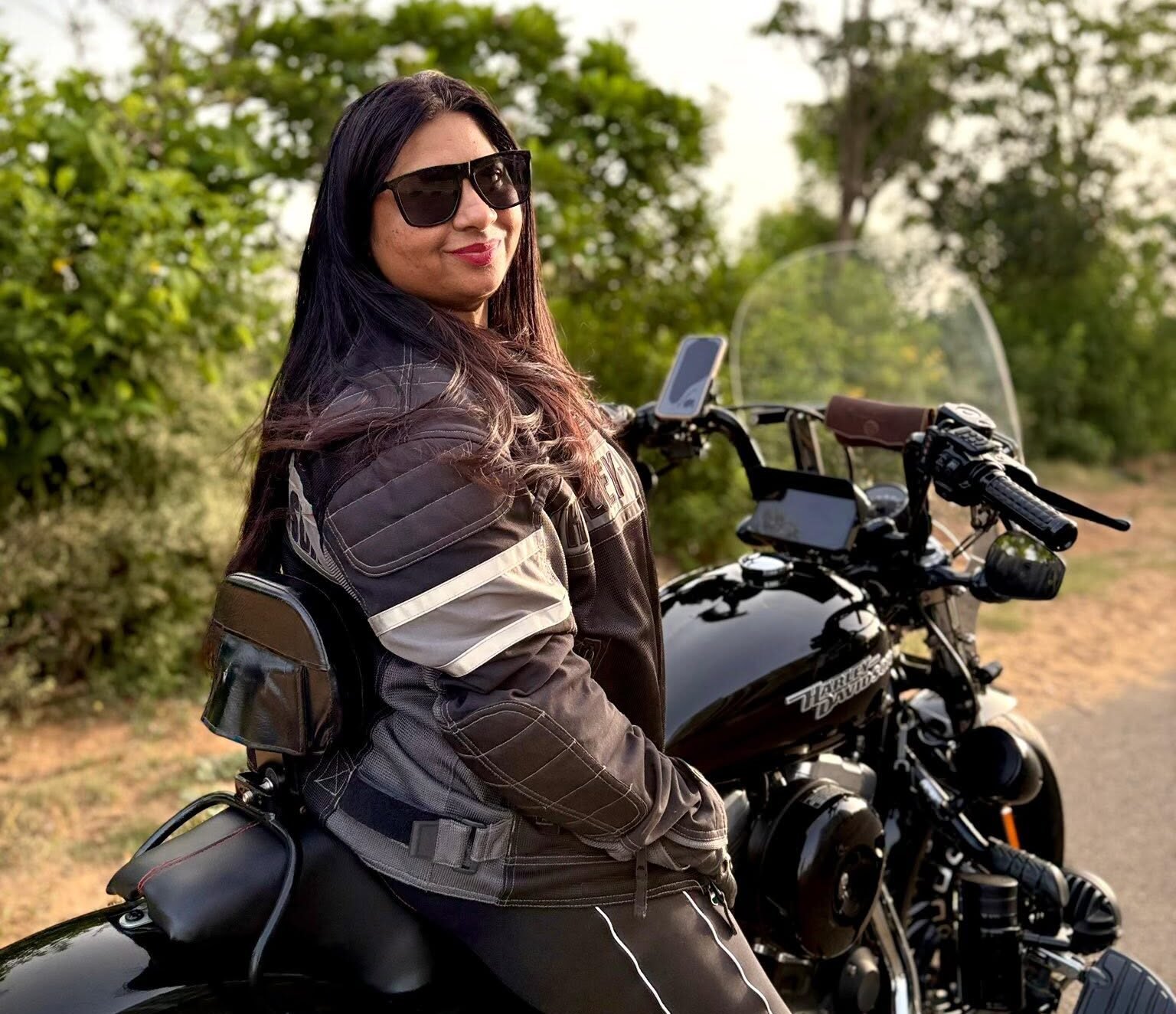
Upper-Body Strength Exercises
| Step | Training Phase | Focus | Description |
|---|---|---|---|
| 01 | Get Comfortable Engine OFF |
Familiarization | Locate all controls and learn hand & foot positions without looking down. |
| 02 | Dry Run Gear Shifting Engine OFF |
Coordination | Practice clutch and gear changes repeatedly before riding. |
| 03 | Walk the Motorcycle Engine OFF |
Balance | Push the bike forward and backward to understand weight and balance. |
| 04 | Ignition & Sound Neutral |
Confidence | Start the engine and get comfortable with vibration and sound. |
| 05 | Master Clutch Release Friction Zone |
Core Skill | Practice finding the friction zone without using throttle. |
| 06 | First Gear Riding Low Speed |
Maneuvers | Straight lines, circles, and figure-8s with smooth control. |
| 07 | Second Gear Smooth Riding |
Stability | Learn smooth upshifts and controlled clutch release. |
| 08 | Braking Practice Safety |
Stopping | Use front and rear brakes progressively while staying straight. |
| 09 | Handling Drills Skill Building |
Control | Practice U-turns, tighter turns, and hill starts. |
| 10 | First Road Rides Real World |
Traffic | Ride during quiet hours and gradually increase distance. |
Gear & Safety Checklist for New Riders
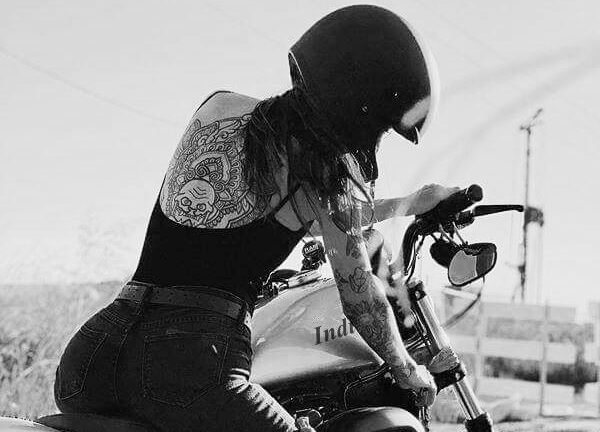
Investing in specialized gear ensures that a simple tip-over during practice results in a minor pause rather than an injury.
- Helmet: A certified full-face helmet meeting current safety standards (ISI, DOT, or ECE certification).
- Riding Jacket: Equipped with integrated CE-approved armor protecting your elbows, shoulders, and spine.
- Gloves: Full-finger leather or heavy textile construction featuring specialized palm sliders and knuckle armor.
- Boots: Sturdy, over-the-ankle riding boots with oil-resistant, non-slip soles to ensure solid footing.
- Knee Guards: High-impact resistant protectors to safe-keep your shins and knees during low-speed practice drops.
Large Engine Riding
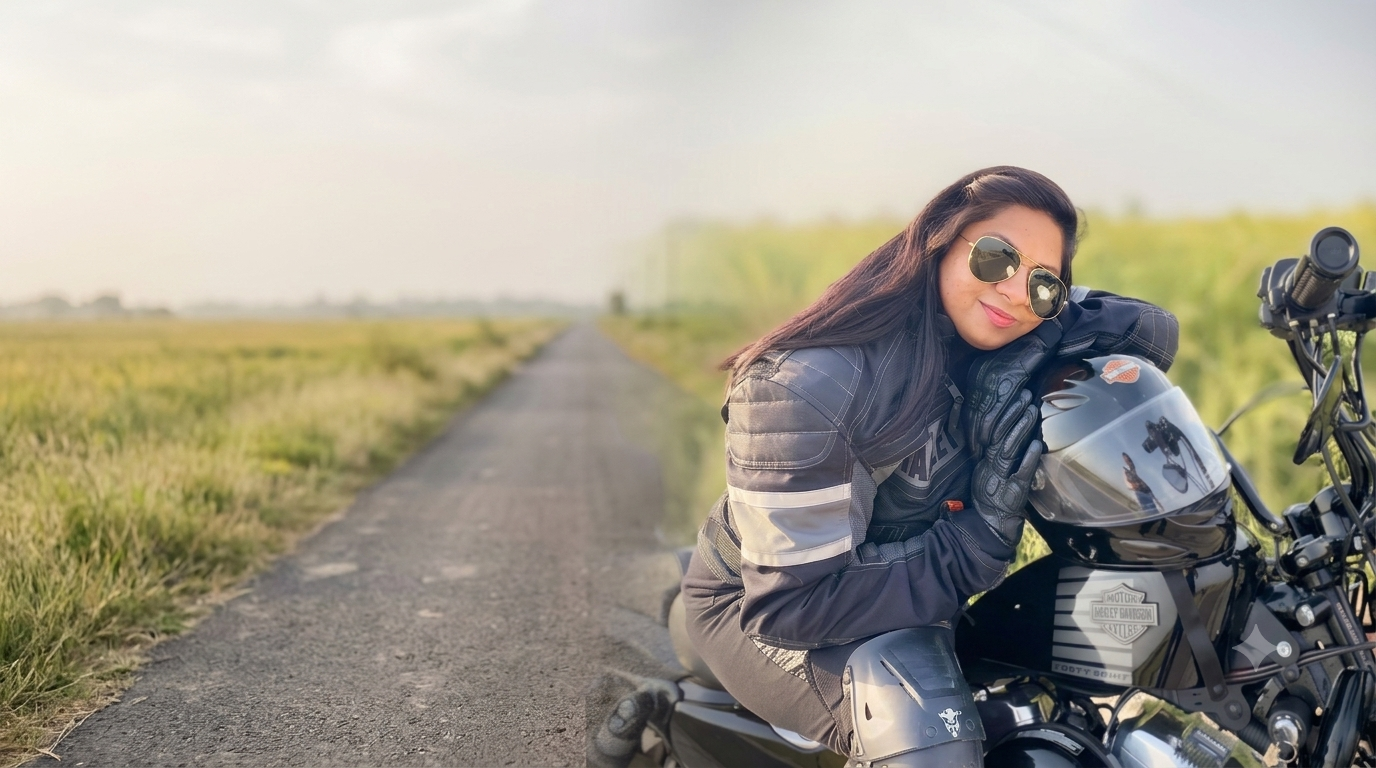
Pros
- Superb Highway Stability: Heavier weights hold their line wonderfully against crosswinds and semi-truck drafts.
- Refined Mechanical Engineering: Premium platforms feature smoother power bands, adjustable riding modes (like Rain mode for softer throttle responses), and superior ABS braking components.
- Long-Distance Comfort: Designed ergonomically to let you travel for hours without physical fatigue.
Cons
- Initial Heavy Handling: Moving or parking the machine at a complete stop requires deliberate care early on.
- Maintenance & Gear Commitments: Requires high-quality, dedicated safety gear and higher overall servicing costs compared to small commuter options.
FAQ
How can women overcome the fear of riding big motorcycles?
Break the learning curve down into small, digestible milestones. Start with the engine off, master the clutch friction zone in an empty lot, and avoid moving into traffic until your basic physical controls feel entirely automatic.
Can short women ride big bikes?
Absolutely. Many experienced petite female riders handle tall adventure bikes or heavy cruisers with ease. You can adjust the bike with reduced-reach seats, lowering links, or adopt the “one-foot-down” technique at stoplights to confidently balance the machine.
Is a 350cc bike too heavy for a beginner?
Not at all. Modern 350cc motorcycles (such as classic single-cylinder cruisers) feature highly predictable, friendly power delivery. While they feel visually substantial, their lower seat heights make them exceptionally manageable platforms for starting out.
How long does it take to become a confident rider?
With dedicated practice of 20 to 30 minutes daily, most riders develop solid foundational confidence within 4 to 6 weeks. Remember that building true on-road intuition is a personal journey—never compare your timeline to anyone else’s.
Which motorcycle is best for women beginners?
Look for options featuring a low seat height (under 30 inches), a narrow chassis width, and smooth throttle response. Light-to-middleweight modern cruisers or small-displacement retro motorcycles are fantastic entry points.
Do women need extra physical strength to handle big bikes?
No. Once a motorcycle is moving faster than walking pace, gyroscopic forces naturally keep it upright. Managing a bike on the road is about leveraging your body weight, hugging the fuel tank firmly with your thighs, and practicing smooth clutch-to-throttle coordination.
What’s the safest motorcycle gear for women?
The safest gear consists of an ECE-certified full-face helmet, an armored riding jacket designed specifically for a woman’s torso shape, reinforced riding gloves, and sturdy ankle-protecting boots.
Are big bikes dangerous for women riders?
A motorcycle responds precisely to the inputs you give it, regardless of gender. When paired with proper training, high-quality defensive riding habits, and solid protective gear, operating a large motorcycle is an entirely safe, calculated activity.
What is the biggest challenge for women learning to ride?
The initial hurdle is almost always psychological—overcoming internal performance anxiety and tuning out unsupportive outside opinions. Once you build muscle memory in an open practice field, the physical challenges disappear quickly.
Should beginners practice on public roads?
Never jump straight into active traffic. Spend your first few sessions entirely inside enclosed, vacant environments until your starts, stops, gear shifts, and tight turns are smooth and second nature.
Conclusion
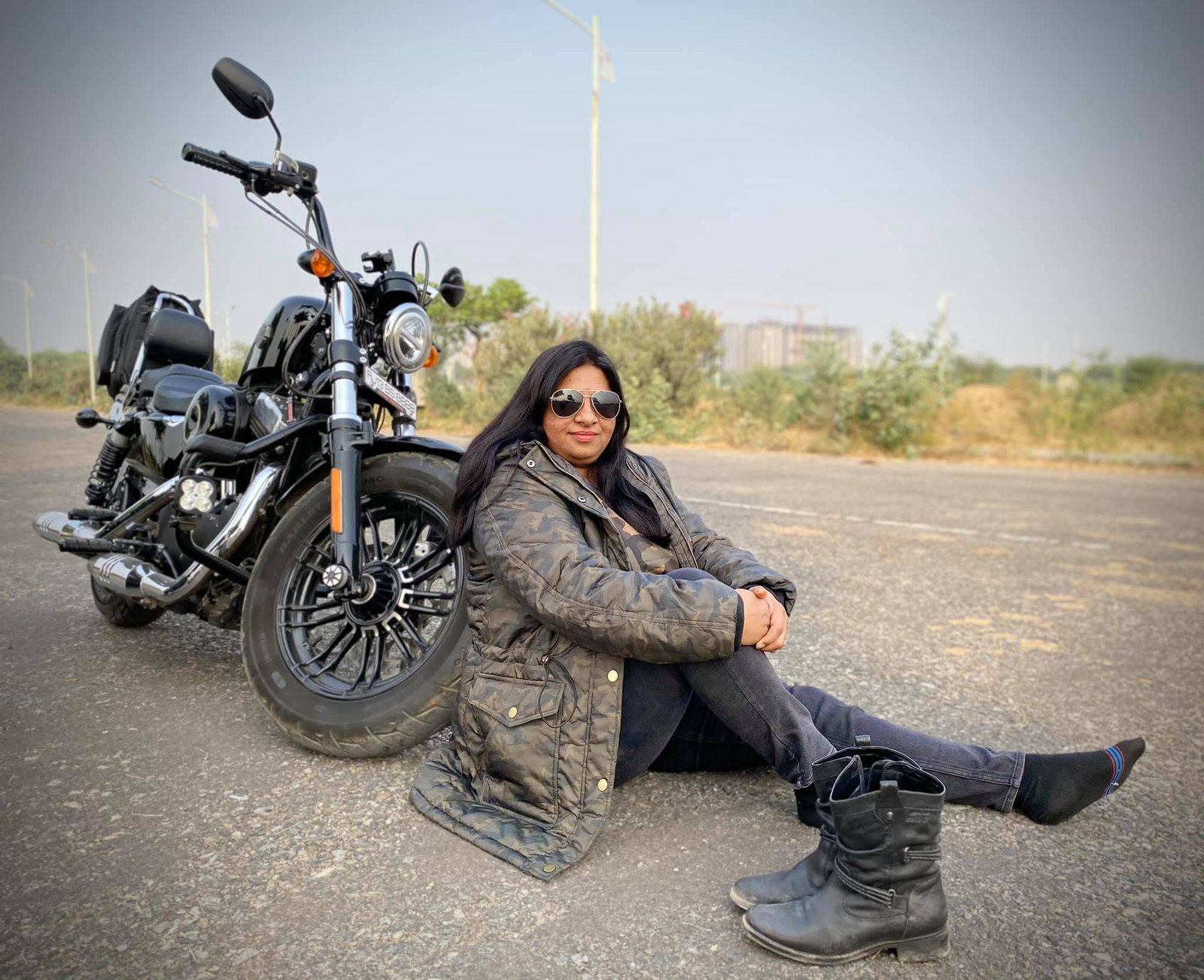
Learning to ride a large motorcycle has nothing to do with gender or raw physical strength—it comes down to proper technique, a focused mindset, and systematic practice. Your initial fear is entirely normal, but it is also completely temporary. Every accomplished female rider on the road today started exactly where you are standing right now: holding a set of keys, feeling a little nervous, but choosing to ride forward anyway.