Daily Exercises for Women
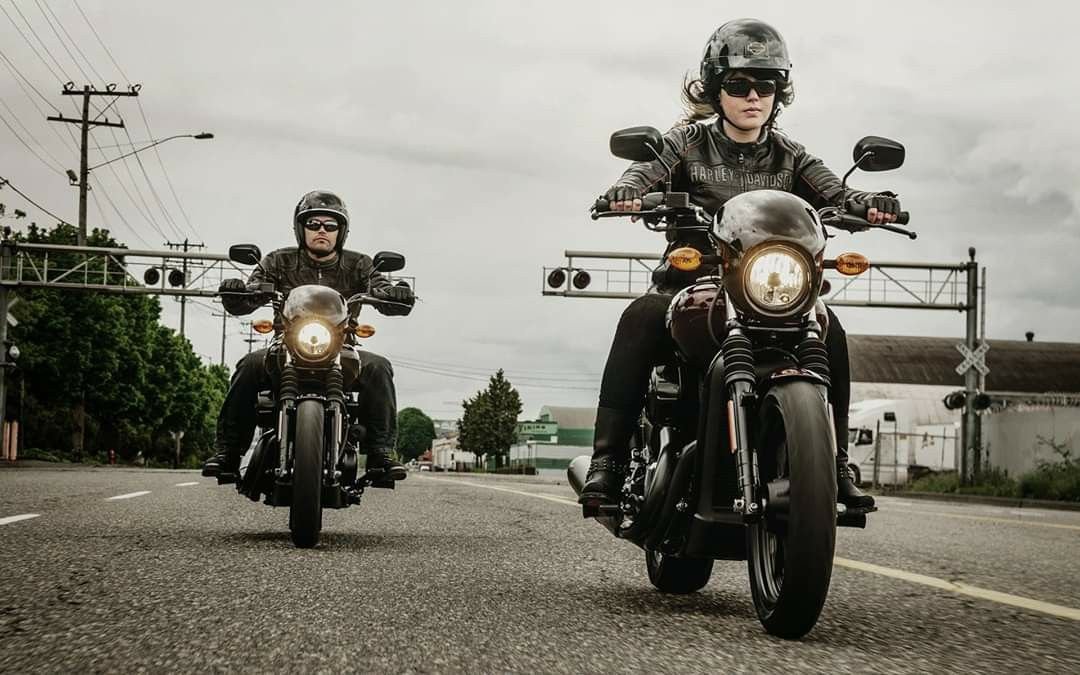
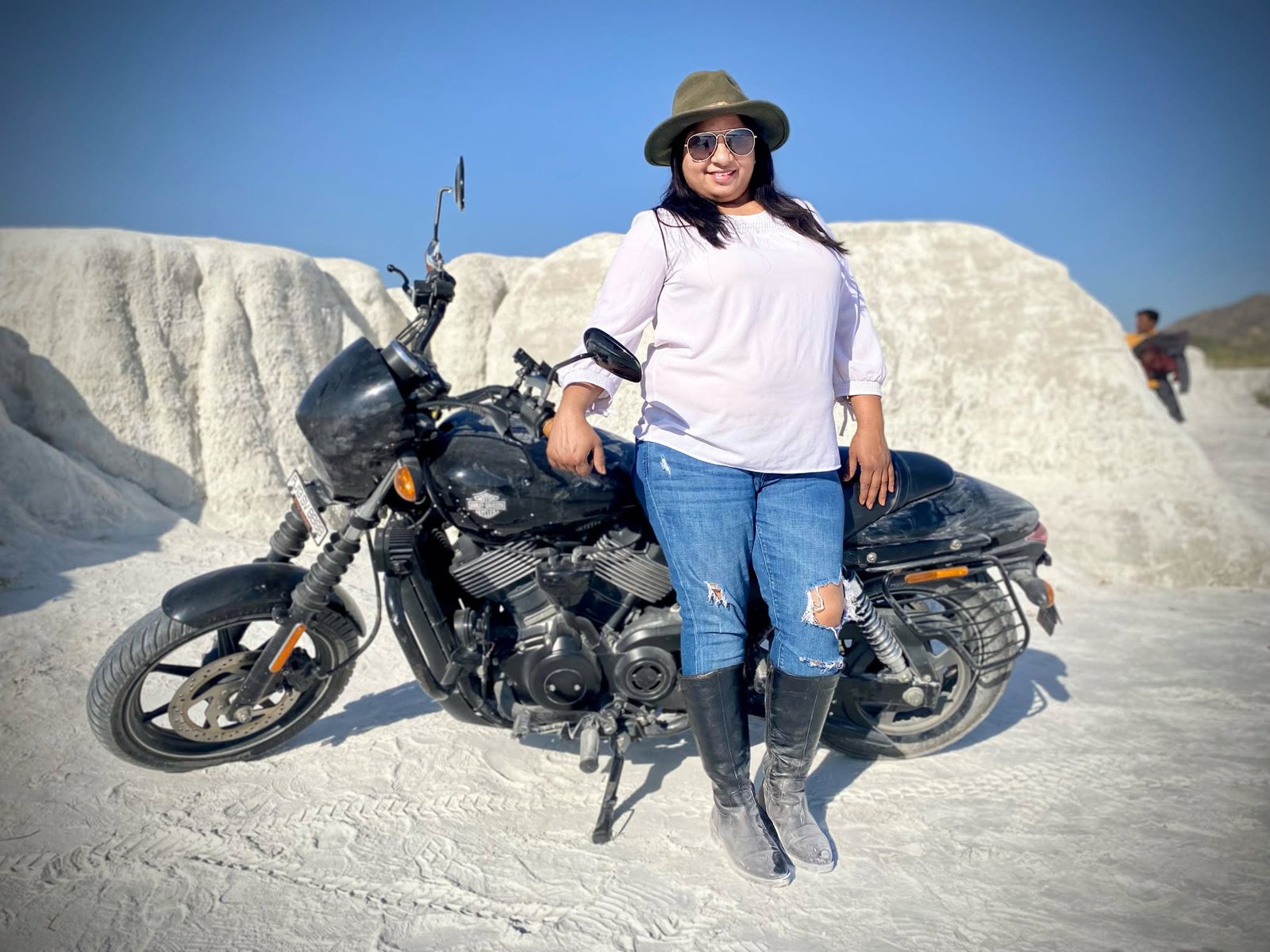
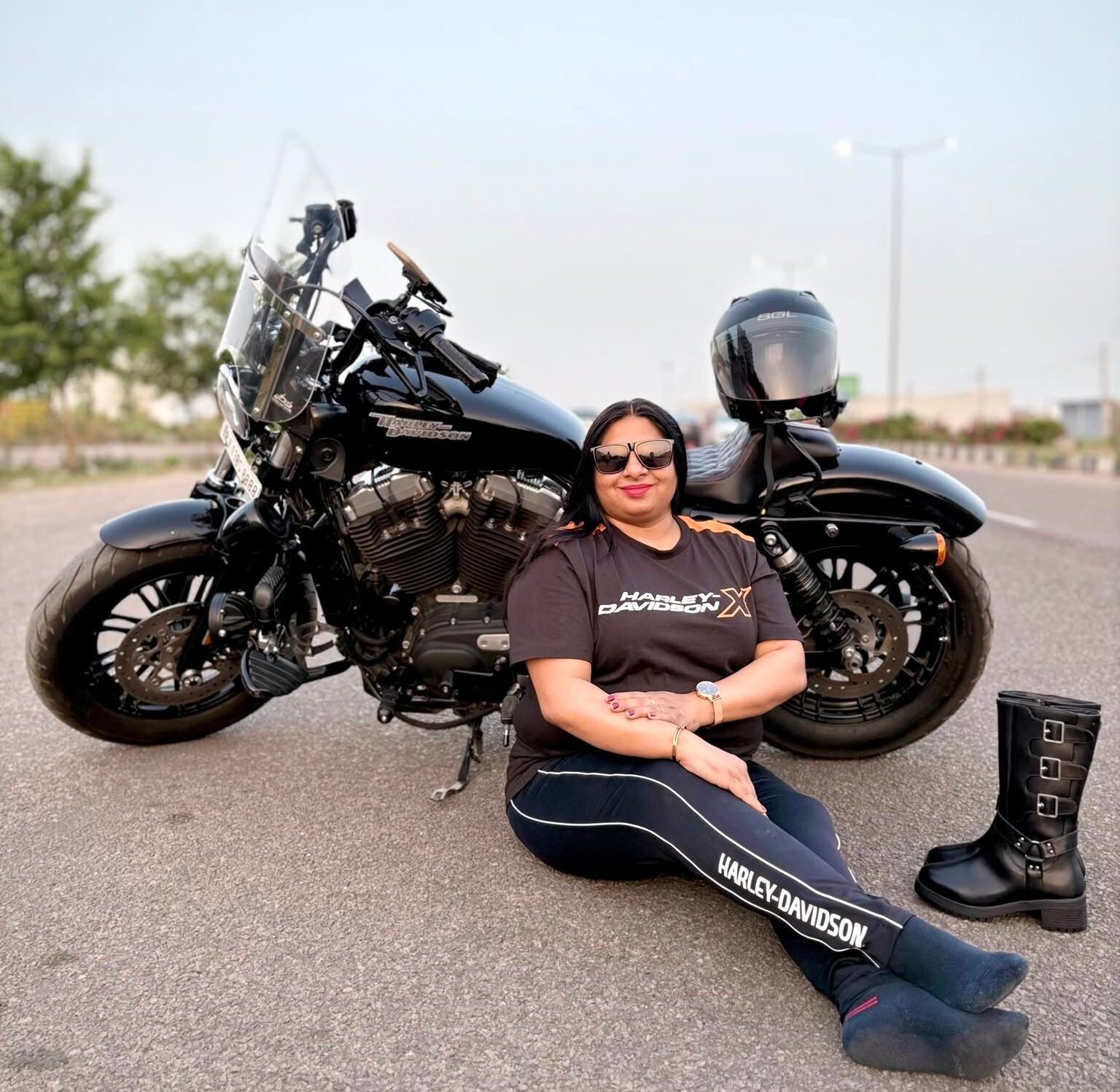
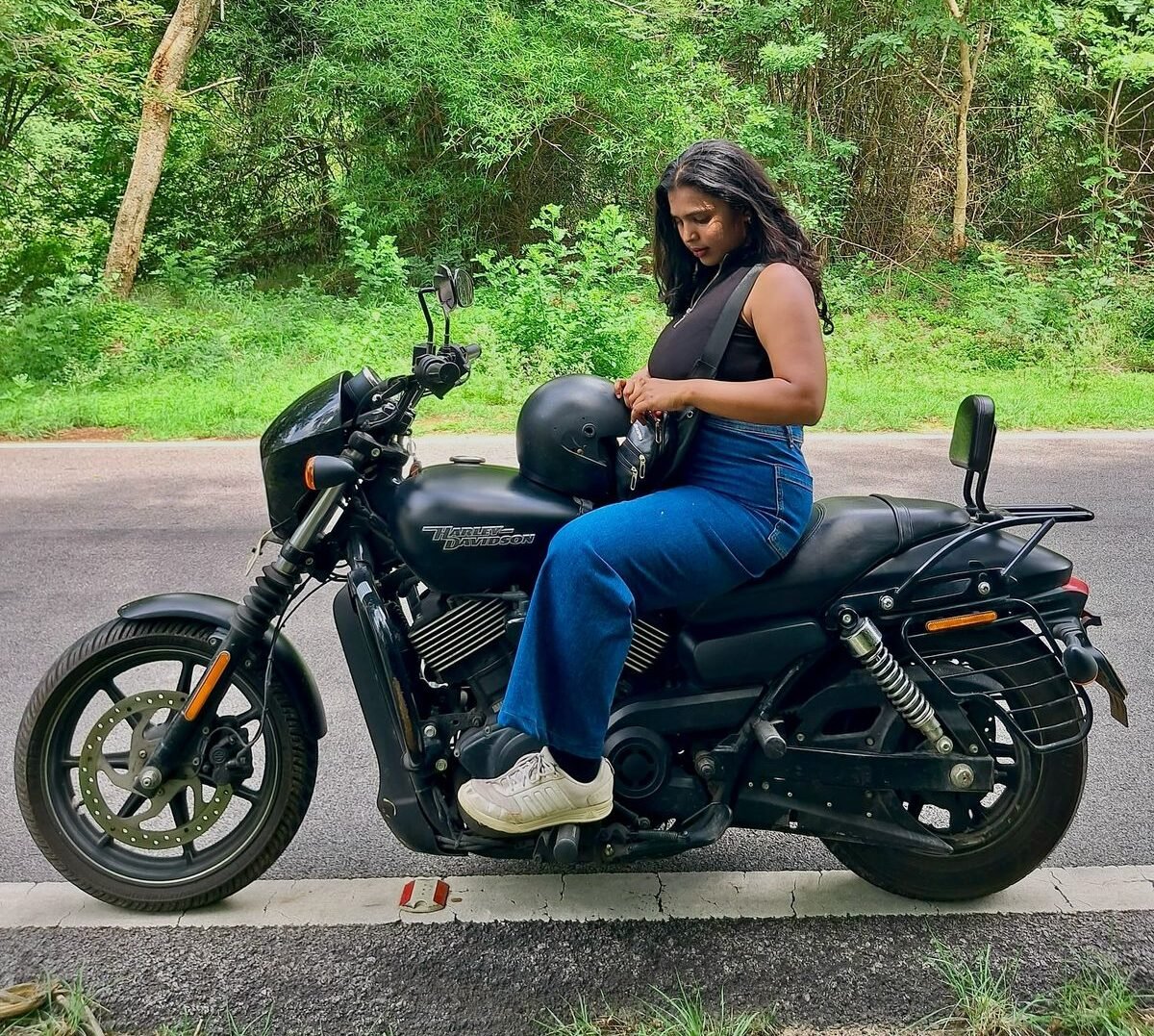
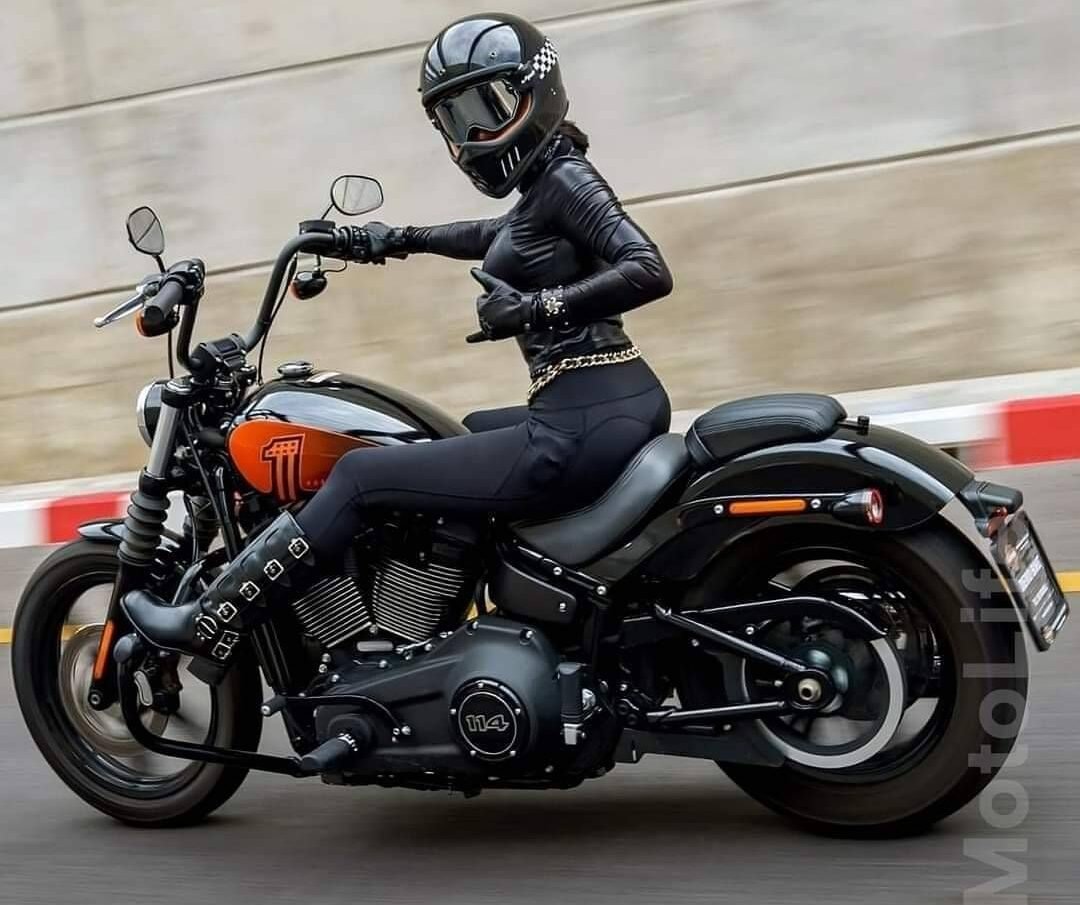
Harleys are powerful, heavy motorcycles. Even the lightest Harley models weigh over 230 kg, which demands targeted physical preparation.
While women naturally excel at riding technique, balance, and throttle smoothness, building a foundation of functional strength multiplies your machine control. You don’t need bulky muscles to handle a cruiser—you just need the specific core, leg, and upper-body stability that makes a heavy machine feel completely weightless under your command.
Why Strength Matters for Women Harley Riders
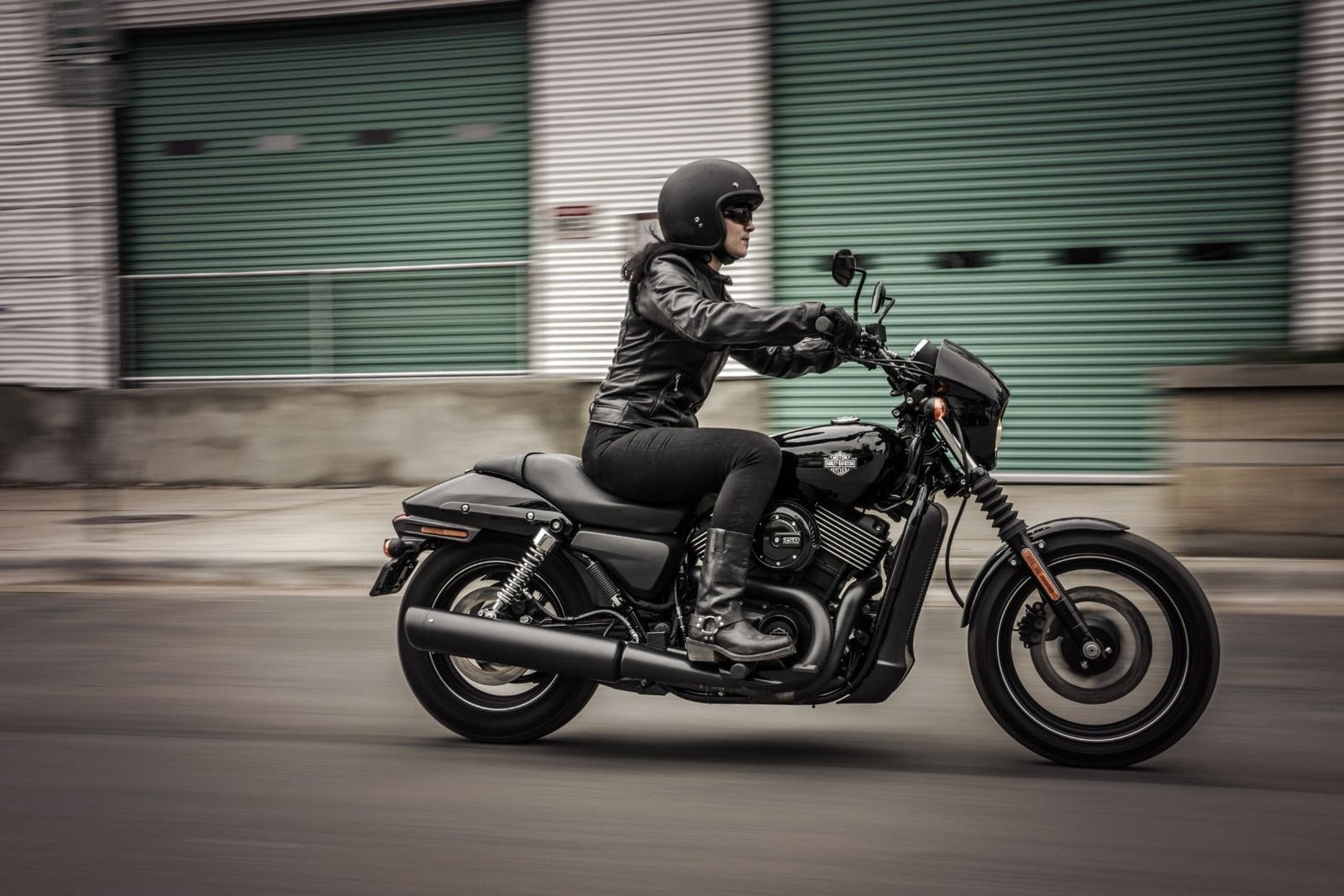
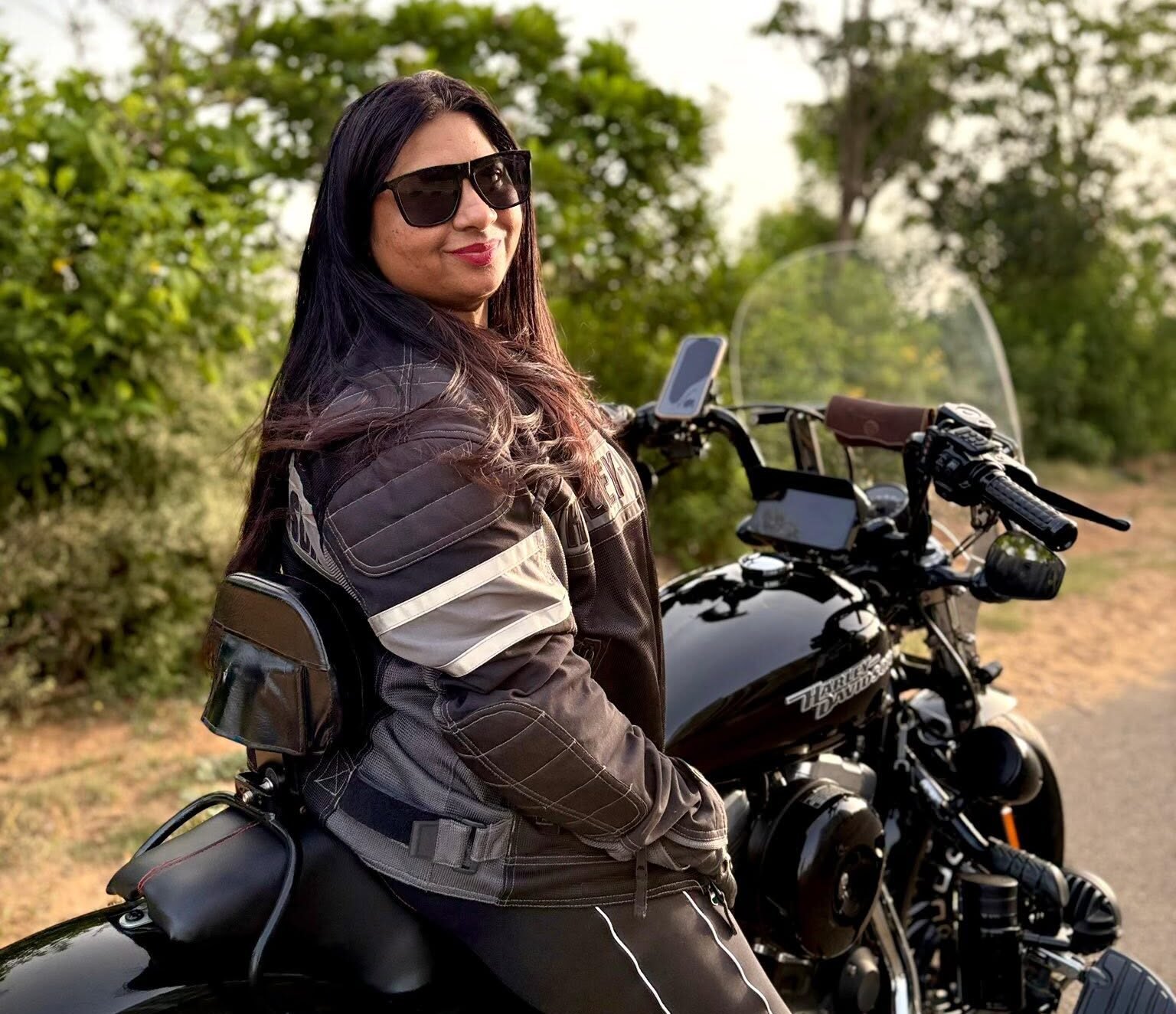
A motorcycle is managed using core leverage and body positioning rather than raw physical force. However, a strong physical baseline is essential during specific riding scenarios:
- Leg Strength: Vital for flat-footing your motorcycle at stoplights, duck-walking the machine backwards into tight parking spots, and holding the bike steady on uneven inclines.
- Core Stability: Keeps your body anchored to the machine during deep cornering, preventing you from leaning too heavily on the handlebars.
- Upper-Body Strength: Provides the stability required to manage slow-speed tight maneuvers, counteract heavy crosswinds, and hold the handlebars perfectly steady on bumpy roads.
Benefits of Strength Training for Riding a Harley
- Greatly improved balance and precision during slow-speed crawls.
- Effortless U-turns and stress-free parking lot positioning.
- Significantly less physical fatigue and muscular stiffness during long-distance touring.
- Drastically reduced wrist, neck, and shoulder pain after hours in the saddle.
- Higher confidence when carrying a pillion passenger or riding with fully loaded luggage panniers.
- Seamless control when shifting your body weight seamlessly through tight corners.
Daily Exercise Routine for Women Riders
This targeted workout routine is simple, requires absolutely zero gym equipment, and takes just 20 to 25 minutes out of your day.
Leg Strength Exercises
- Squats: 3 sets of 12 repetitions
- Lunges: 3 sets of 10 repetitions per leg
- Wall Sit: 3 sets of 30–45 seconds
- Glute Bridges: 3 sets of 15 repetitions
Core Stability Exercises
- Plank: 3 sets of 30–45 seconds
- Side Plank: 2 to 3 sets of 20–30 seconds per side
- Dead Bug: 3 sets of 10 repetitions per side
- Russian Twists: 3 sets of 15 repetitions
Upper-Body Strength Exercises
- Push-ups: 3 sets of 8–12 repetitions (drop to your knees for a modified version if needed)
- Shoulder Taps: 3 sets of 15 repetitions
- Resistance Band Rows: 3 sets of 12 repetitions (can substitute with a door-anchored towel row)
- Wrist Curls: 3 sets of 15 repetitions (using a loaded water bottle or light dumbbell)
Step-by-Step Guide to Each Exercise

|
🏋️ Squats Purpose: Holding the bike steady How to Perform: Stand with feet shoulder-width apart and lower your hips as if sitting in a chair. Keep your chest up and knees aligned over your toes. Builds quad and glute strength for controlling a heavy motorcycle at stops. |
|
🚶 Lunges Purpose: Parking lot maneuvers How to Perform: Step forward and lower both knees to about 90 degrees while keeping your torso upright. Return to the starting position and alternate legs. Improves balance and stability when parking or moving a motorcycle. |
|
🧍 Planks Purpose: Deep cornering control How to Perform: Hold a straight-body position on your forearms and toes. Tighten your core and glutes while keeping your back neutral. Develops core strength for maintaining control during cornering and long rides. |
|
💪 Push-Ups Purpose: Handlebar stability How to Perform: Place hands slightly wider than shoulder width and lower your chest while keeping elbows at roughly 45 degrees. Builds chest, shoulder, and tricep endurance for better steering control. |
Do’s and Don’ts for Rider Fitness
Do's
- Do start slow and let your repetition count build gradually as your fitness improves.
- Do focus entirely on perfect spinal alignment and form rather than rushing through sets.
- Do take 5 minutes to gently stretch out your lower back, neck, and forearms after every long ride.
- Do listen to your body and take rest days when your muscles feel deeply fatigued.
- Do combine your strength exercises with regular flexibility and mobility drills.
Don'ts
- Don't ever overtrain or try to push your joints through sharp, stabbing pain.
- Don't skip a quick 3-minute warm-up before diving directly into your bodyweight exercises.
- Don't hold your breath while exerting force; breathe out smoothly as you push or pull.
- Don't rely exclusively on upper-body muscle; remember that motorcycling is heavily driven by lower-body and core input.
Pros and Cons of a Daily Workout Routine
Pros
- Instant, noticeable improvement in slow-speed bike control and handling.
- Massive reduction in next-day muscle fatigue and body soreness after touring.
- A toned, strong, and highly responsive body baseline.
- A major psychological boost in riding self-confidence.
- An overall safer, more controlled on-road riding experience.
Pros
- Demands a consistent, dedicated daily time commitment.
- Can cause mild muscular soreness during the initial week of training.
- Requires conscious self-discipline to maintain a routine.
Pros and Cons of a Daily Workout Routine
Slow-Speed Balance
|
||
Muscular Fatigue
|
||
Parking Lot Control
|
FAQ
Do women really need specialized strength training to ride a Harley?
It is not mandatory, but it is extremely helpful. Building physical core and lower-body stability takes away the anxiety of handling a heavy machine and stops you from feeling physically exhausted after a weekend ride.
How long before I feel a noticeable improvement on my motorcycle?
If you follow this 20-minute bodyweight routine consistently 4 to 5 times a week, you will notice a significant improvement in your balance and leg stability at stoplights within just 3 to 4 weeks.
What should I do if I experience pre-existing knee or lower-back pain?
Modify the movements to protect your joints. Swap full squats for shallow wall-sits, and replace traditional lunges with low-impact glute bridges to strengthen your legs without putting structural pressure on your knees.
Can absolute fitness beginners safely perform these exercises?
Yes. This routine uses your own body weight and requires zero complex gym equipment. Start with fewer repetitions (such as 5 squats instead of 12) and slowly scale up as your body adapts.
Should I do this workout routine on the days I plan to go for a long ride?
It is best to separate them. Doing a full workout right before a long ride can leave your muscles fatigued, which lowers your reaction times. On riding days, use this routine as a light, quick 5-minute pre-ride stretching warm-up instead.
Which specific muscle group is the most important for controlling a cruiser?
Your core and glutes are the ultimate foundations. A strong core allows you to sit completely upright and keep your arms relaxed, which gives you smooth, precise steering control over the front wheel.
Can I actually build enough functional riding strength without going to a gym?
Absolutely. Motorcycling requires functional, real-world endurance and balance, not bodybuilding mass. Consistent bodyweight movements perfectly mimic the exact leverage patterns you use to control a bike.
How many days a week should I train to maintain my riding stamina?
Aim for 4 to 5 days a week. Giving your muscles 2 days of recovery keeps your body fresh, agile, and completely ready for your weekend highway runs.
Conclusion
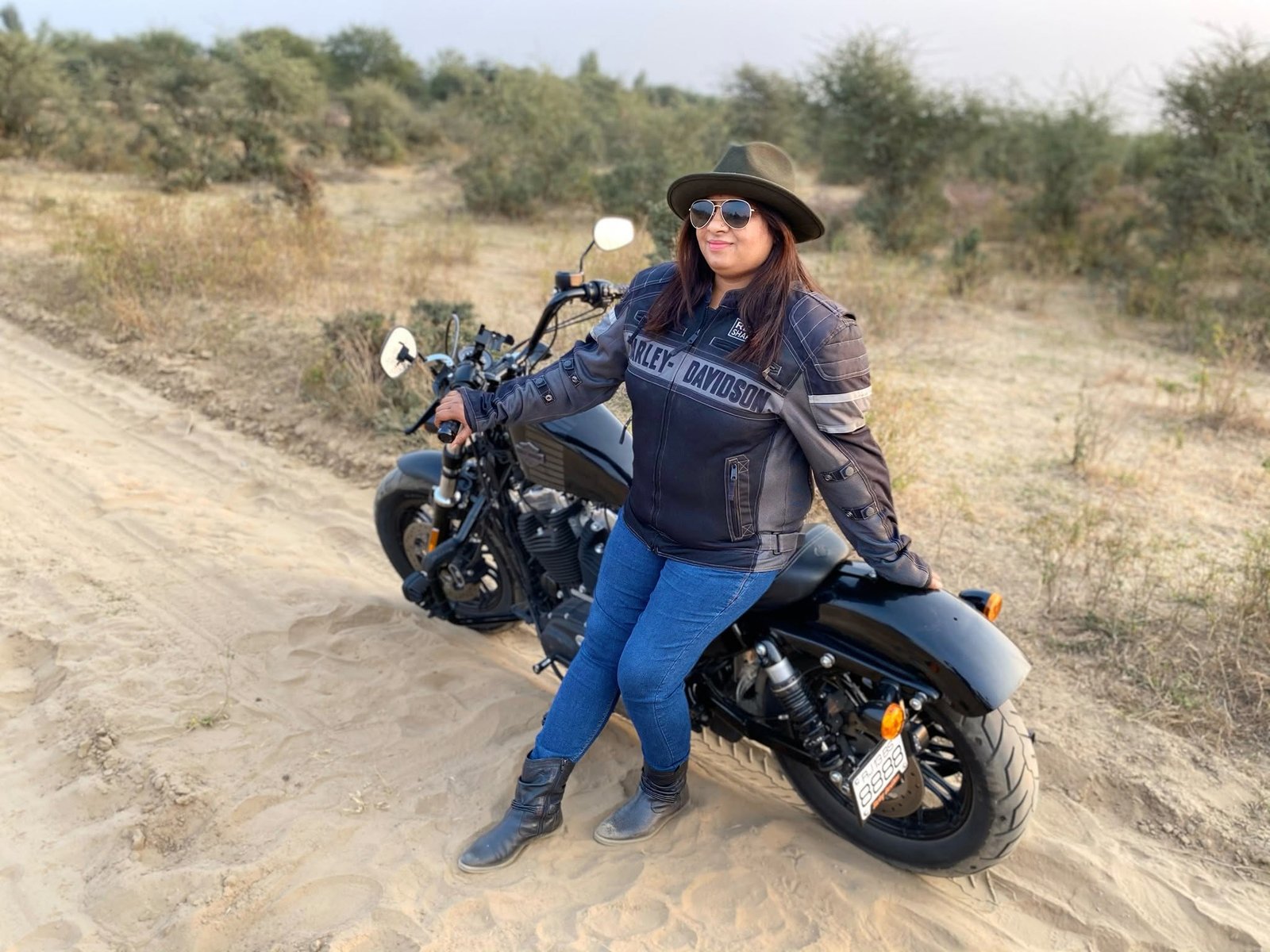
Building strength for riding a Harley isn’t about lifting heavy weights—it’s about building confidence, stability, and control. A simple 20-minute daily routine can transform how your bike feels beneath you, helping you ride longer, safer, and with more joy.