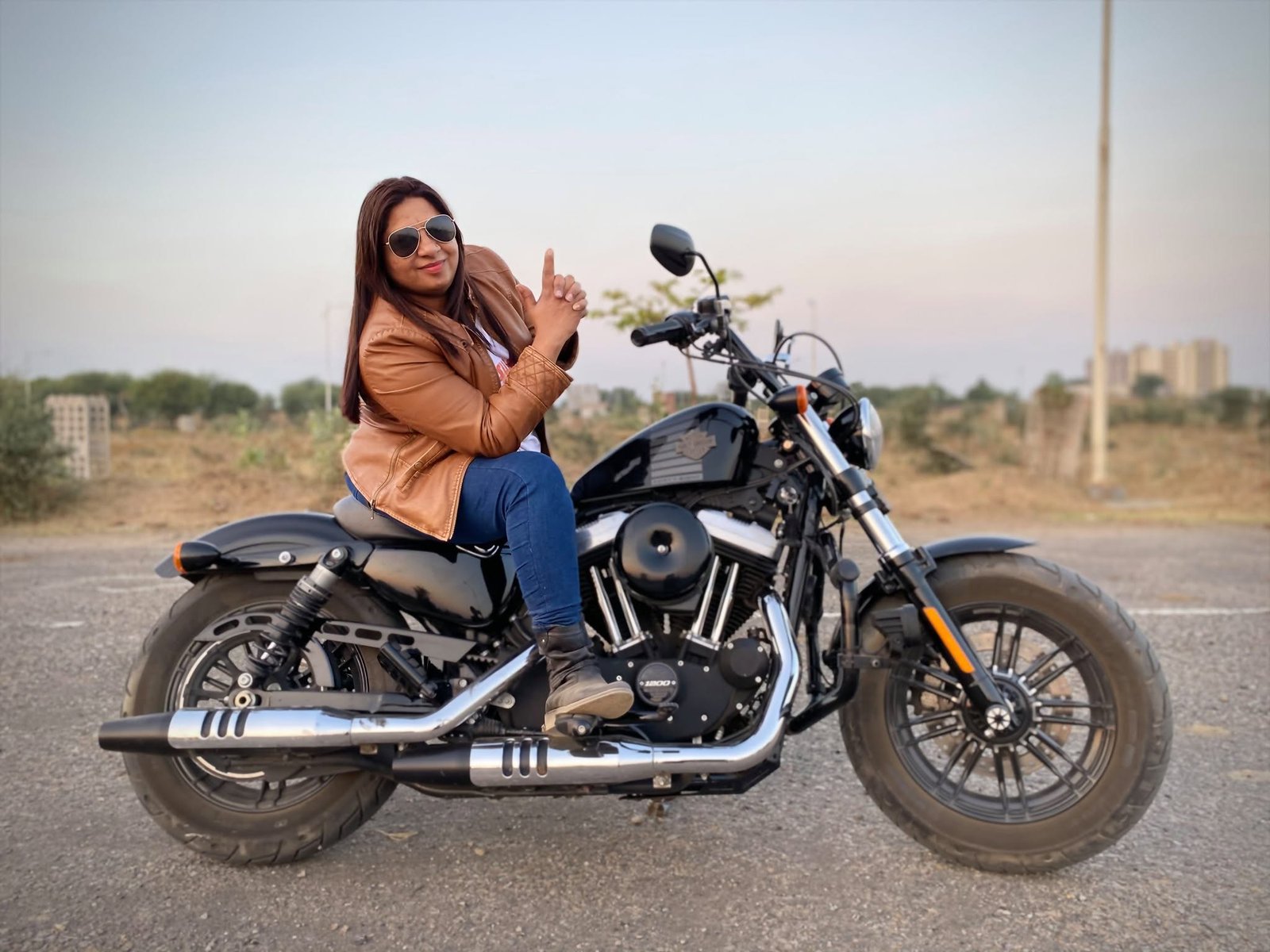
riding shoes & boots for women

When you slide onto the saddle of a motorcycle, your feet are doing a lot more than just resting on the footpegs. They balance the weight of a heavy machine at every traffic light, manage gear shifts, stabilize you on gravelly roads, and control the rear brake.
Despite this, many women riders gear up with a premium helmet and jacket but head out wearing everyday casual sneakers or canvas shoes. While canvas flats are great for a walk in the park, they leave your lower limbs completely vulnerable on a motorcycle. Let’s break down why upgrading your footwear changes your entire riding experience.
Why Footwear Matters for Women Riders
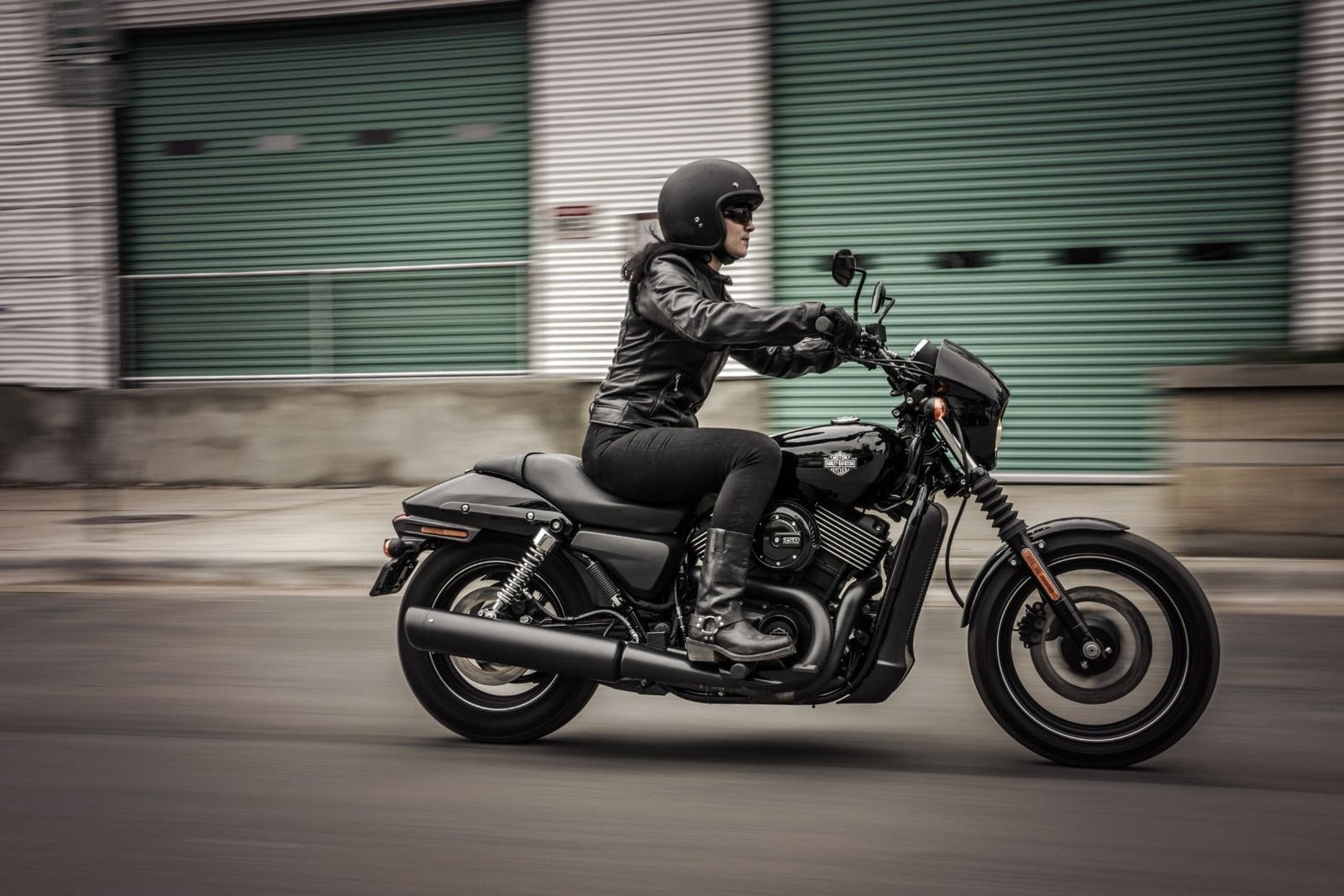
- Reduced Grip: It makes your feet slip right off the footpegs during sudden bumps.
- Ground Slips: It increases your risk of losing your footing on oily asphalt or wet surfaces when coming to a stop.
- Weak Emergency Braking: It fails to provide the stiff structural support required to slam down on the rear brake lever during a panic stop.
- Low-Speed Tip-Overs: It leaves your ankles completely unsupported if the motorcycle tilts slightly during a sharp, slow-speed turn.
The Dangers of Wearing Sneakers
| Footwear | Effect | Result |
|---|---|---|
| Sneaker Soft Sole | Flexes Over Footpeg | Foot Fatigue & Poor Lever Control |
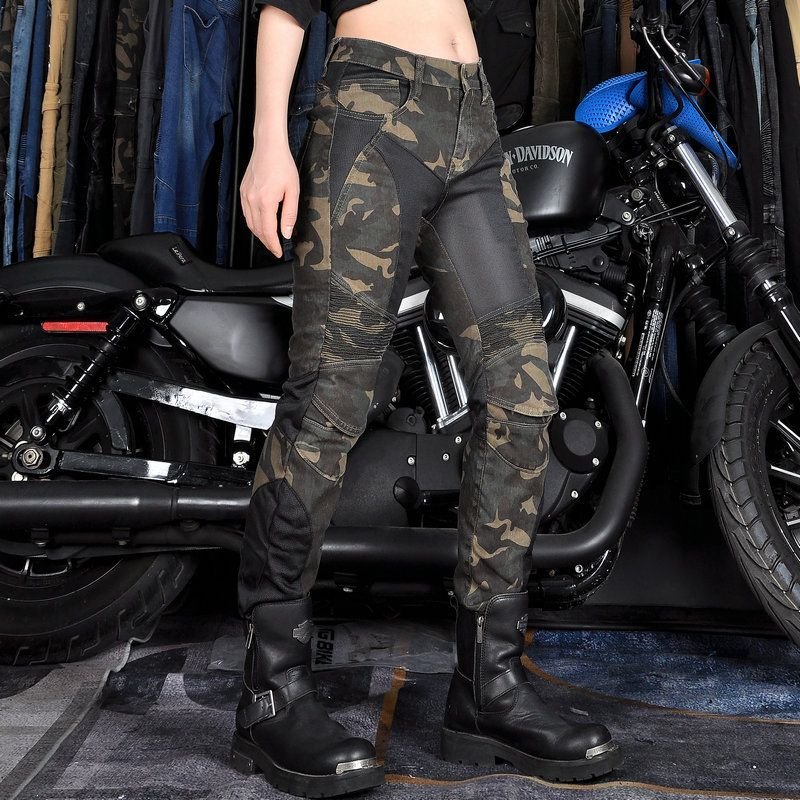
- Weak Sole Grip: The soft foam and flat rubber patterns of walking shoes lack the dense, oil-resistant tread needed to lock onto metal footpegs. A tiny splash of water or oil on the road can cause your foot to slip instantly when you try to plant it down.
- Minimal Ankle Support: A casual shoe offers zero lateral protection. If a heavy motorcycle tips over onto your leg, a standard sneaker will let your ankle twist or sprain completely under the weight.
- Thin, Flimsy Material: Canvas, mesh, and soft synthetic fashion leathers tear open within milliseconds of friction against rough asphalt. They offer no shielding against road rash or heat radiating from hot engine cases.
- No Heel Support: Standard flat shoes don't have a distinct recess or step in the sole. Without that small anchor point to catch the edge of the footpeg, your foot can easily slide forward or backward while you are trying to shift gears or brake.
Key Features to Look For in Women's Riding Footwear
1. Robust Sole Grip
2. Reinforced Ankle Protection
3. Functional Heel Height
A slight, purposeful heel block measuring roughly 1 cm to 2 cm is ideal. This small ridge acts as a mechanical lock against your footpeg, stopping your foot from moving around out of position. Avoid platform heels, fashion wedges, or completely flat soles.
4. Durability & Core Material
Types of Riding Boots for Women

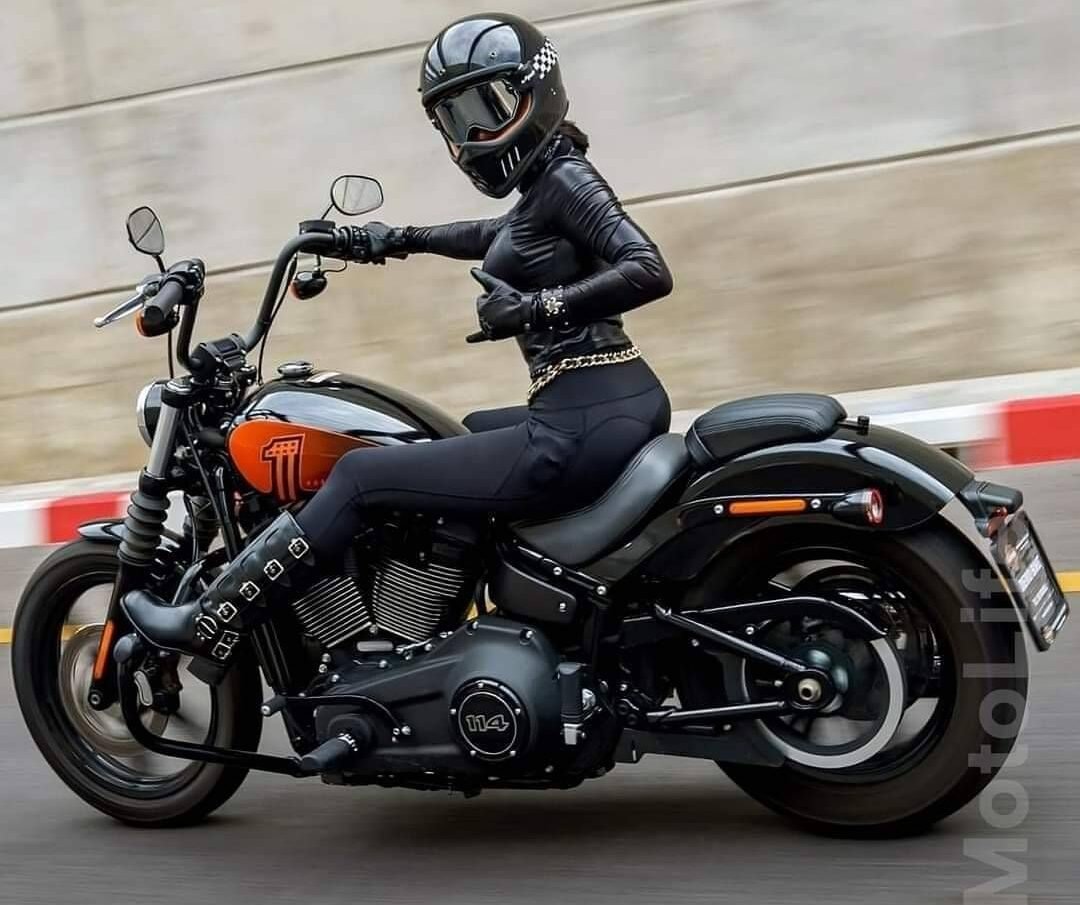
- Short Boots / Riding Shoes: These look like high-top sneakers but are fully reinforced with ankle armor and a stiff sole shank. They are incredibly lightweight, highly stylish, and perfect for city commutes and casual casual wear when you get off the bike.
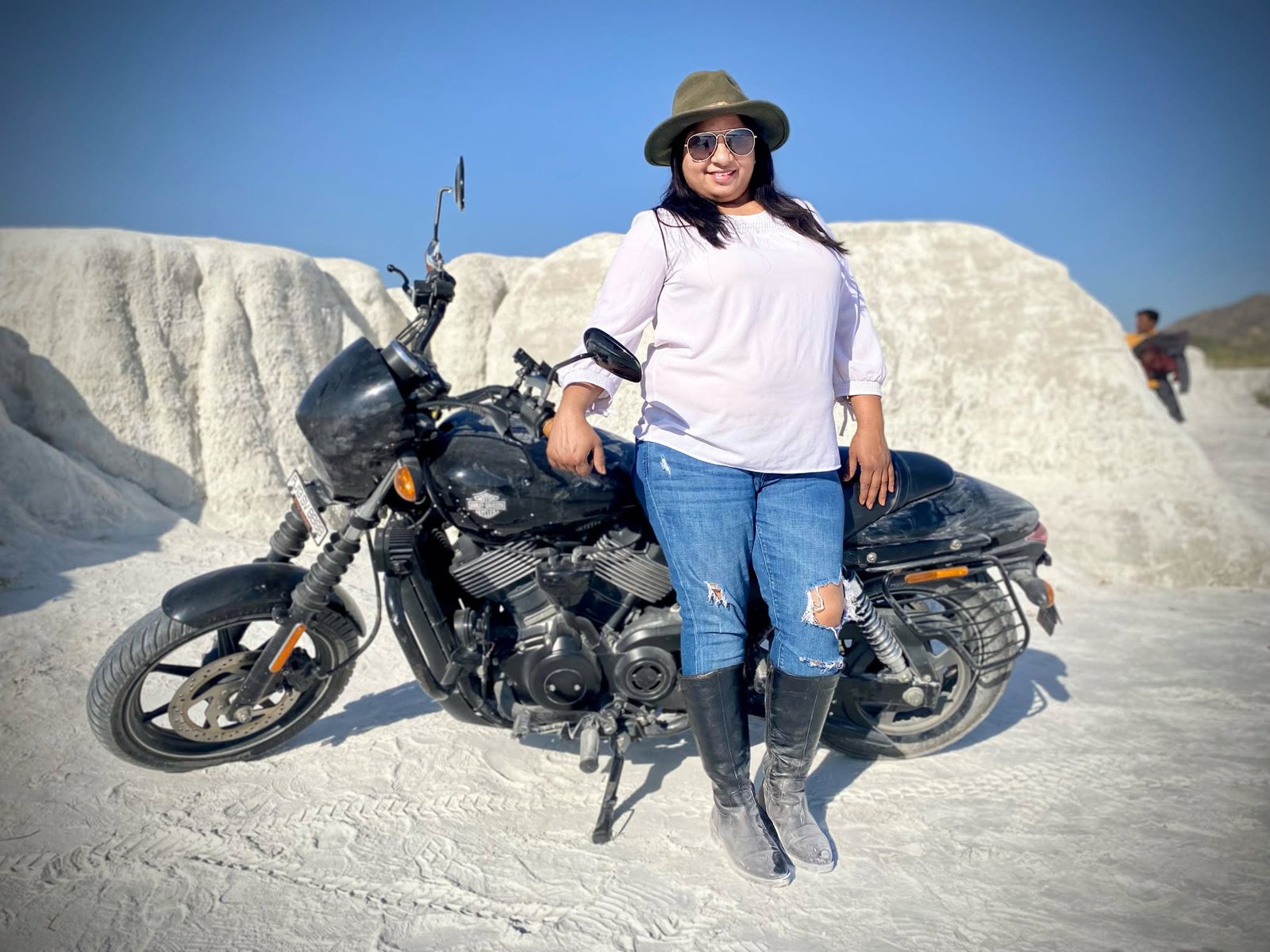
- Mid-Calf Boots: Rising halfway up your leg, these offer significantly better coverage for your ankles, shins, and lower calf muscles. They bridge the gap perfectly between urban utility and open-highway safety.
- Adventure / Touring Boots: Built rugged, tall, and heavily armored. They are almost always completely waterproof and heavily reinforced, making them the gold standard for long-distance touring, rainy highway runs, and off-road trail riding.
- Race Boots: Ultra-stiff, tall boots made from technical plastics and thick leather, designed explicitly for high-speed track use. They offer the absolute maximum level of impact protection but are rigid and uncomfortable to walk around in all day.
Step-by-Step Guide to Choosing the Right Boots

| Step | Boot Fit Check |
|---|---|
| 1 | Measure and try boots with your riding socks. Fit should be snug without restricting circulation. |
| 2 | Check ankle and heel support. The boot should resist side-to-side ankle twisting. |
| 3 | Test sole stiffness by twisting the boot. A quality riding boot should resist twisting and crushing. |
| 4 | Match the boot to your riding style—short riding shoes for daily commuting, touring boots for long highway rides. |
| 5 | Walk for 15 minutes and simulate gear shifts. Avoid boots that pinch or allow heel slippage. |
Comparison Table: Sneakers vs. Riding Boots
| Feature | 👟 Regular Sneakers | 🥾 Dedicated Riding Boots |
|---|---|---|
| Sole Grip | ❌ Poor grip on oil, water, and wet footpegs. | ✅ Oil-resistant rubber with deep traction patterns. |
| Ankle Support | ❌ Minimal support from soft canvas or mesh. | ✅ Reinforced ankle protection for better stability. |
| Impact Protection | ❌ Easily crushed during a fall or bike drop. | ✅ Reinforced toe, heel, and protective armor zones. |
| Durability | ❌ Wears out quickly when exposed to abrasion. | ✅ Built with abrasion-resistant leather or microfiber. |
| Heel Design | ❌ Flat sole can slip off the footpeg. | ✅ Slight heel step helps keep the foot securely positioned. |
Do’s & Don’ts of Motorcycle Footwear
Do's
- Do look for CE-certified ratings on motorcycle boots to ensure they have passed independent impact and abrasion tests.
- Do take a few short, easy rides to break in a new pair of leather boots, as they can feel stiff right out of the box.
- Do ensure you can still easily feel and operate your gear shifter and rear brake pedal through the sole of the boot.
- Do replace your boots promptly if the rubber tread wears completely bald or the protective stitching begins to split.
Don'ts
- Don't ever ride in casual sneakers, sandals, or canvas flats, no matter how short or familiar the route is.
- Don't compromise on protective armor just to get a boot that looks more like a high-fashion everyday shoe.
- Don't wear loose-fitting slip-on boots that could easily fly off your feet during an unexpected highway slide.
FAQs
Can I ride with sneakers if I’m just going nearby and riding very carefully?
Are short riding shoes safe enough for long highway rides?
How often should I replace my riding boots?
Can I find stylish riding boots for women that are actually safe?
Conclusion