handle unwanted comments & roadside judgements
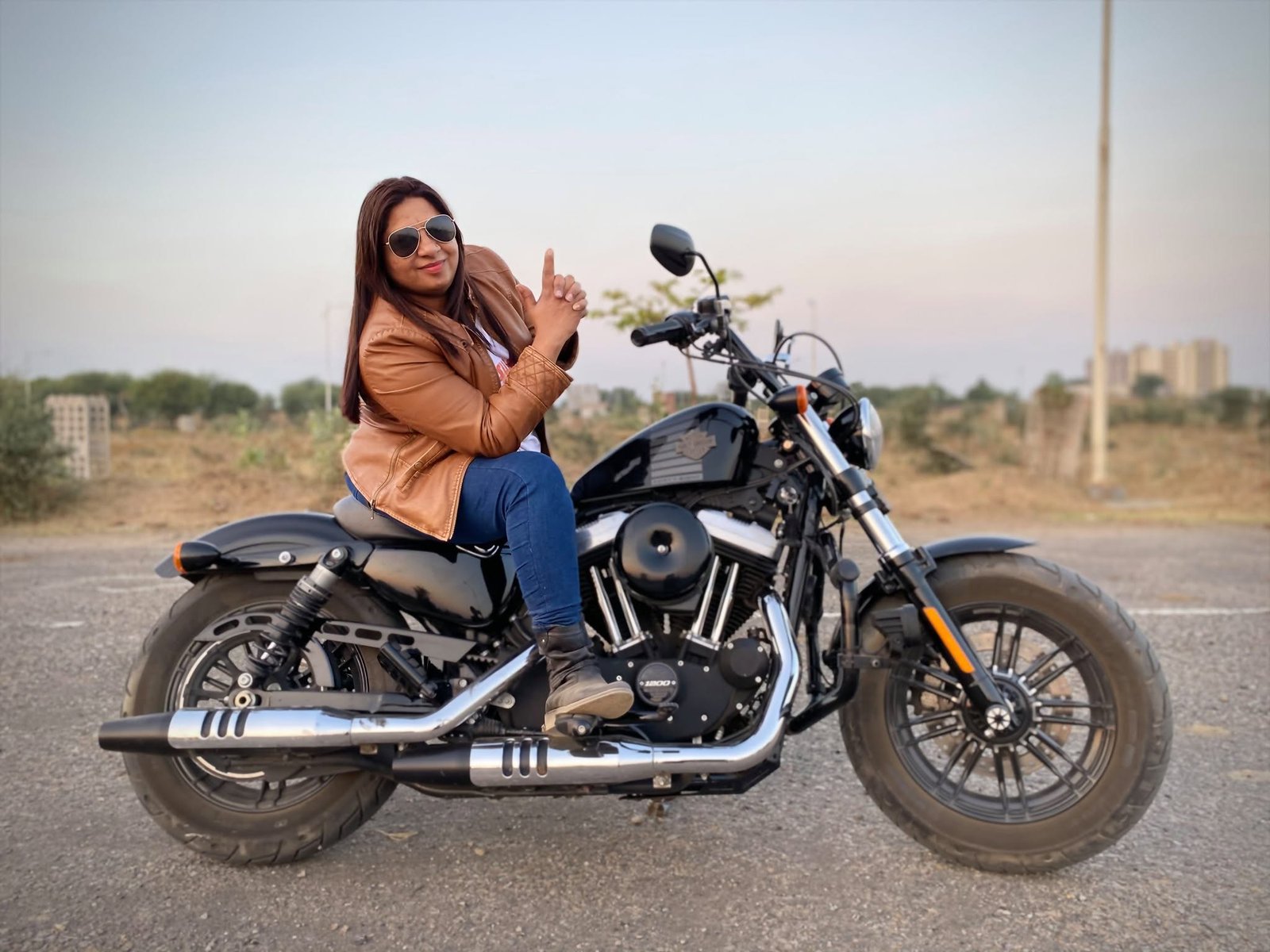
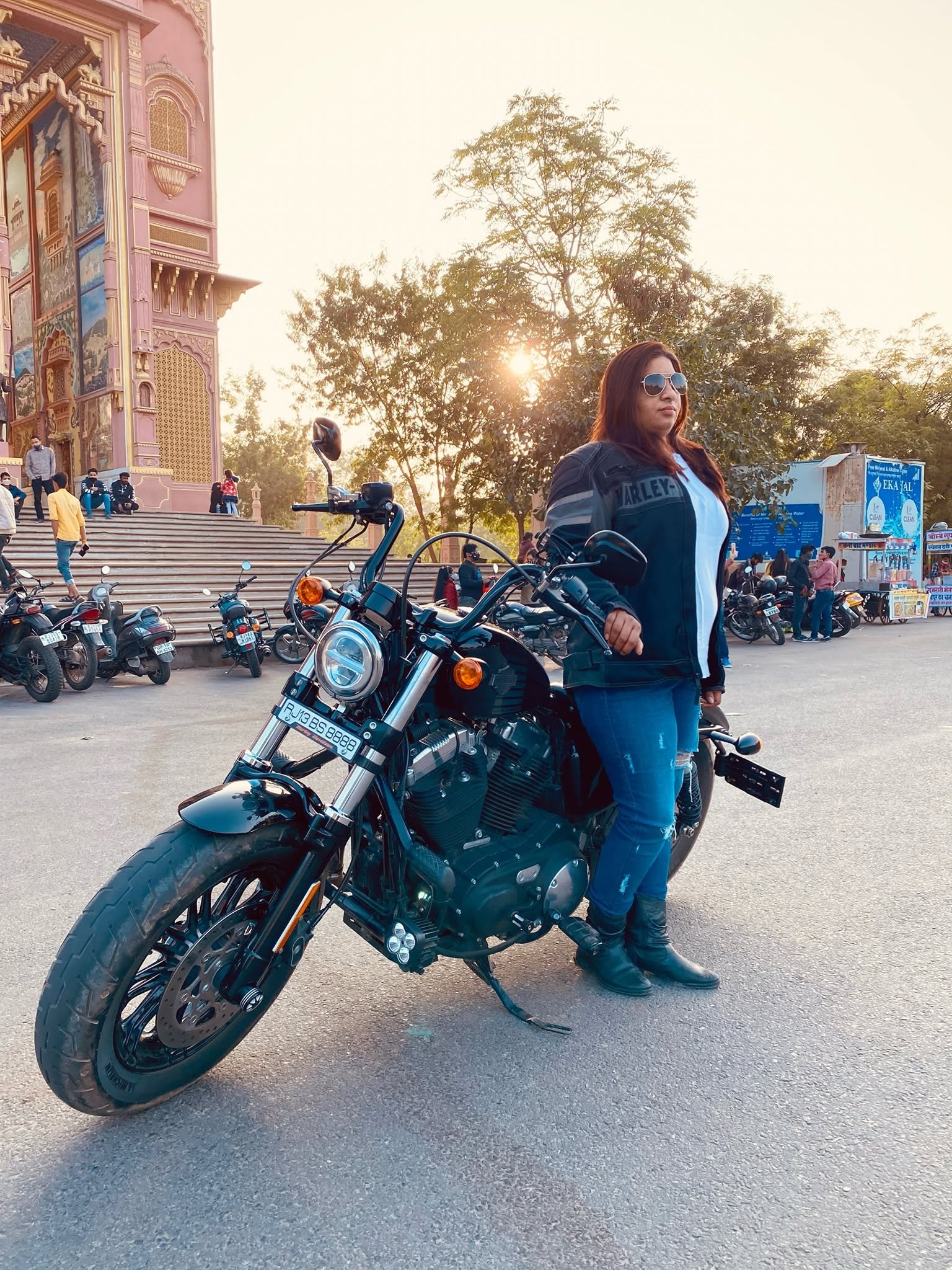
“Look, a girl is riding a motorcycle!”
“Scooty hi theek thi” (A scooter would have been better).
“Itni badi bike sambhal paogi?” (Will you be able to handle such a big bike?).
Unwanted comments. Glaring stares. Unsolicited advice. For many women riders in India, the road itself isn’t the biggest challenge—the background noise is.
If you love riding but find yourself mentally drained by roadside opinions and silent judgment, this guide is for you. We are going to unpack the practical, real-world mental tools you need to protect your peace, stay safe, and ride with absolute confidence.
Why Women Riders Face More Judgement
|
🧠 Traditional Mindset |
➜ |
👀 Stereotype Challenged |
➜ |
💬 Discomfort & Comments |
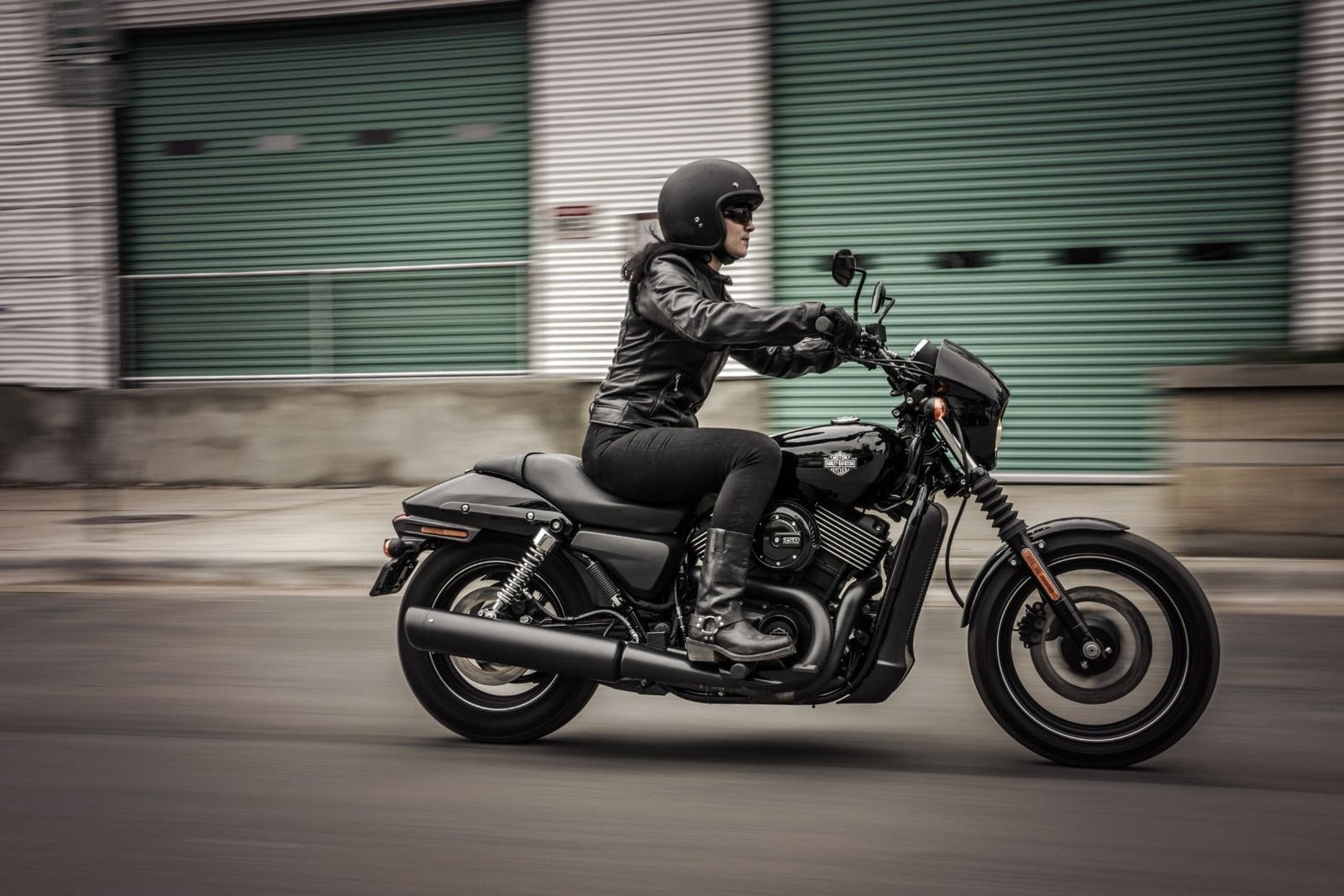
Motorcycling has historically been a male-dominated space. Because of old-school conditioning, society often associates women with “fragility” and “limits.” When you kickstart a heavy motorcycle, you aren’t just navigating traffic—you are actively breaking a stereotype right in front of people. That sudden shift makes some onlookers deeply uncomfortable, and their only way to process that discomfort is to speak up.
The Psychology Behind Roadside Comments
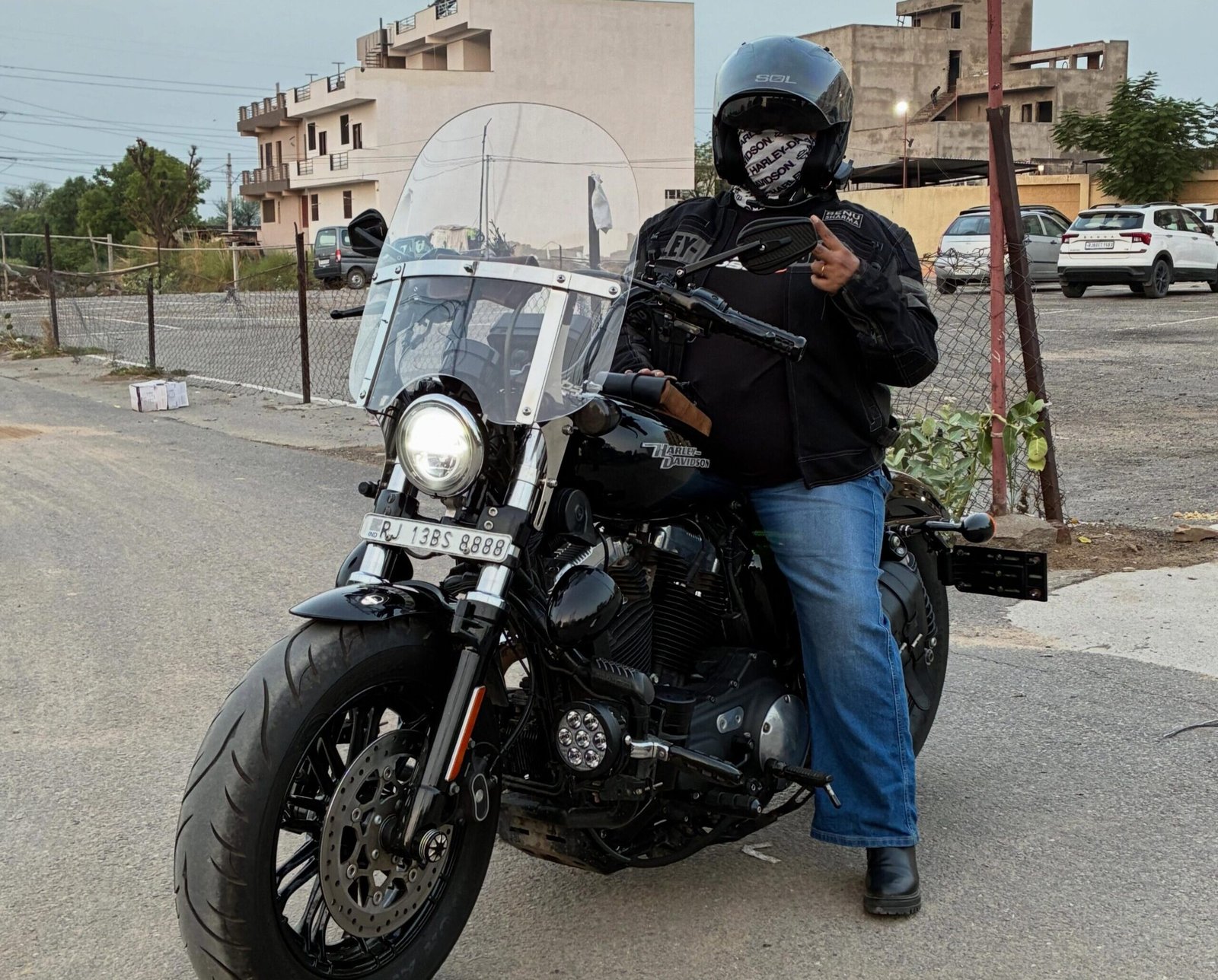
Most unwanted roadside remarks say everything about the person speaking and absolutely nothing about your riding capability. When someone yells a comment across an intersection, it is usually driven by a few specific internal triggers:
- Insecurity: Seeing a confident, independent woman handling a large machine can unconsciously trigger self-doubt in others.
- Pure Surprise: Many people have simply never seen a woman handle a geared motorcycle before, and they lack the social filter to hide their shock.
- A Need for Control: Offering unsolicited advice or passing a snide remark gives the speaker a fleeting, false sense of superiority.
Decoding the Common Types of Roadside Comments
| Situation | Reality |
|---|---|
| Everyday Doubts "That bike is too heavy for you." |
Skill and training matter more than assumptions. |
| Disguised Praise "You ride well... for a girl." |
Ability isn't determined by gender. |
| Fear-Based Warnings "Be careful, don't fall." |
Concern often reflects others' fears, not your capability. |
| Silent Judgement Stares, whispers, raised eyebrows. |
People reacting to a stereotype being challenged. |
A 5-Step Blueprint to Handle Roadside Friction
| Step | Action | Focus |
|---|---|---|
| 1️⃣ | Acknowledge the Noise | Recognize the comment without reacting emotionally. |
| 2️⃣ | Assess Safety | Determine whether it's harmless or a genuine concern. |
| 3️⃣ | Choose Silence | Stay calm and avoid giving attention to negativity. |
| 4️⃣ | Respond Briefly | Use a short, polite reply only if necessary. |
| 5️⃣ | Move Forward | Leave the comment behind and focus on the road. |
Critical Mindset Shifts That Change Everything
-
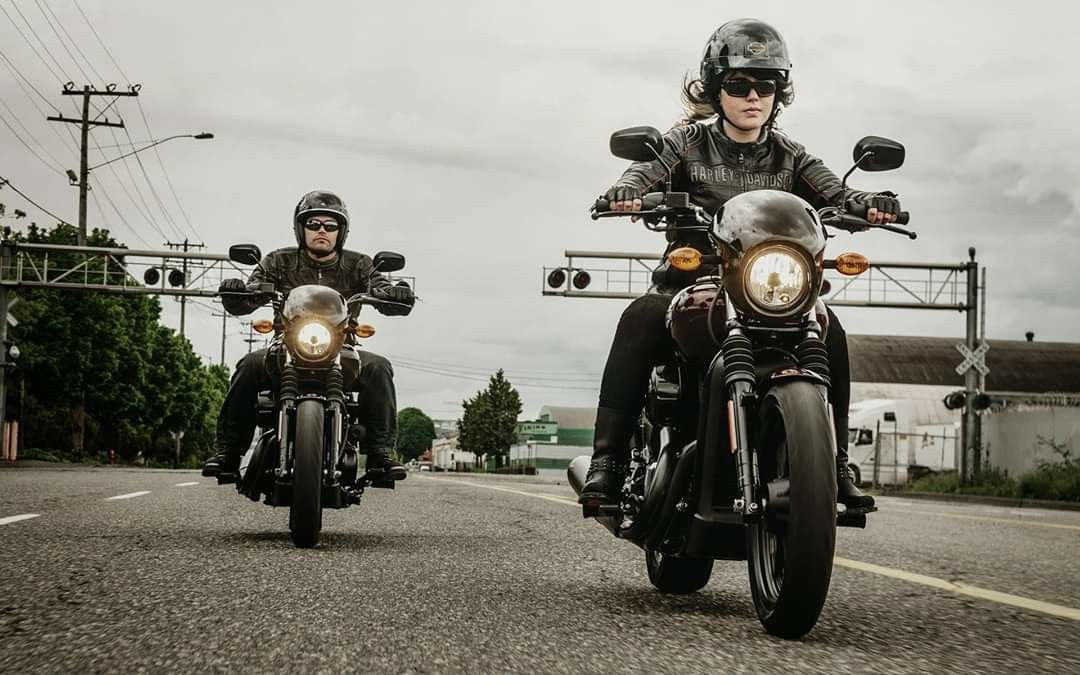
Shift 1: From "Everyone is judging me" to "I am leading the way."
People naturally look at leaders, trail-blazers, and change-makers. When people stare, remind yourself that it is a natural reaction to seeing someone confidently doing something different. - Shift 2: From "I need to prove my skills" to "I don't owe anyone an explanation." You do not have to accelerate aggressively, take risky turns, or ride fast just to prove that women can ride. Your journey is exclusively for your own growth and joy.
- Shift 3: From Fear to Familiarity. The first ten times you hear a comment, it might sting. By the hundredth time, it will barely register. True confidence grows through consistent exposure and logging miles on your odometer.
The Quick Do’s & Don’ts of Roadside Interaction
Do's
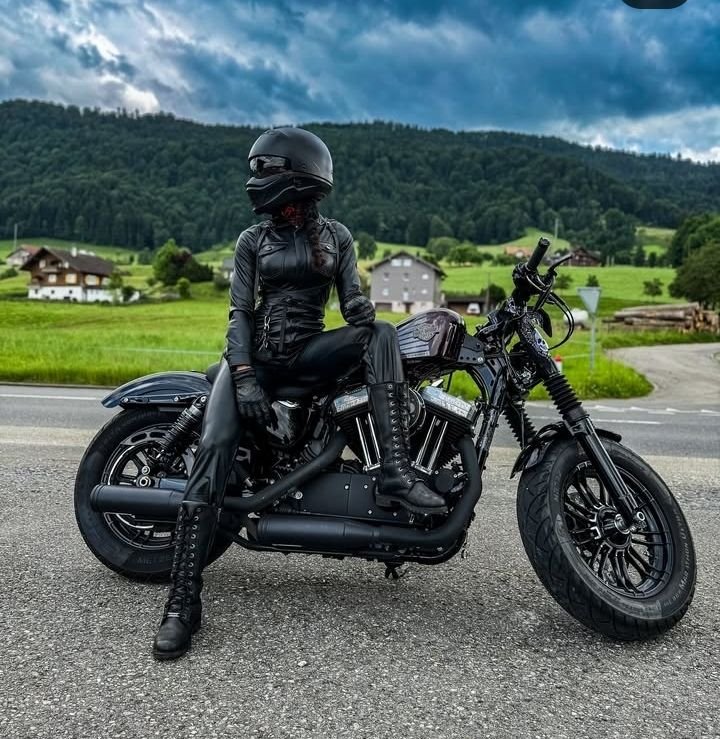
- Do wear high-quality, certified riding gear; professional gear automatically commands respect and signals that you take riding seriously.
- Do trust your training and your physical instincts over a stranger's opinion.
- Do ride consistently to turn your mechanics into effortless muscle memory.
- Do build or join a supportive local community of fellow riders who uplift you.
Don'ts
- Don't compromise your bike's handling by over-loading accessories unevenly across the left and right sides.
- Don't ignore proper weight distribution; always place heavier items at the bottom of your saddlebags.
- Don't skip out on professional advice if a modification requires altering your brake lines or electrical wiring harness.
Pros & Cons of Modifying Your Motorcycle
| Approach | Advantages | Drawbacks | Best Situation |
|---|---|---|---|
| 🤐 Ignore It | Protects your focus and peace of mind. | May feel unsatisfying in the moment. | Traffic lights, brief remarks, passing strangers. |
| 🗣️ Reply Calmly | Sets a respectful boundary. | Can extend the conversation. | Persistent people near your parked motorcycle. |
| 😠 React Emotionally | Momentary release of frustration. | Reduces focus and escalates tension. | Not recommended. |
Shift Your Validation Focus
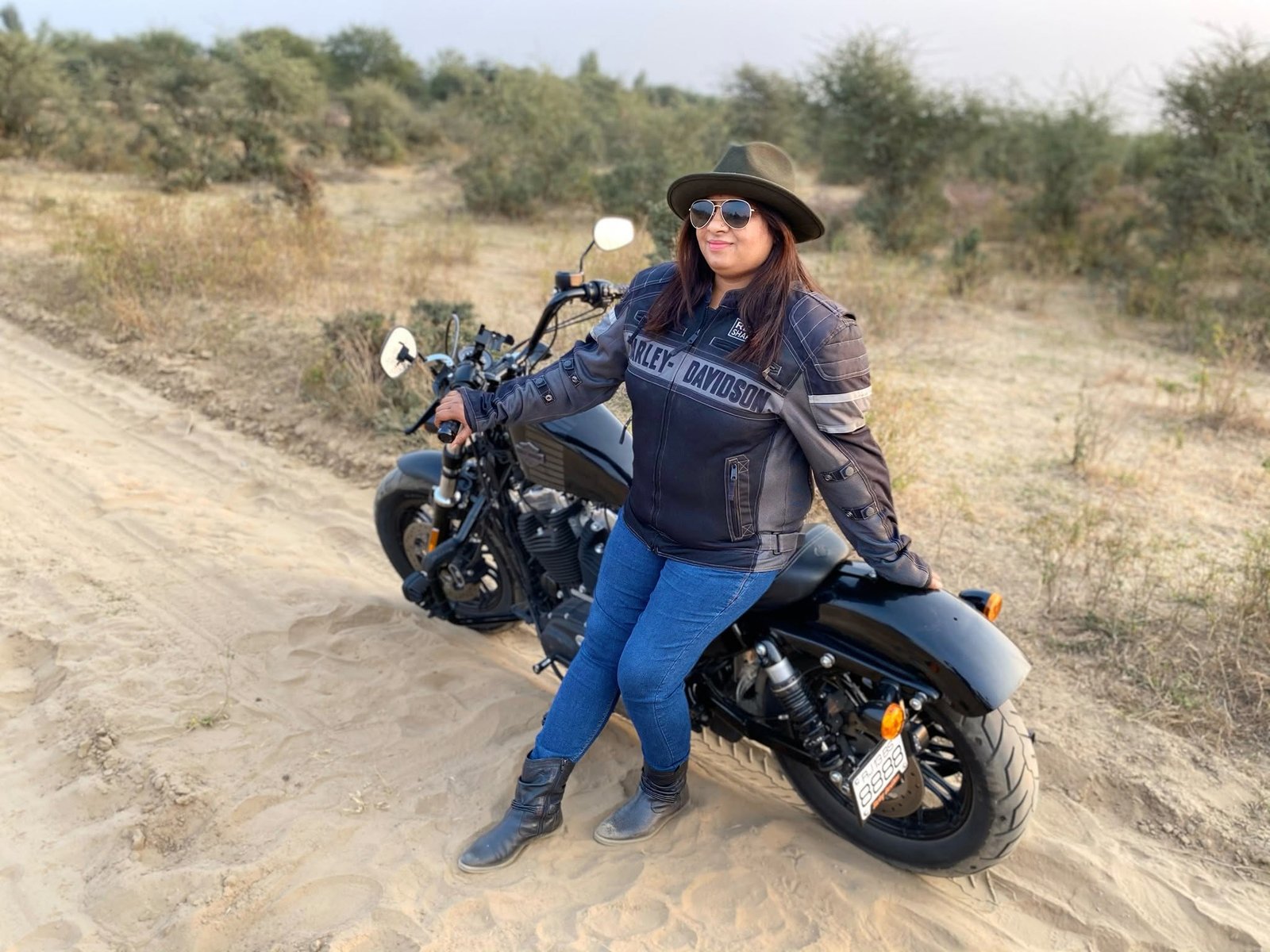
- External Validation (Fragile)
- Depends entirely on the opinions, compliments, and approval of strangers.
- Provides a temporary, unstable confidence boost.
- Is emotionally draining because you cannot control what people say.
- Internal Validation (Unshakeable)
- Relies solely on your self-assessment, technical training, and personal mileage.
- Is incredibly freeing because you only focus on your own throttle control.
How Riding Empowers Your Life Off the Road
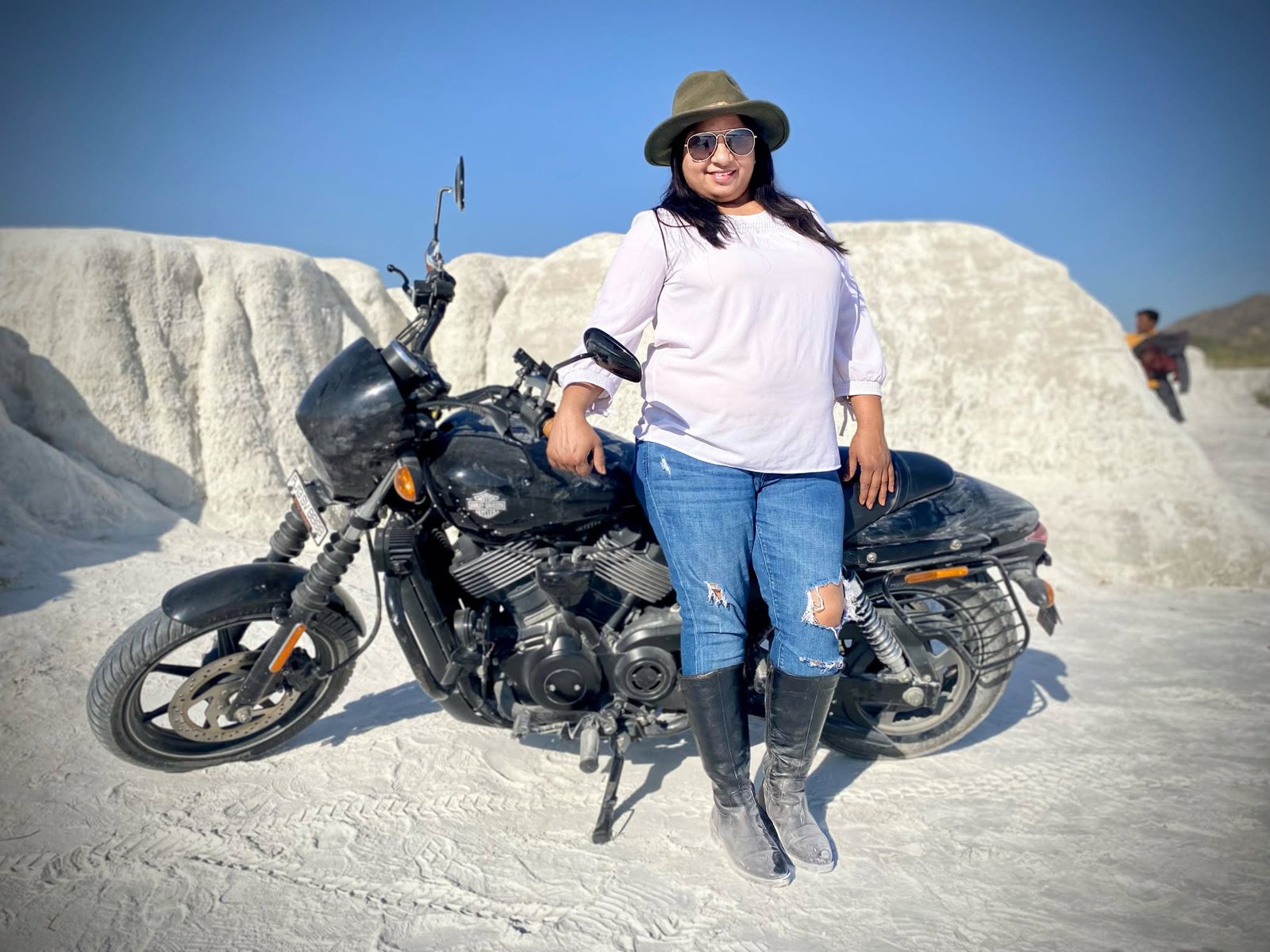
- The beautiful thing about motorcycling is that the lessons you learn in the saddle don't stay on the asphalt. Every single time you successfully manage an difficult situation on the road, you are training your brain for everyday life. Handling a motorcycle teaches you split-second decision-making under high pressure, physical and mental balance, and deep self-trust. Over time, this hard-earned road resilience naturally overflows into your career, your relationships, and the way you set personal boundaries. You aren't just learning how to manage a machine; you are building an unshakeable version of yourself with every single kilometer.
FAQs
How should a woman rider handle aggressive or mocking comments at a red light?
Is it normal to feel anxious about public judgment when learning to ride?
Yes, it is completely normal. Almost every beginner woman rider feels a wave of anxiety about stalling the bike or making a mistake in public. Acknowledge the feeling, stick to quiet parking lots for practice, and give yourself permission to learn at your own pace.
What should I do if someone actively follows me or compromises my safety on the road?
Conclusion: You Belong on the Road
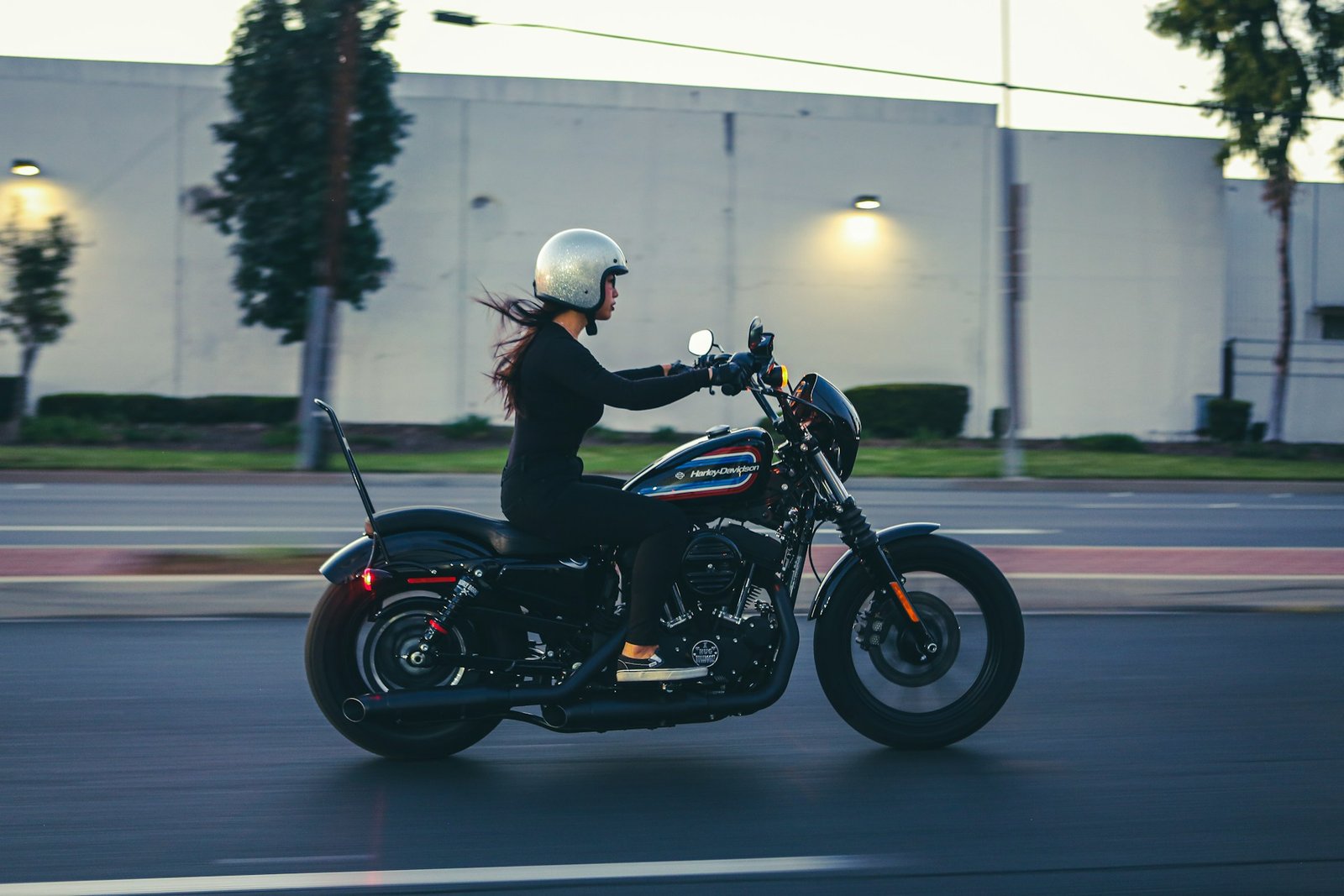
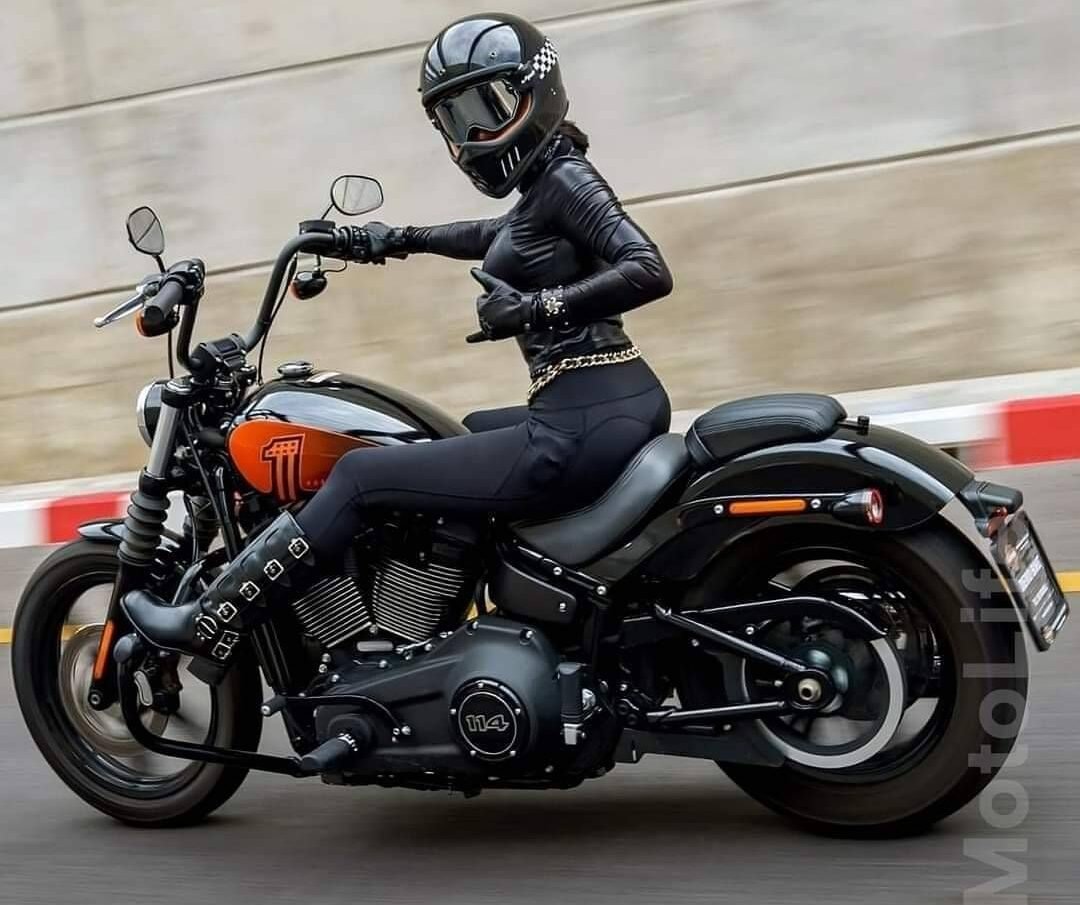
Let this sink in completely: you do not need anyone’s permission to ride, you do not need a stranger’s approval to feel confident, and you never have to justify your presence on the asphalt.
Every single time you gear up and head out, you are quietly redefining what is possible for the next generation of girls watching you from car windows. The next time someone stares, whispers, or judges, take a deep breath, smile inside your helmet, and remember: you are not riding for them. You are riding for yourself.