basic motorcycle balancing skills for every women
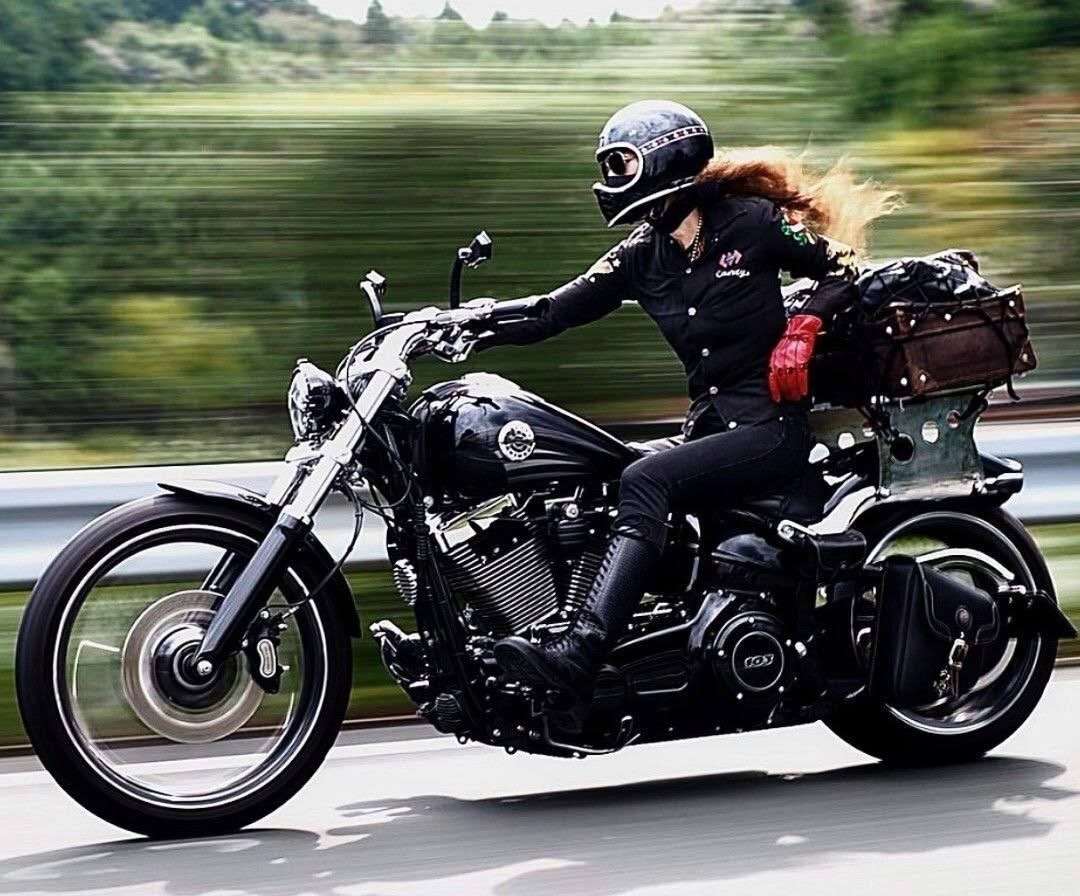
Many motorcycles on the market are designed using male body dimensions, which often results in taller seat heights, wider fuel tanks, and a heavier clutch pull. For women riders—especially beginners—these design choices can make handling a motorcycle feel intimidating at first.
But here is the good news: motorcycles are engineered to balance themselves when handled correctly. Staying upright has very little to do with raw muscle strength. Instead, it relies entirely on proper technique, precise timing, and learning to trust your machine.
The Physics of Motorcycle Balance (In Simple Words)

A moving motorcycle stays upright due to forward momentum and the gyroscopic forces generated by its spinning wheels. However, at very low speeds, those natural stabilizing forces decrease, meaning the bike relies much more heavily on the rider’s subtle inputs.
This explains why navigating tight parking lots often feels much harder than cruising on open highways, and why slow U-turns can feel scarier than riding in a straight line. If you can master low-speed balance, you will automatically build the confidence needed to handle your bike anywhere.
Essential Setup Before You Practice
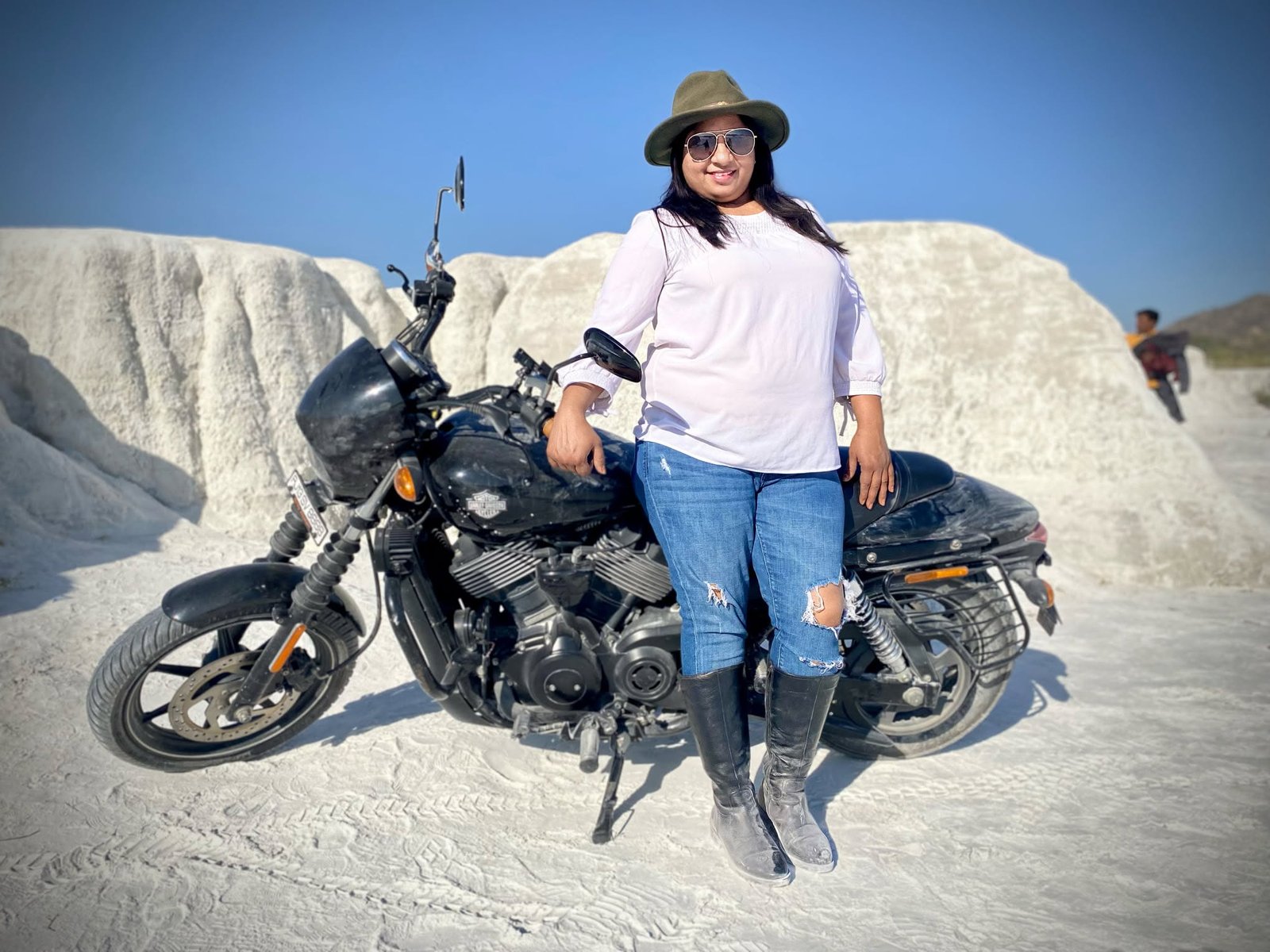
Before jumping into balancing drills, it is important to ensure both your motorcycle and your gear are set up correctly to maximize your control.
Bike Setup
- Tyres: Verify your tyre pressure matches the manufacturer’s recommendations; under-inflated tyres make a bike feel heavy and sluggish.
- Mirrors: Adjust your mirrors so you can see behind you clearly without having to lean or twist your torso.
- Controls: Ensure your clutch lever is adjusted so your fingers can reach and modulate it comfortably without stretching.
Rider Setup
- Footwear: Wear flat, sturdy, protective riding boots that allow you to plant both feet firmly on the ground when stopped.
- Footwear: Wear flat, sturdy, protective riding boots that allow you to plant both feet firmly on the ground when stopped.
- Grip: Maintain a light, relaxed grip on the handlebars—holding on too tightly actually prevents the front wheel from making the micro-adjustments it needs to stay balanced.
Parking-Lot Drills Every Woman Should Master
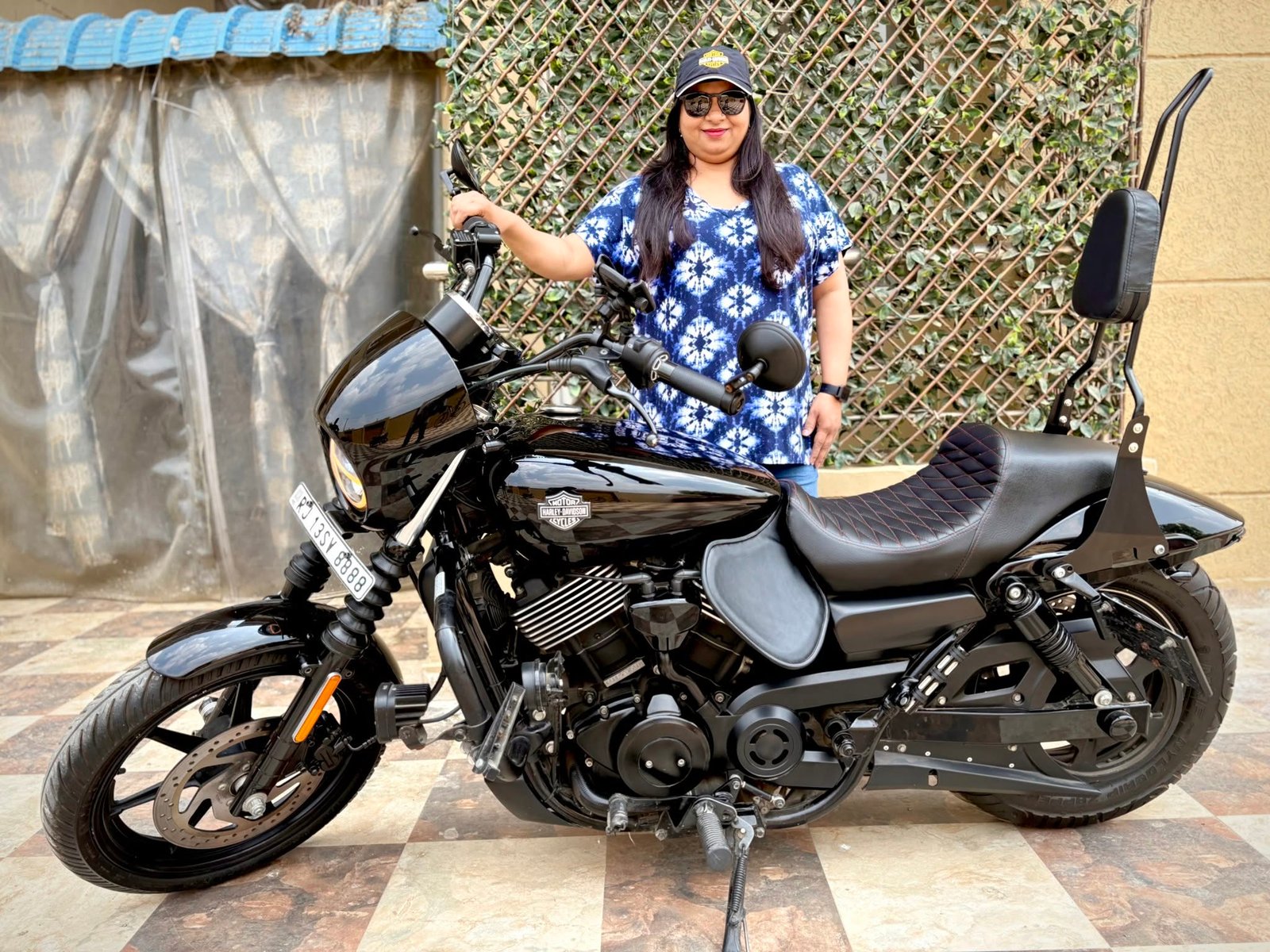
Drill 1: Walking Pace Ride
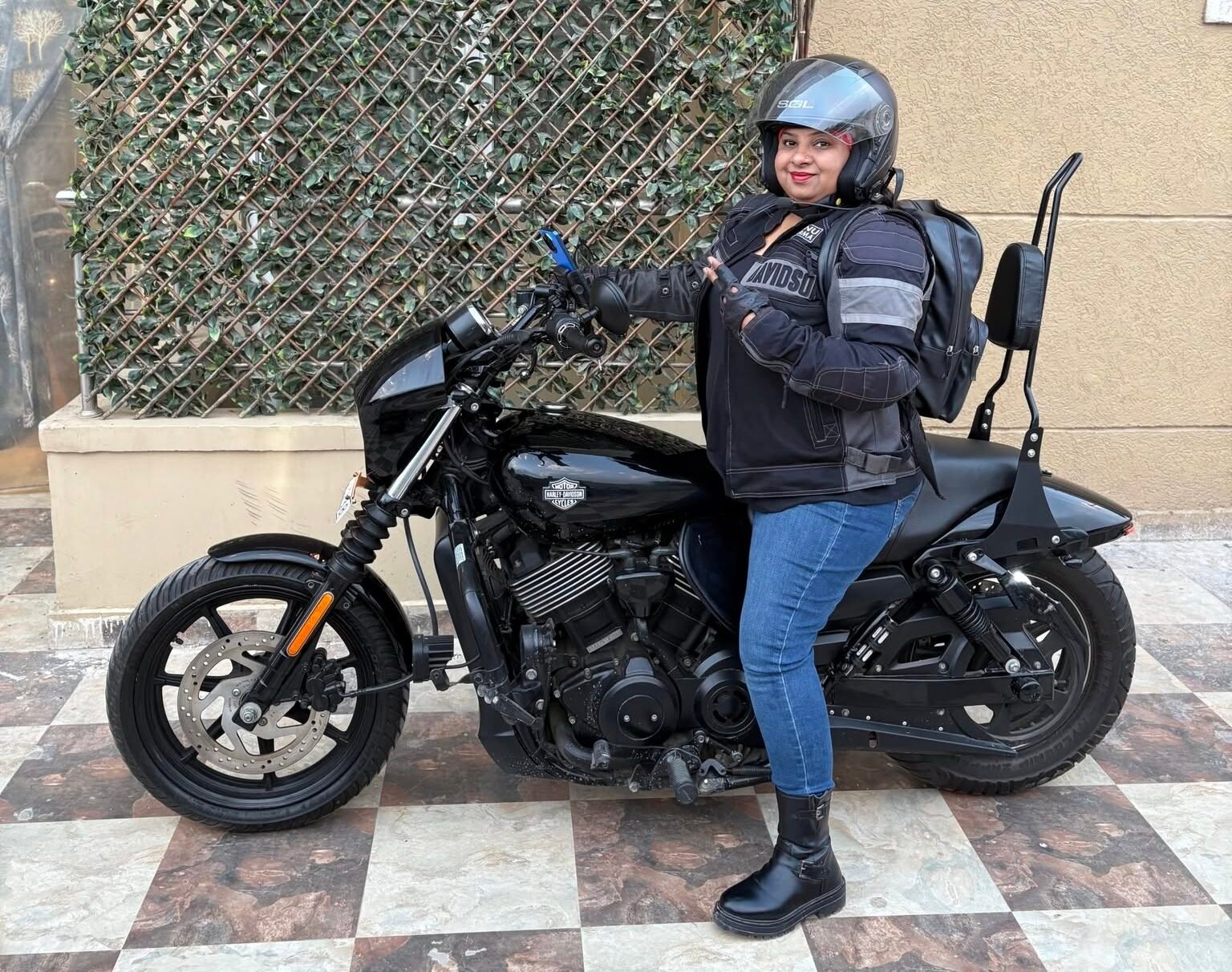
- Goal: Learn how to maintain balance at ultra-low speeds without relying on momentum.
- How to do it: Keep your feet up on the footpegs and challenge yourself to ride as slowly as a casual walking pace. Keep your eyes looking far ahead at the horizon rather than down at the ground.
- Why it helps: It builds deep trust in the bike's natural stability and helps eliminate panic reactions when traffic slows down to a crawl.
Drill 2: Friction Zone Control
- Goal: Master the exact point where your clutch engages to transfer power to the rear wheel.
- How to do it: Keep the engine revs steady, let the clutch lever out halfway into its "friction zone" (the area where the bike starts to pull forward), and gently apply a tiny bit of rear brake to control your speed. Avoid opening the throttle wide open.
- Why it helps: It ensures smooth, predictable starts, prevents jerky forward movements, and makes managing a heavy motorcycle incredibly easy.
Drill 3: Straight-Line Balance Drill

- Goal: Improve your chassis stability and tracking.
- How to do it: Ride slowly in a perfectly straight line across the parking lot. Use your rear brake lightly to anchor the back of the bike while keeping your head up.
- Common mistake: Staring directly down at the front wheel, which causes the bike to weave and wobble.
Drill 4: Figure-8 Drill

- Goal: Train your coordination and smooth lean transitions.
- How to do it: Imagine or mark out two tight, connected circles on the ground. Ride through them in a continuous figure-8 pattern, turning your head completely to look through the turn while slightly counterbalancing your body weight outward.
- Why it’s powerful: It trains your hand-eye coordination, builds turning confidence, and removes the classic fear of making sharp U-turns on narrow roads.
Do & Don’t List for Women Buying Their First Harley

Do's
- Do spend dedicated time practicing your controls in wide, empty parking lots.
- Do wear full safety gear—including a helmet, gloves, and riding pants—every time you practice.
- Do take frequent breaks to rest your muscles and keep your mind sharp.
- Do celebrate small wins, like completing a tighter turn or staying upright at a slower speed than yesterday.
Don'ts
- Don't compare your progress to more experienced riders; everyone learns at their own pace.
- Don't rush your U-turns before you have fully mastered basic clutch control.
- Don't practice balancing drills when you are physically tired or mentally exhausted.
Pros & Cons of Slow-Speed Balance Training
Pros
- Builds practical, real-world confidence for handling heavy traffic and tight spaces.
- Drastically reduces the likelihood of accidental low-speed bike drops.
- Dramatically improves your overall control and comfort on heavy cruisers.
Cons
- Can feel repetitive or boring during your first few practice sessions.
- Requires a lot of patience and self-discipline.
- Progress is gradual and develops through consistent muscle memory over time.
Comparison Table
| Skill Area | ❌ Untrained Rider | ✅ Trained Rider |
|---|---|---|
| U-Turns | Wide, hesitant, unstable | Smooth, tight, confident |
| Traffic Stops | Wobbly and anxious | Controlled and balanced |
| Bike Handling | Stiff arms and tense posture | Relaxed body and fluid control |
| Confidence | Fear of dropping the bike | Ready for any road condition |
FAQs
How long does it take to improve motorcycle balance?
Is balancing harder on heavy bikes for women?
Can short women ride big motorcycles safely?
Should I use front brake at low speed?
What is the best speed to practice balance?
Final Thoughts