How Picking Up a Fallen Harley Matters

Even the most experienced riders can tip a bike over. Whether it happens in a tight parking lot, on an uneven gravel road, or during a sudden low-speed maneuver, dropping a heavy cruiser is simply a rite of passage. Knowing how to safely lift your motorcycle:
- Reduces risk of injury: Protecting your muscles and joints from unnecessary strain.
- Prevents additional bike damage: Minimizing fluid leaks or scraped chrome by getting the bike upright quickly.
- Builds rider confidence: Removing the underlying anxiety of being stranded alone.
- Helps in emergencies: Ensuring you can handle a tough situation out on the open highway.
Common Fears and Misconceptions
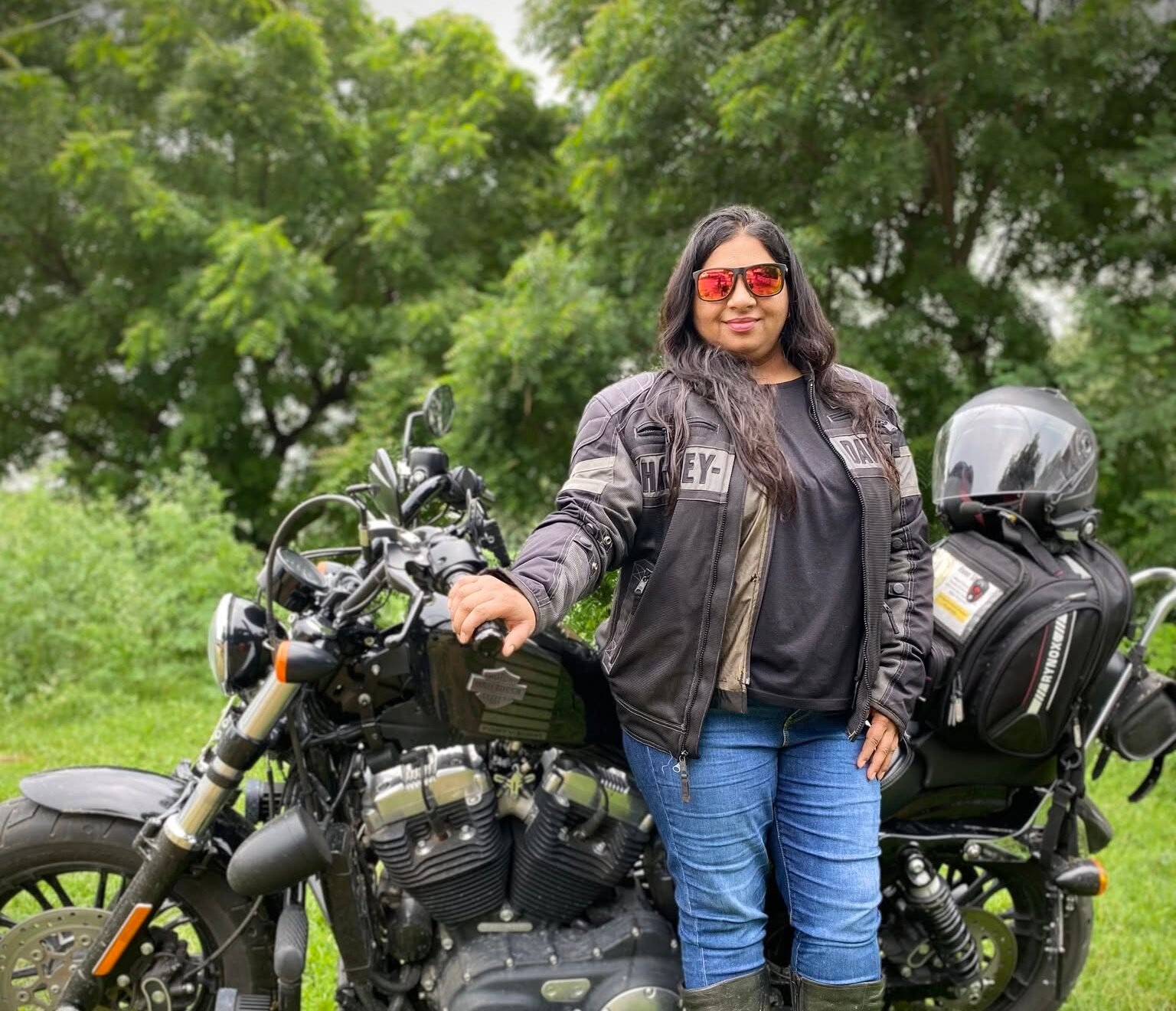
Many women assume they need superhuman muscle mass to handle a dropped cruiser. In reality, the physics of lifting a bike are highly misunderstood:
- Strength doesn’t matter: It is all about biomechanical leverage and technique, not raw muscle.
- Fear of injury is normal: Feeling intimidated is completely valid, but a proper lifting stance keeps your spine entirely safe.
- Bike weight is intimidating: A 300 to 400 kg Harley-Davidson sounds impossible to lift, but you are never lifting the entire deadweight at once—you are simply pivoting it back over its tires.
Do’s and Don’ts When Lifting a Fallen Motorcycle
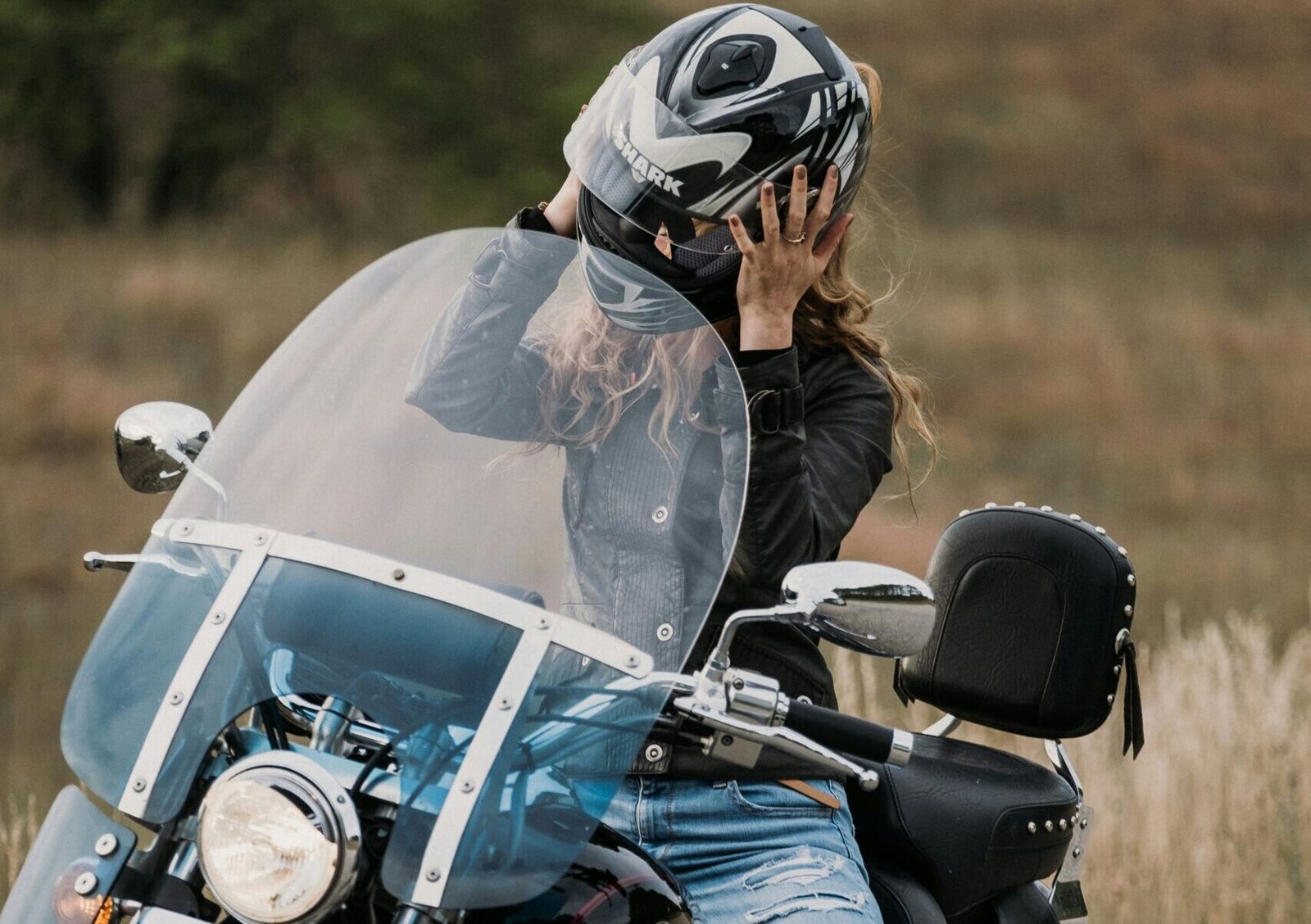
Do's
- Do assess your surroundings for moving traffic or loose gravel before attempting a lift.
- Do assess your surroundings for moving traffic or loose gravel before attempting a lift.
- Do use your legs and lower body leverage as the primary driving force.
- Do ask a friend to spot you or help out during your initial practice sessions.
Don'ts
- Don't attempt sudden, jerky, or explosive lifting movements.
- Don't ever lift with your back bent or your spine curved.
- Don't panic or rush; taking an extra 30 seconds to breathe prevents costly mistakes.
Step-by-Step Guide to Lifting a Harley
Before you begin, make sure the bike is in gear so it won’t roll away while you lift it. If the bike has fallen on its right side, fully extend the side kickstand first so the bike catches safely once it’s upright.
| Step | Action | What to Do |
|---|---|---|
| 1️⃣ | Position Yourself | Back against the seat, feet shoulder-width apart, spine straight. |
| 2️⃣ | Grip Securely | Hold the low handlebar and a solid frame or passenger peg mount. |
| 3️⃣ | Lift With Legs | Look ahead, keep your back straight, and drive through your heels. |
| 4️⃣ | Use Leverage | Take small backward steps and let leverage raise the motorcycle. |
| 5️⃣ | Secure the Bike | Set it on the kickstand and confirm stability before letting go. |
Comparison Table: Strength vs. Technique
| Factor | ❌ Brute Strength | ✅ Leverage Technique |
|---|---|---|
| Injury Risk | High | Low |
| Effort Required | Very High | Moderate |
| Bike Damage Risk | Higher | Lower |
| Confidence | Low | High |
| Practicality | Limited | Excellent |
FAQs
Do I need to be strong to lift a Harley?
A: No, proper leverage and technique matter far more than raw upper-body strength. Once you learn how to use your legs to push against the weight, the bike comes up surprisingly easily.
Can I practice alone safely?
A: It is highly recommended to practice with a friend or spotter nearby for the first few times. To practice without scratching your chrome, place a thick old mattress, heavy blanket, or soft gym mats underneath your bike’s engine guards on a flat grass surface.
How do I avoid back injuries?
A: Never bend forward at the waist to pull the bike up with your arms. By turning your back to the motorcycle, keeping your spine straight, and driving backward using your leg muscles, your back remains entirely protected from strain.
Is it okay to lift with one hand?
A: No. Always keep two solid contact points on the motorcycle—one hand on the low handlebar to control the front wheel, and one hand on a secure frame member to push the chassis evenly.
How often should I practice?
A: Practicing once or twice a year in a controlled environment is an excellent way to maintain muscle memory. Developing this physical intuition ensures that if you ever drop your bike on a busy road, you can react calmly and efficiently without panicking.
Conclusion
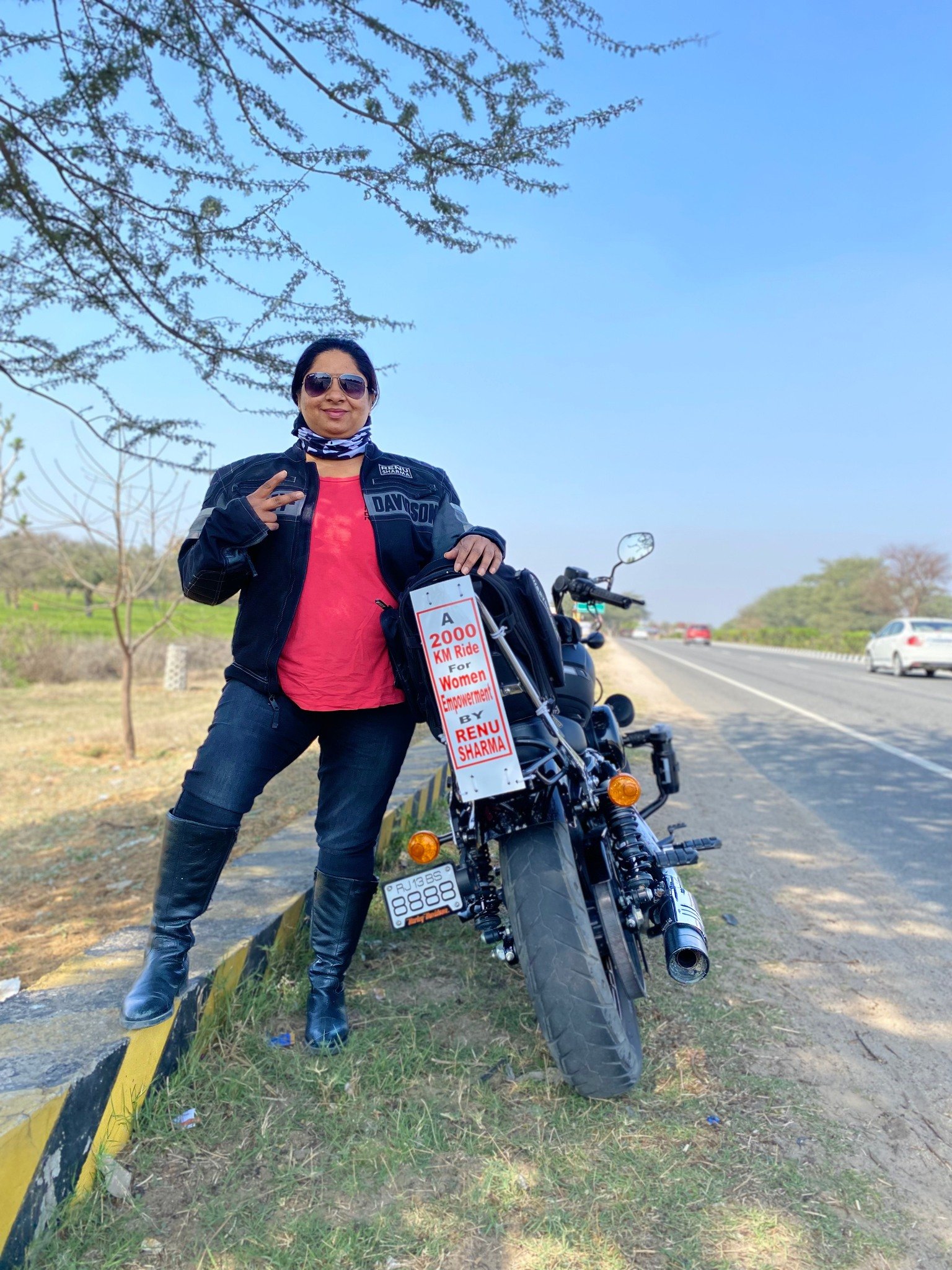
Lifting a fallen Harley is more about skill than strength. By practicing regularly, following proper technique, and focusing on leverage, women riders can safely handle even heavy motorcycles. Start small, practice in safe conditions, and you’ll build confidence for real-world situations.