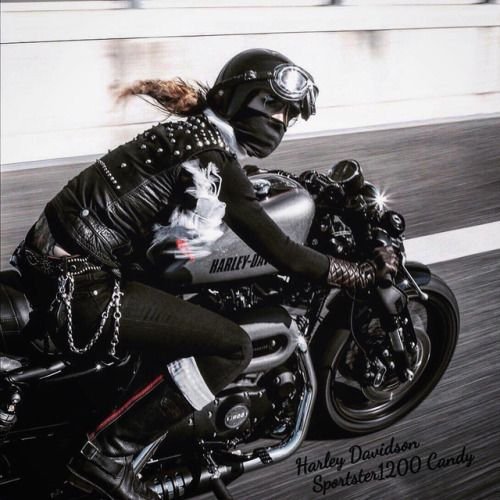
how women can prepare mentally for long motorcycle rides
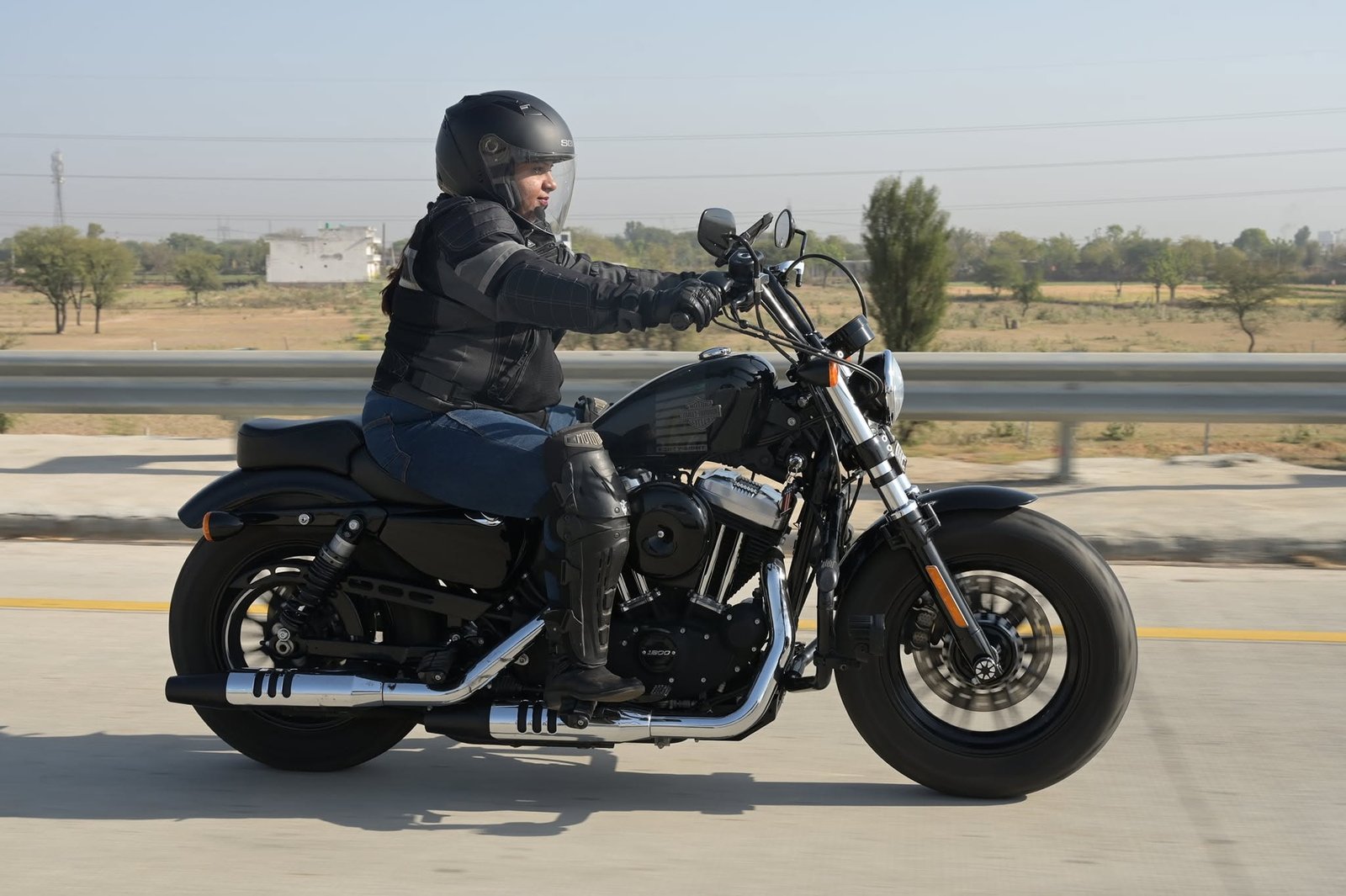
Here is a truth that many women riders don’t hear often enough: long-distance motorcycle riding is 70% mental and 30% physical.
You don’t need extreme muscle strength to crush a 400 to 600 km journey. What you actually need is sharp focus, emotional control, and the ability to make calm choices under pressure. While physical tiredness is real, mental fatigue is what usually leads to mistakes—like missing a turn, braking too late, or panicking in traffic.
Preparing your mind is just as important as fueling up your bike. Let’s dive into how you can build a rock-solid riding mindset.
Common Mental Challenges Faced by Women Riders
- "What if I get tired too early in the trip?"
- "What if highway traffic panics me?"
- "What if I stall or make a mistake and everyone watches?"
- "Am I really strong enough for this?"
If these thoughts cross your mind, remember that facing fear is not a sign of weakness. The goal isn’t to become completely fearless; it’s to learn how to ride confidently alongside that fear.
The Psychology of Long-Distance Riding
When you spend hours on the road, your brain enters a continuous loop of heavy sensory input and repetitive motion. Without active mental management, your mind can easily drift, overthink, or start to feel overwhelmed.
Experienced riders don’t just have a trained throttle hand—they have a trained riding mindset that keeps them anchored in the present moment
Simple Meditation Techniques for the Road
Meditation doesn’t require sitting cross-legged on a mat. For a motorcyclist, meditation simply means achieving mental clarity through steady breathing.
1. The Pre-Ride 5-Minute Warm-Up
- Sit comfortably and close your eyes.
- Inhale deeply for 4 seconds, then exhale slowly for 6 seconds.
- Map out the journey in your head, visualizing yourself navigating the roads smoothly and safely.
2. On-Ride Micro Resets
- Consciously unclench your jaw.
- Drop your shoulders to release tension.
- Take two deep, grounding breaths.
Focus Techniques to Stay Sharp for Hours
- Visual Anchor: Keep your eyes looking far down the road, scanning for changes.
- Physical Anchor: Feel the steady vibration of the engine through your feet.
- Auditory Anchor: Listen to the rhythmic sound of the wind around your helmet.
How to Handle Fear and Uncertainty
- Name the Emotion: Silently telling yourself, "I’m feeling a bit nervous right now, and that’s completely okay," instantly takes away the power of panic.
- Focus on the Process: When "what-if" thoughts arrive, replace them with actionable steps. Shift your internal dialogue from "What if I lose control?" to "Brake smoothly. Hold a steady line. Breathe."
Building Riding Confidence Step-by-Step
Your Pre-Ride and Mid-Ride Routines
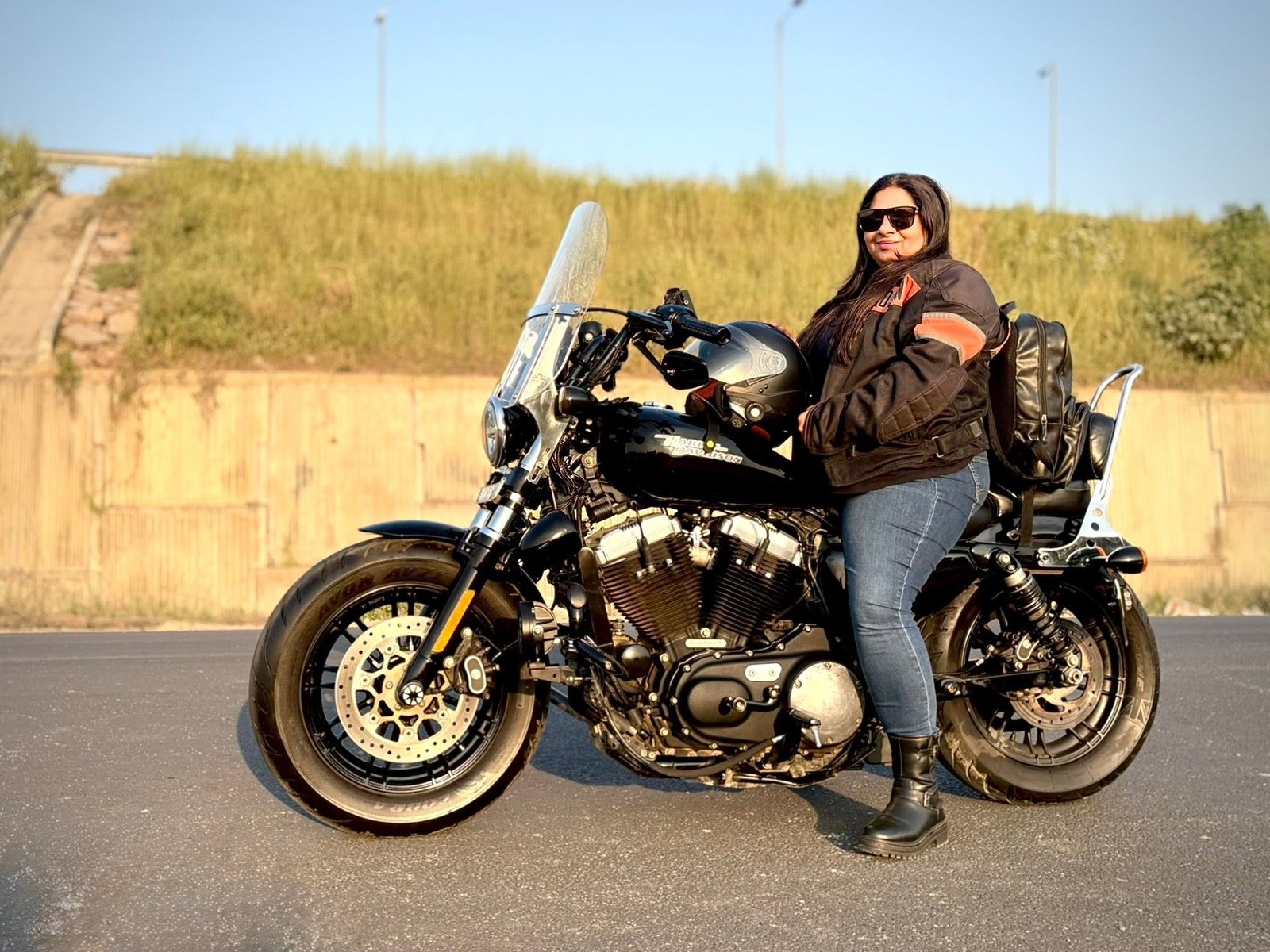
- I will ride at my own comfortable pace.
- I will pull over and stop whenever I need a break.
- I have absolutely nothing to prove to anyone else.
- Smooth riding is safe riding.
The 90-Minute Reset
Quick Do's and Don'ts for Mental Readiness
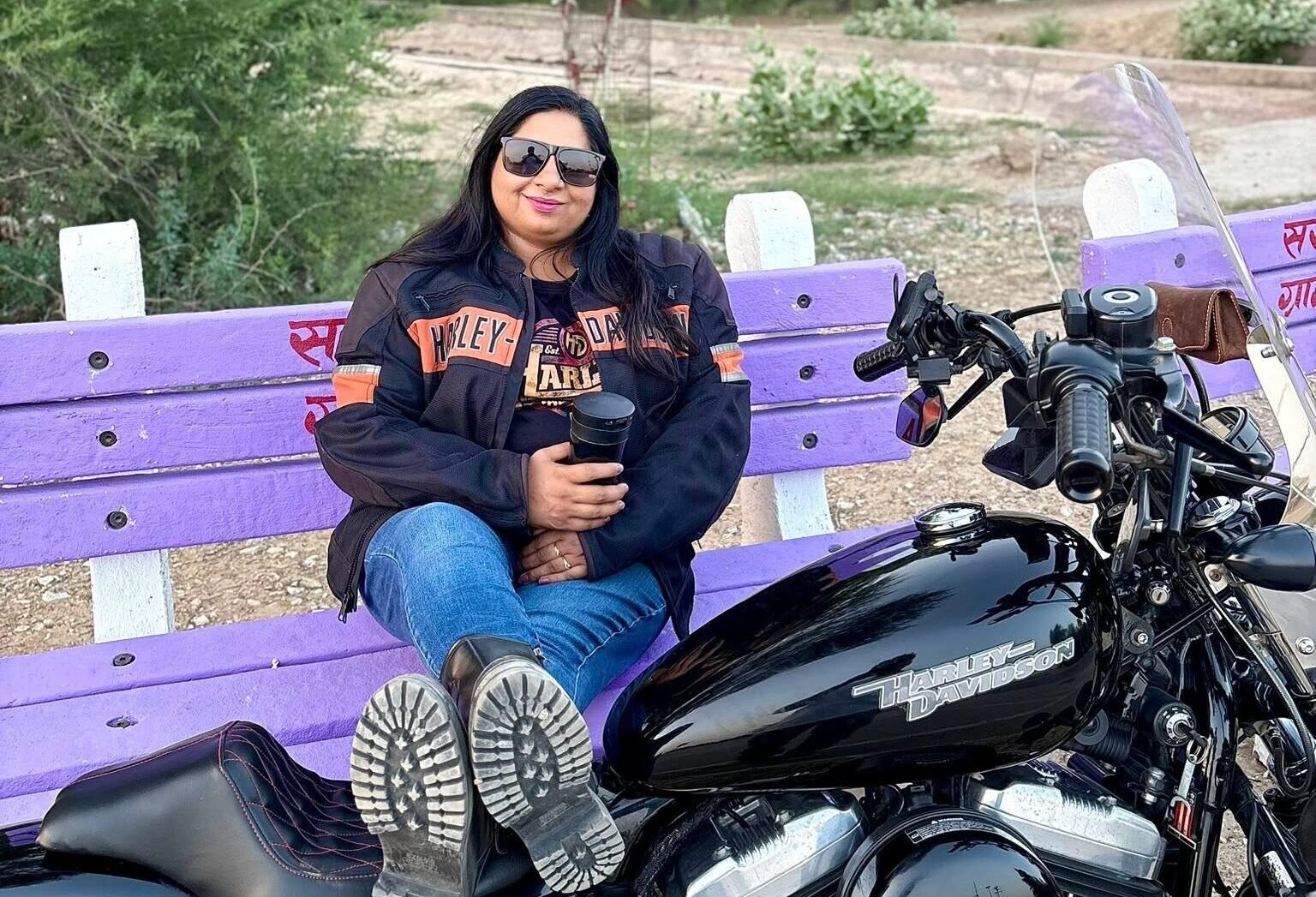
Do's
- Do prepare your mind just like you check your bike.
- Do stick to your personal comfort speed.
- Do take regular, scheduled mental breaks.
- Do celebrate small distance milestones.
Don'ts
- Don't compare your riding pace to others.
- Don't suppress your fears or pretend they aren't there.
- Don't ride when you are emotionally upset or angry.
- Don't ignore early signs of mental fatigue.
FAQs
Is it normal to feel scared before a long ride?
Does brief mindfulness really help on a motorcycle?
How do I build up confidence for solo long-distance rides?
Final Thoughts: Confidence is a Learnable Skill