Why Indian City Riding Feels Harder for Women
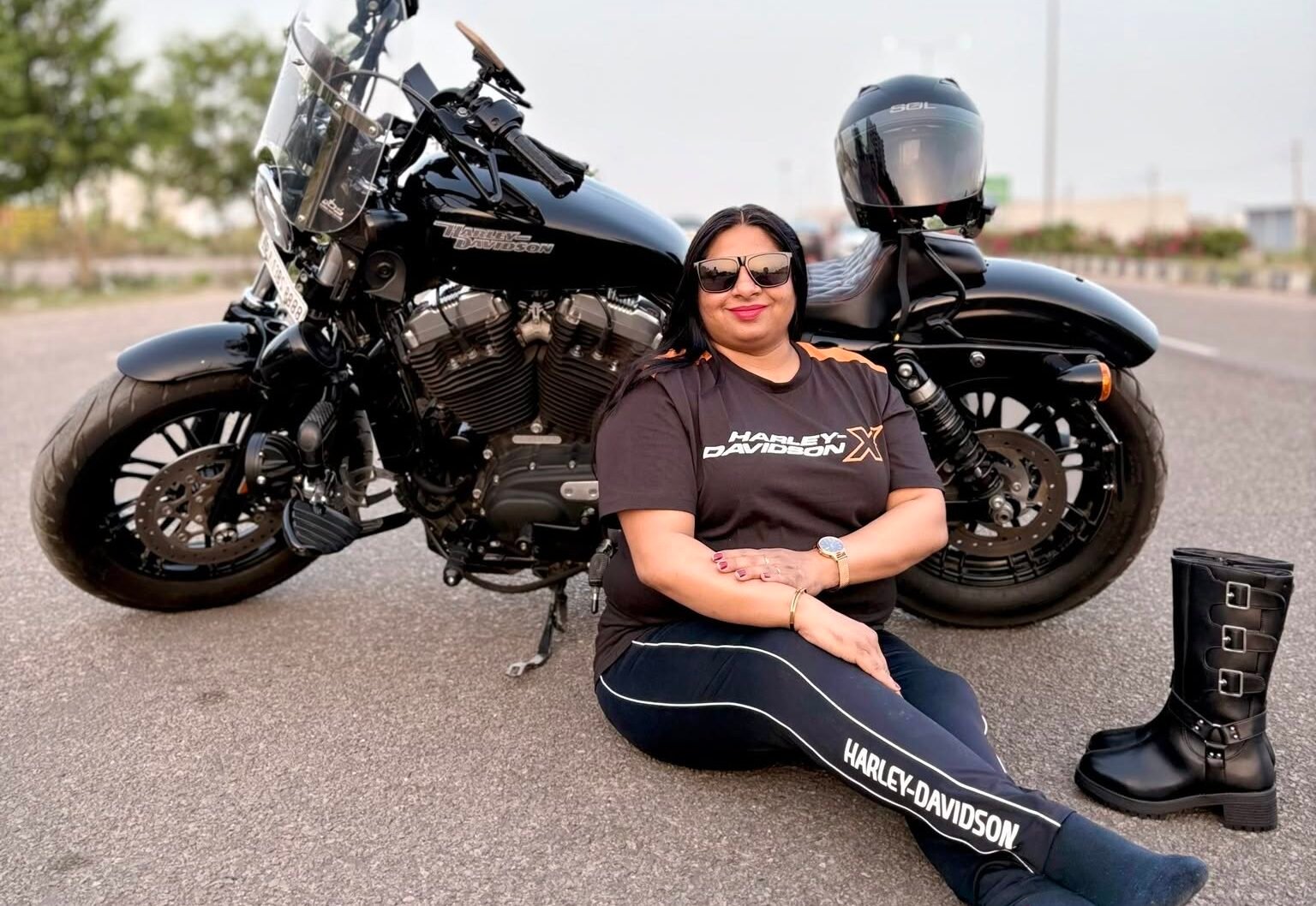
- Unwanted staring, lingering looks, or unsolicited comments at traffic signals.
- Intense pressure from impatient tailgaters and aggressive honking from vehicles behind.
- The lingering anxiety of dropping a heavy, top-heavy motorcycle during low-speed maneuvers.
- An incredibly tight physical margin for error in chaotic, stop-and-go traffic jams.
The Right Mindset Before Entering Traffic
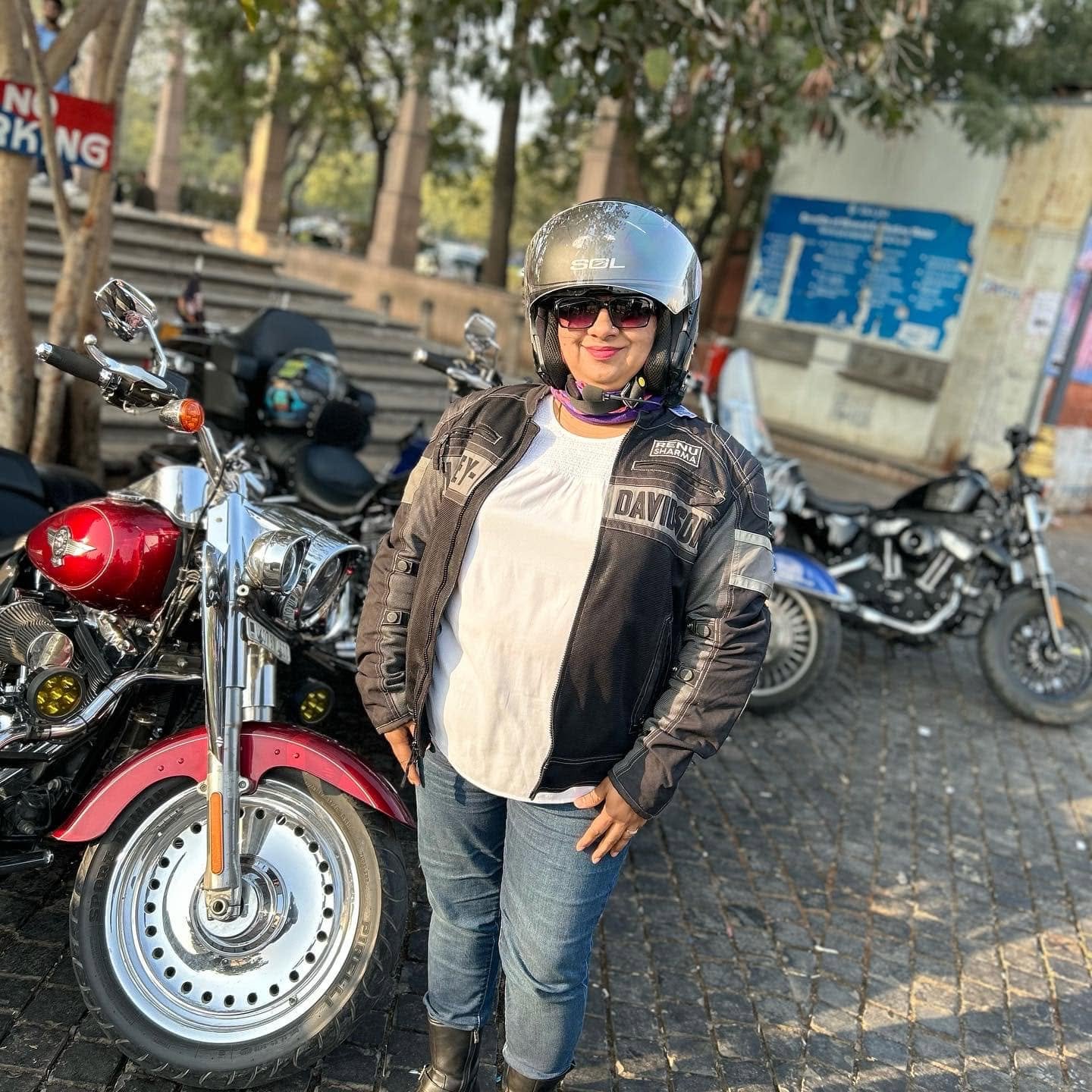
- You do not need to rush under any circumstances.
- You do not need to match the erratic, aggressive pace of the commuter riders around you.
- You do not owe anyone speed, and you shouldn't feel pressured to yield your space unsafely.
Think of urban riding strictly as a game of controlled navigation rather than performance riding.
🧠 Words from the Wise: “A calm rider makes better decisions than a fast one.” — Harley-Davidson Riding Instructor, India
Lane Discipline: Where Women Riders Should Position
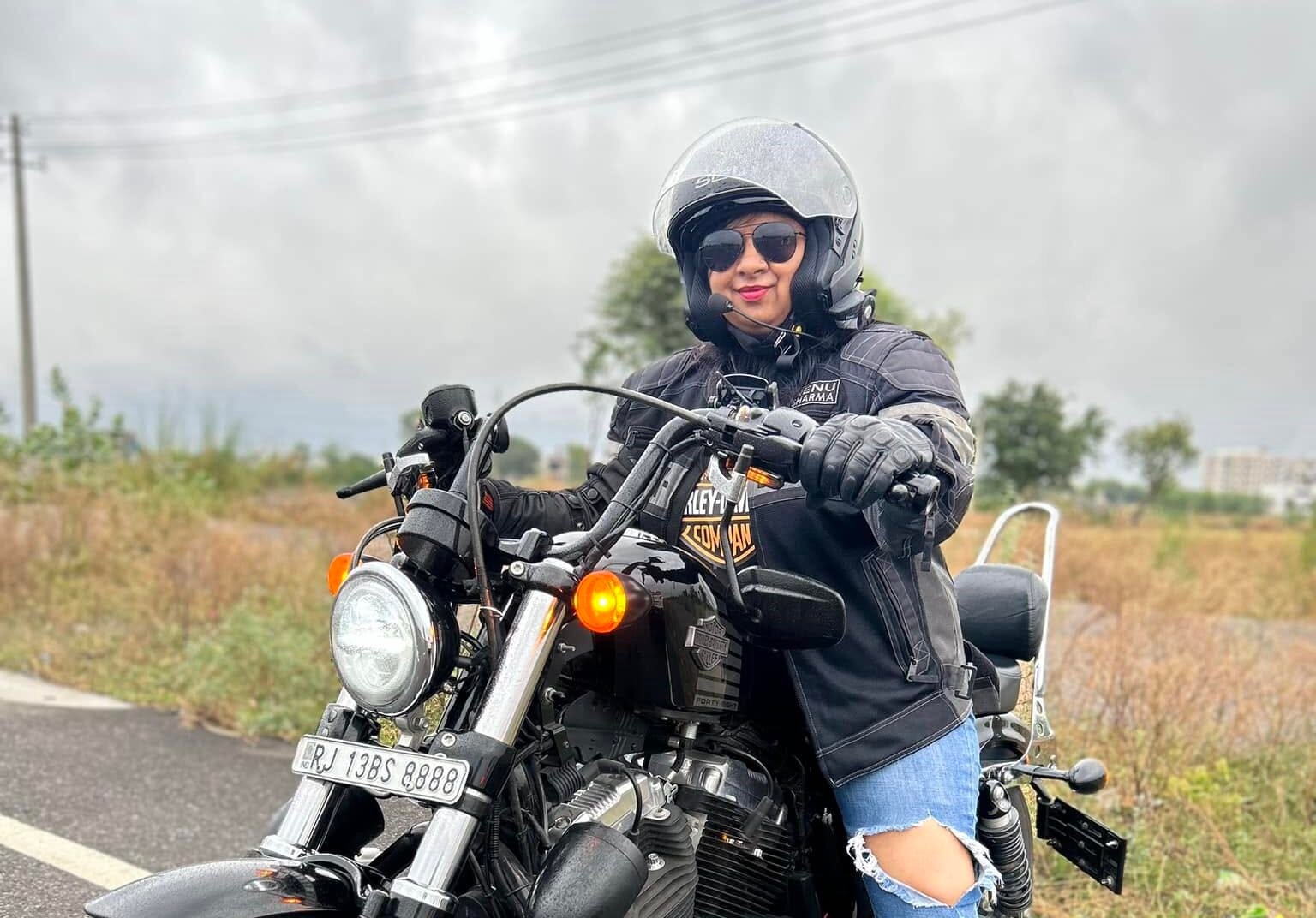
Lane discipline in India isn’t about staying perfectly centered between painted white lines—it is entirely about maximizing your visibility and securing active escape routes.
To maintain the safest possible footprint on city streets, position your motorcycle slightly to the right of the lane center.
Why This Position Works
- Avoids the Left-Side Trap: Hugging the extreme left edge of the road exposes you to walking pedestrians, unannounced parked vehicles, opening car doors, and sudden merges.
- Avoids Right-Side Overtaking Chaos: Staying out of the absolute farthest right edge keeps you clear of oncoming traffic headlamps and hyper-aggressive overtaking maneuvers.
- Maximizes Mirror Visibility: This specific sweet spot places you squarely in the rearview mirrors of the cars directly ahead of you.
- Guarantees a Swerve Zone: It gives you a built-in cushion of space to swerve if a vehicle abruptly cuts you off, ensuring you are never completely boxed in by auto-rickshaws or commuter bikes. The Golden Rule: Never ride into a pocket of traffic w
- The Golden Rule: Never ride into a pocket of traffic without actively leaving yourself an exit strategy.
Mastering Mirror Usage
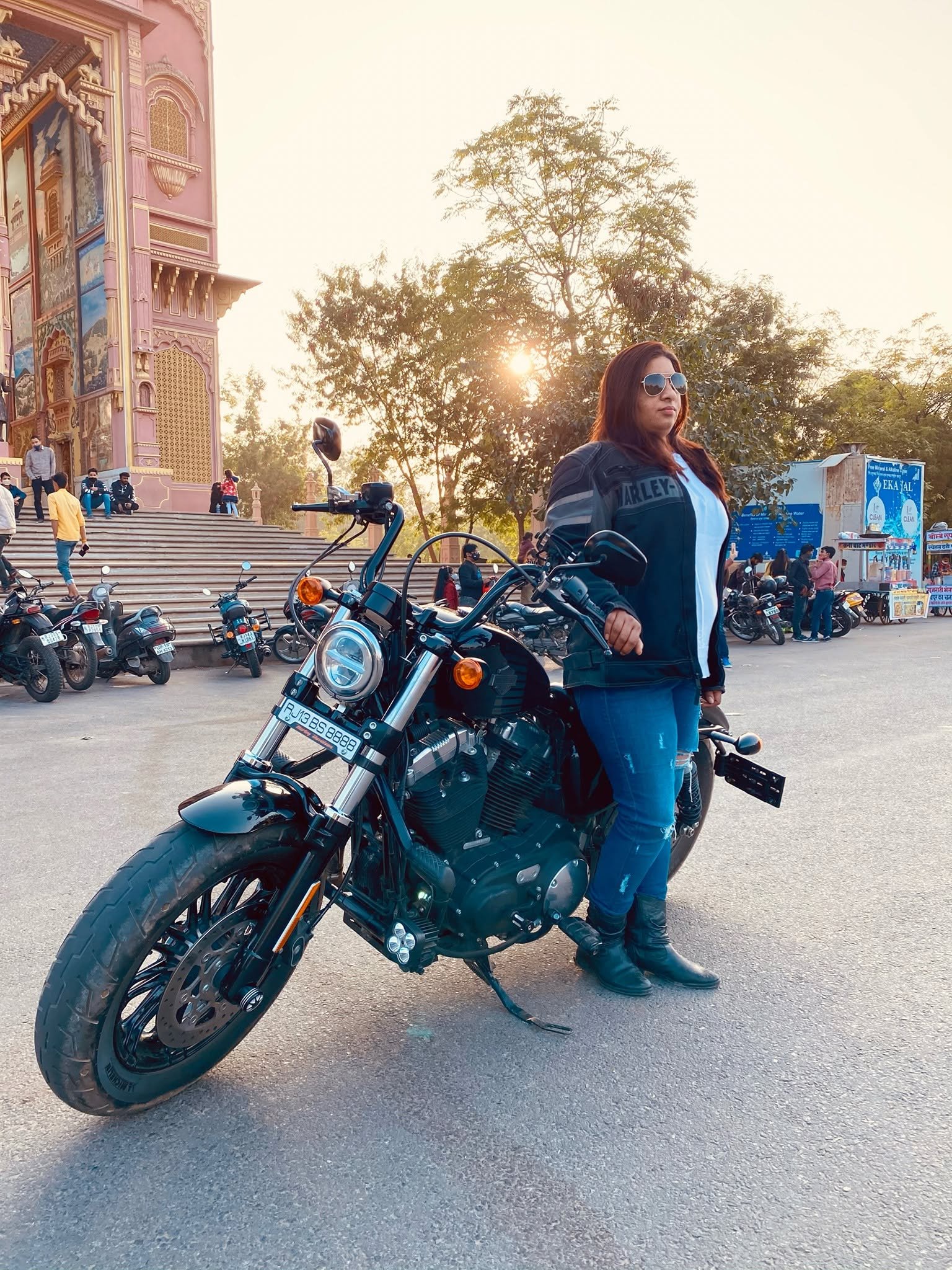
How Women Riders Should Leverage Their Mirrors
- Train your eyes to take a quick, deliberate glance every 5 to 7 seconds.
- Always check your mirrors right before you apply your brakes to ensure the vehicle behind isn't tailgating too closely.
- Perform a definitive mirror check prior to making even a minor change to your lane position.
The Common Mistake to Avoid: Staring or gazing into the glass for too long. Your mirrors require a swift glance, not a prolonged stare.
Pro Tip: Angle your mirrors slightly further outward than usual. This eliminates the blind spots created by aggressive riders who try to lane-split too close to your rear fender.
Defensive Riding Techniques That Actually Work
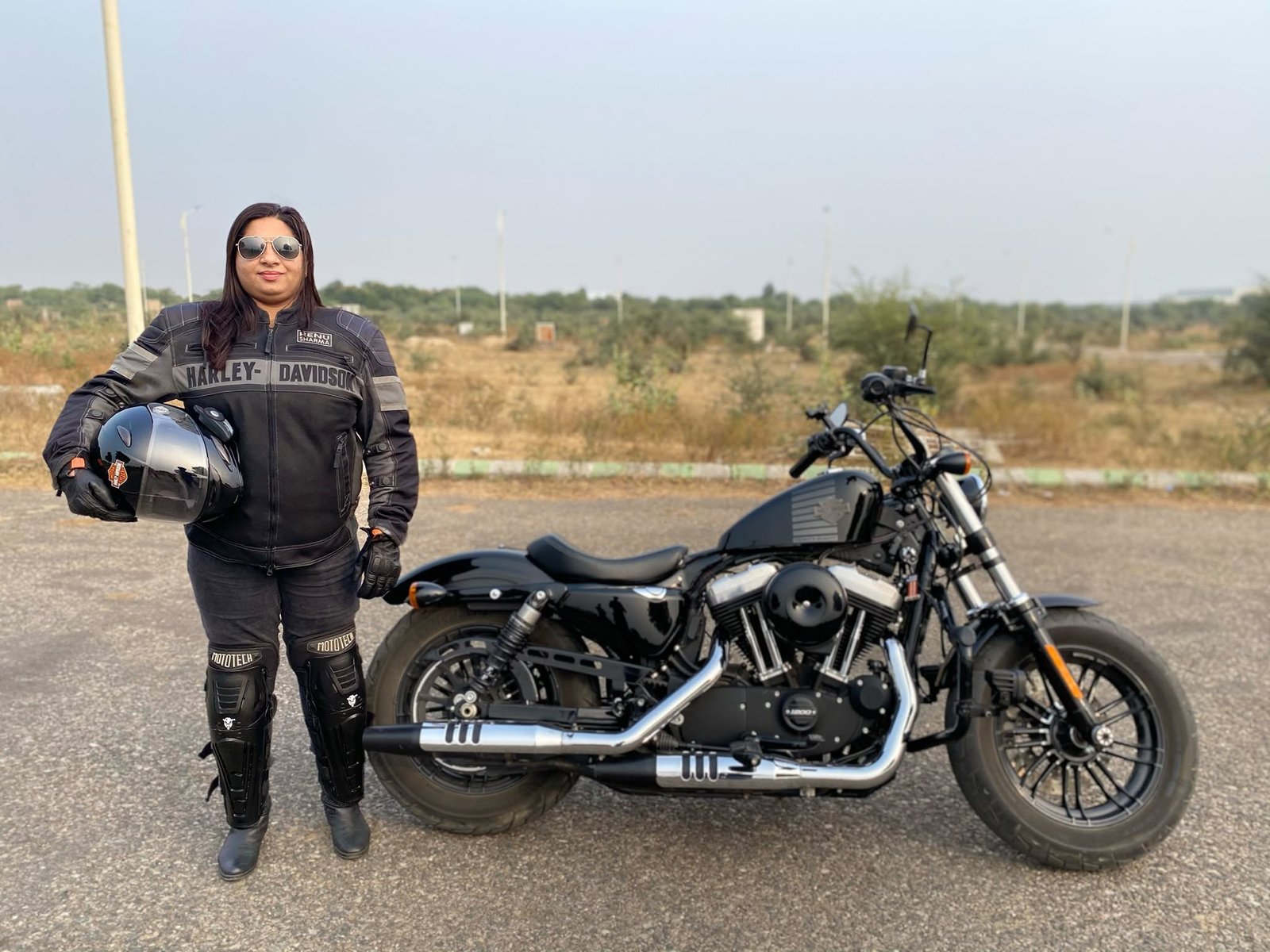
Core Defensive Habits to Build
- Cover the Brake: Keep two fingers lightly resting over your front brake lever and your right foot hovering over the rear brake pedal in tight traffic to shave precious milliseconds off your reaction time.
- Maintain a 2-Second Buffer: Keep a minimum two-second gap between your front tire and the bumper ahead, even at walking speeds.
- Avoid Side-by-Side Riding: Never cruise directly parallel to another vehicle's cabin. Either accelerate smoothly past them or drop back to stay out of their blind spots.
Handling Indian Traffic Behaviors
Auto-Rickshaws
- Expect sudden, unannounced stops the moment a pedestrian raises a hand on the sidewalk.
- Never ride directly behind an auto-rickshaw; their narrow chassis blocks your view of potholes and road debris.
- Overtake them decisively and cleanly, or drop back and give them space.
Buses & Trucks
- Avoid their expansive blind spots, particularly along the left side and directly behind the rear wheels.
- Never attempt to race them or squeeze past them at tight junctions or roundabouts.
- Expect incredibly wide turns that can easily pinch you against the median if you try to sneak inside.
Two-Wheelers
- Assume commuter bikes and delivery riders will cut across lanes continuously without using indicators.
- Maintain a generous physical buffer zone around them at all times.
- Never engage in petty ego battles or competitive riding; stay entirely detached.
Slow-Speed Control in Congested Roads
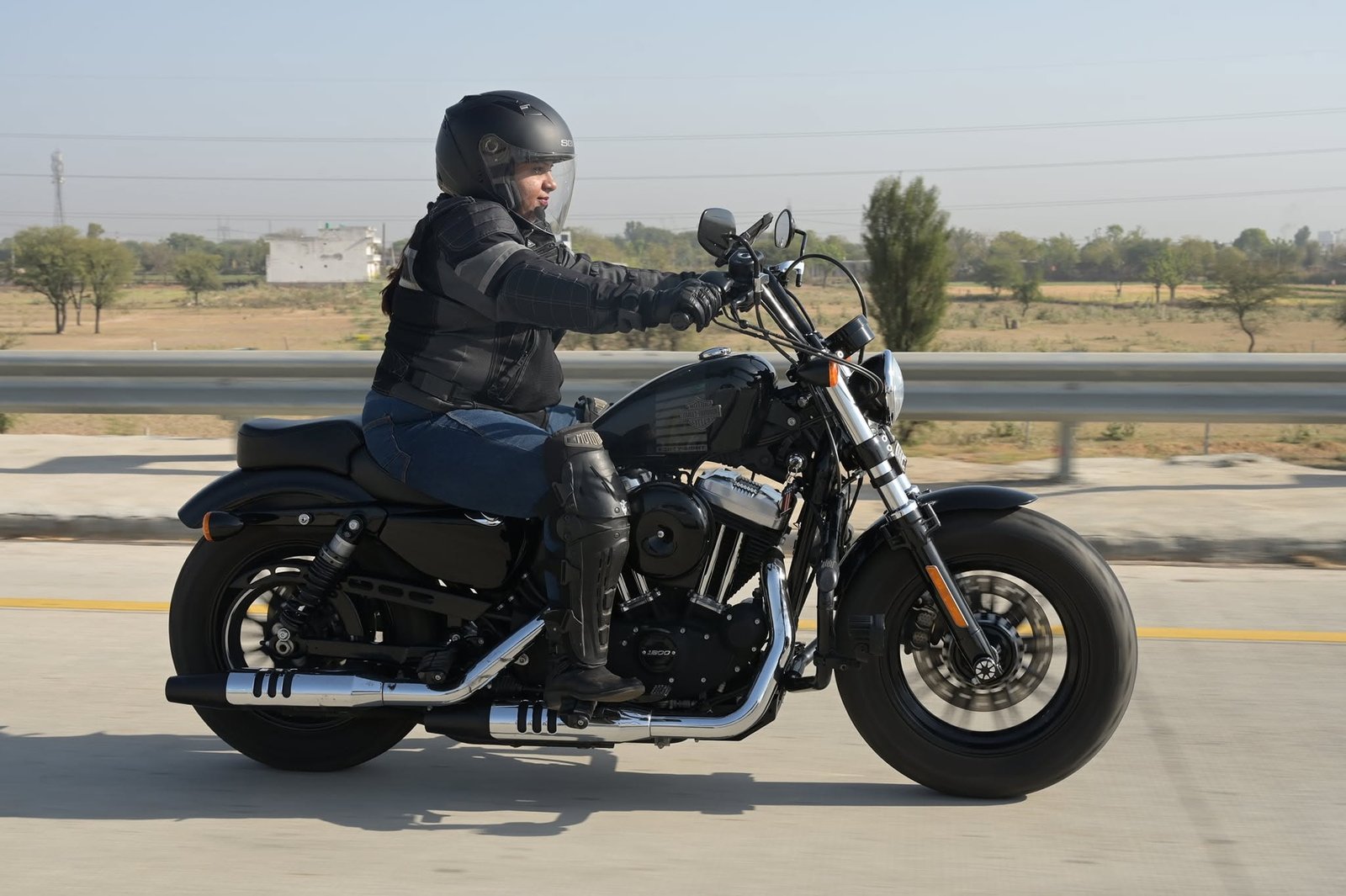
The vast majority of motorcycle drops don’t happen at high highway speeds—they happen at crawling speeds below 10 km/h when balance becomes unstable. To keep a heavy Harley rock-solid in bumper-to-bumper traffic, use this exact mechanical combination:
- Slight Throttle: Maintain a steady, low, and smooth engine RPM.
- Partial Clutch: Slip the clutch smoothly within its friction zone to control your actual forward momentum.
- Light Rear Brake: Lightly drag your foot on the rear brake pedal. This creates stabilizing tension through the chassis and dampens the bike's tendency to tip or sway at walking speeds.
Perfecting Your Body Position
Traffic Signals, Junctions & U-Turn Safety
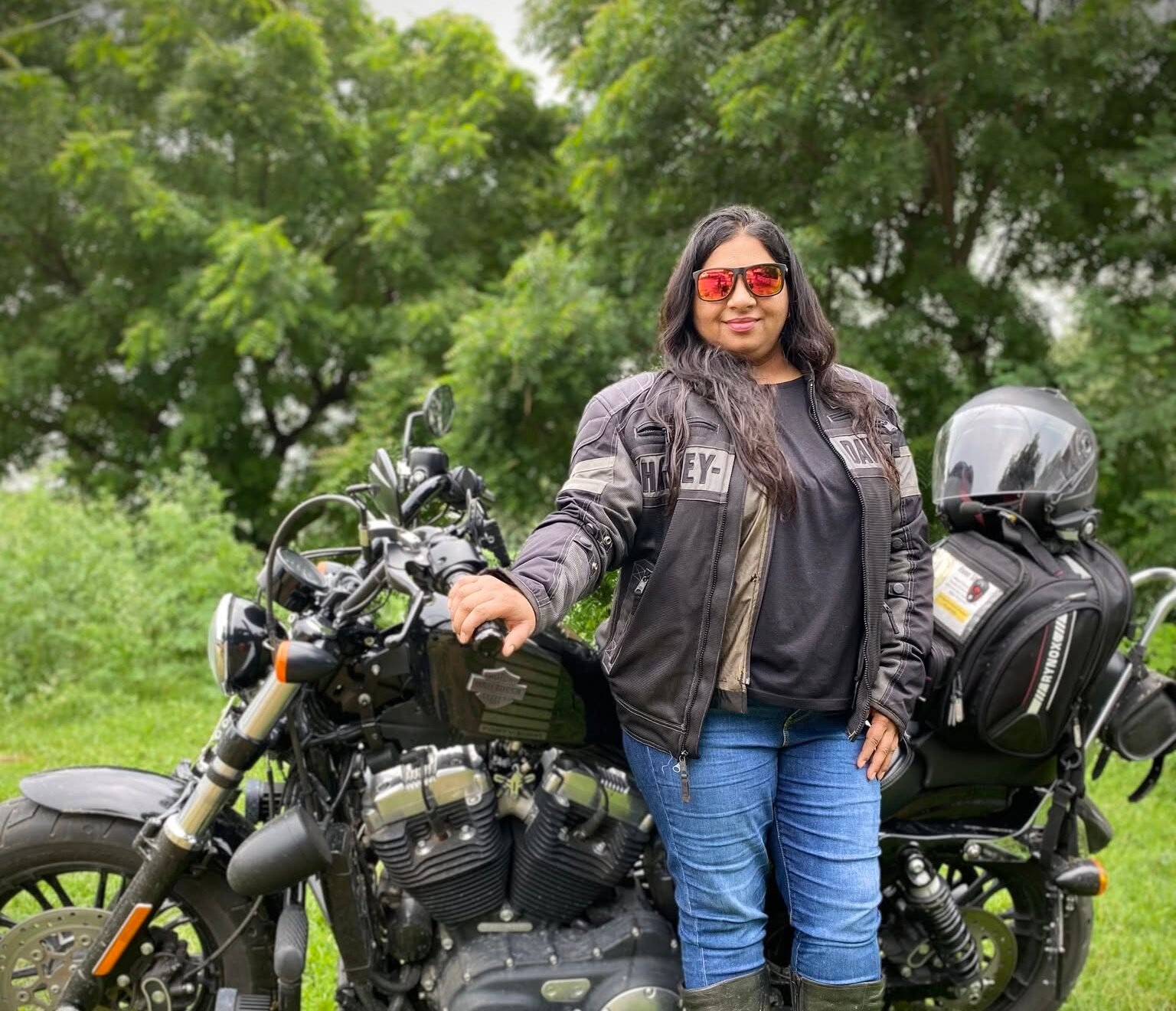
Managing Traffic Signals
Navigating Clean U-Turns
Gear Choices That Improve City Safety
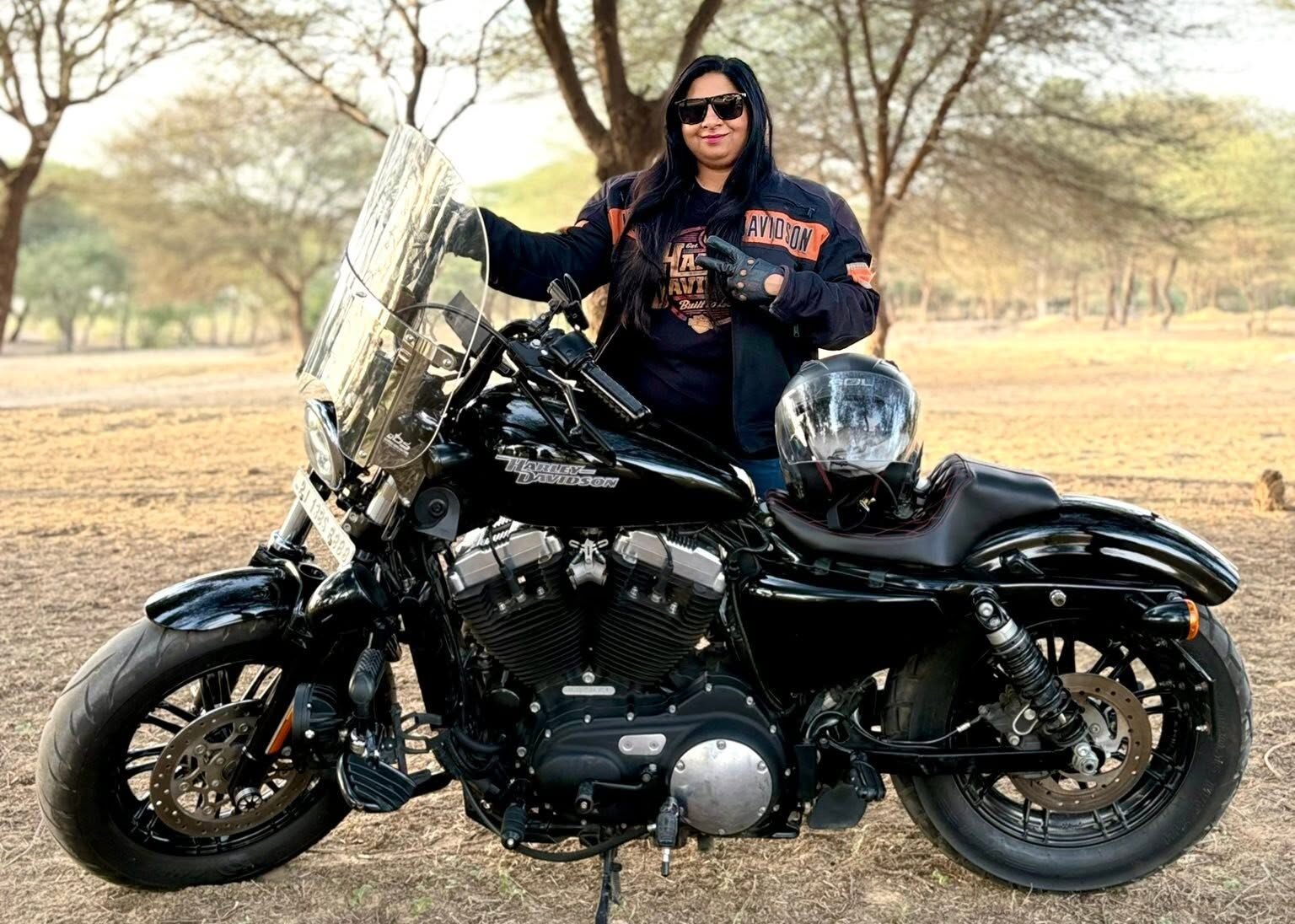
- Lightweight Armored Mesh Jackets: Offer maximum airflow to combat intense engine and ambient street heat while keeping your elbows, shoulders, and spine completely protected.
- High-Tactile Riding Gloves: Prevent sweat from making your hands slick, ensuring a secure, non-slip grip on heavy clutch and brake controls.
- Ankle-High Riding Boots: Provide a rugged grip on oil-slicked, dusty, or uneven tarmac, ensuring your feet won't slip when you plant them down at a stoplight.
- Wide-Vision Helmets: Opt for a helmet with a panoramic eye-port that maximizes your peripheral vision so you can spot filtering two-wheelers early.
Traffic Signals, Junctions & U-Turn Safety
Managing Traffic Signals
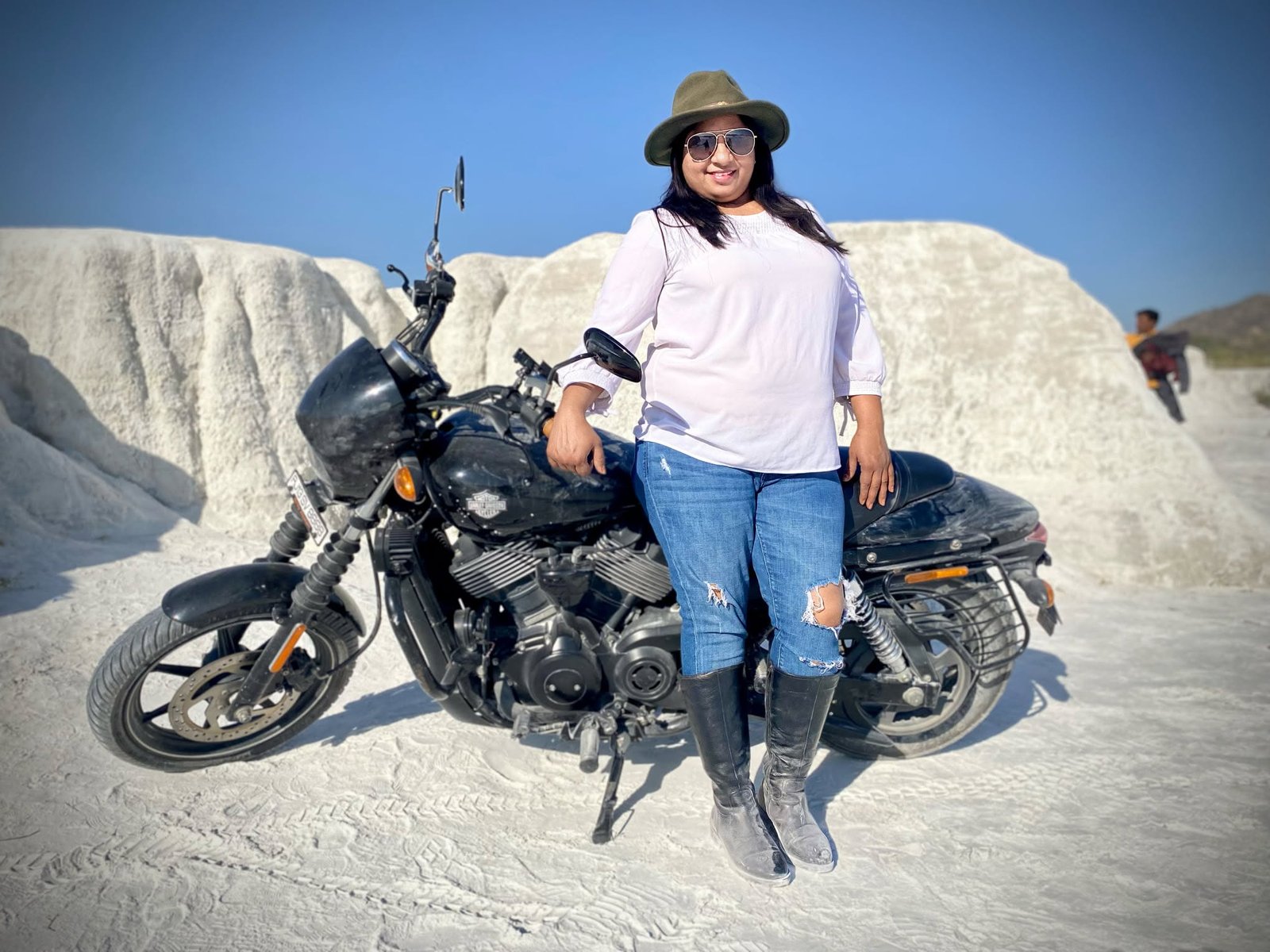
- Commanding Road Presence: The sheer size and distinct exhaust note of a Harley demand respect, causing other motorists to naturally yield more space.
- Incredible Low-End Stability: The low seat height and low-slung engine weight offer remarkable balance once you master the friction zone.
- Superb Braking Systems: Premium, heavy-duty braking components bring the heavy machine to a stop predictably.
- Accelerated Confidence: Successfully managing a premium cruiser through urban traffic rapidly sharpens your overall riding skills.
The Cons
- Intense Engine Heat: Air-cooled V-twins radiate significant heat when idling at prolonged standstills.
- Constant Public Attention: Being a woman on a premium motorcycle naturally draws heavy curiosity and staring at every intersection.
- Demanding Skill Curve: Requires precise throttle, clutch, and rear-brake coordination to manage slow speeds smoothly.
Do’s and Don’ts for Women Harley Riders
Do
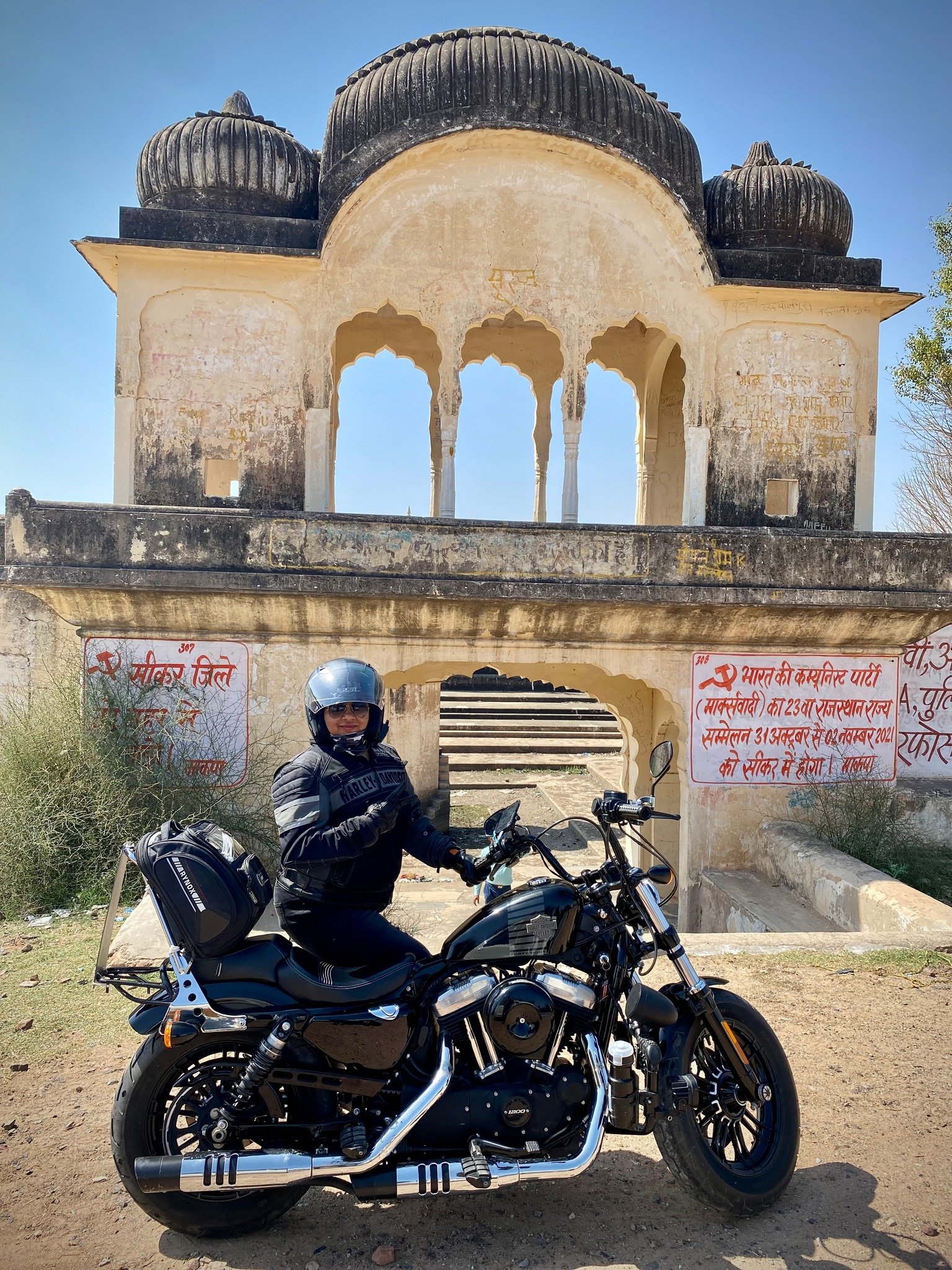
- Stick strictly to your personal comfort speed, regardless of traffic pressure.
- Claim your space proudly in the lane; don't hide yourself away in the gutters.
- Pull over and take a short break if you feel yourself becoming mentally or physically drained.
- Trust your baseline training, your muscle memory, and your machine's capabilities.
Don't
- Attempt to compete with, race, or block aggressive commuter riders.
- Let anger, frustration, or emotion dictate your throttle inputs and lane changes.
- Push through heavy physical or mental fatigue; urban riding requires 100% alertness.
- Ever feel the need to apologize to other motorists for taking up a full, safe lane profile.
Navigating the Streets
| Factor | The Reactive Rider | The Defensive Rider |
|---|---|---|
| Braking Habit | Late, sudden, and abrupt adjustments | Early, smooth, and highly predictable |
| Confidence Level | Shaky, easily startled, and anxious | Calm, calculated, and entirely composed |
| Bike Control | Inconsistent speed and jerky movements | Stable, balanced, and fluid low-speed crawl |
| Fatigue Rate | High mental drain and physical tension | Low physical stress and steady stamina |
| Safety Profile | Highly risky and vulnerable to surprises | Consistently high safety margin |
FAQs
Is a Harley-Davidson simply too heavy for chaotic city traffic?
Should beginner riders avoid city traffic entirely?
What should I do if my engine stalls in the middle of a busy intersection?
Is lane-splitting safe on a wide cruiser bike?
How long does it typically take before city riding feels entirely natural?
Ride Smart, Ride Proud
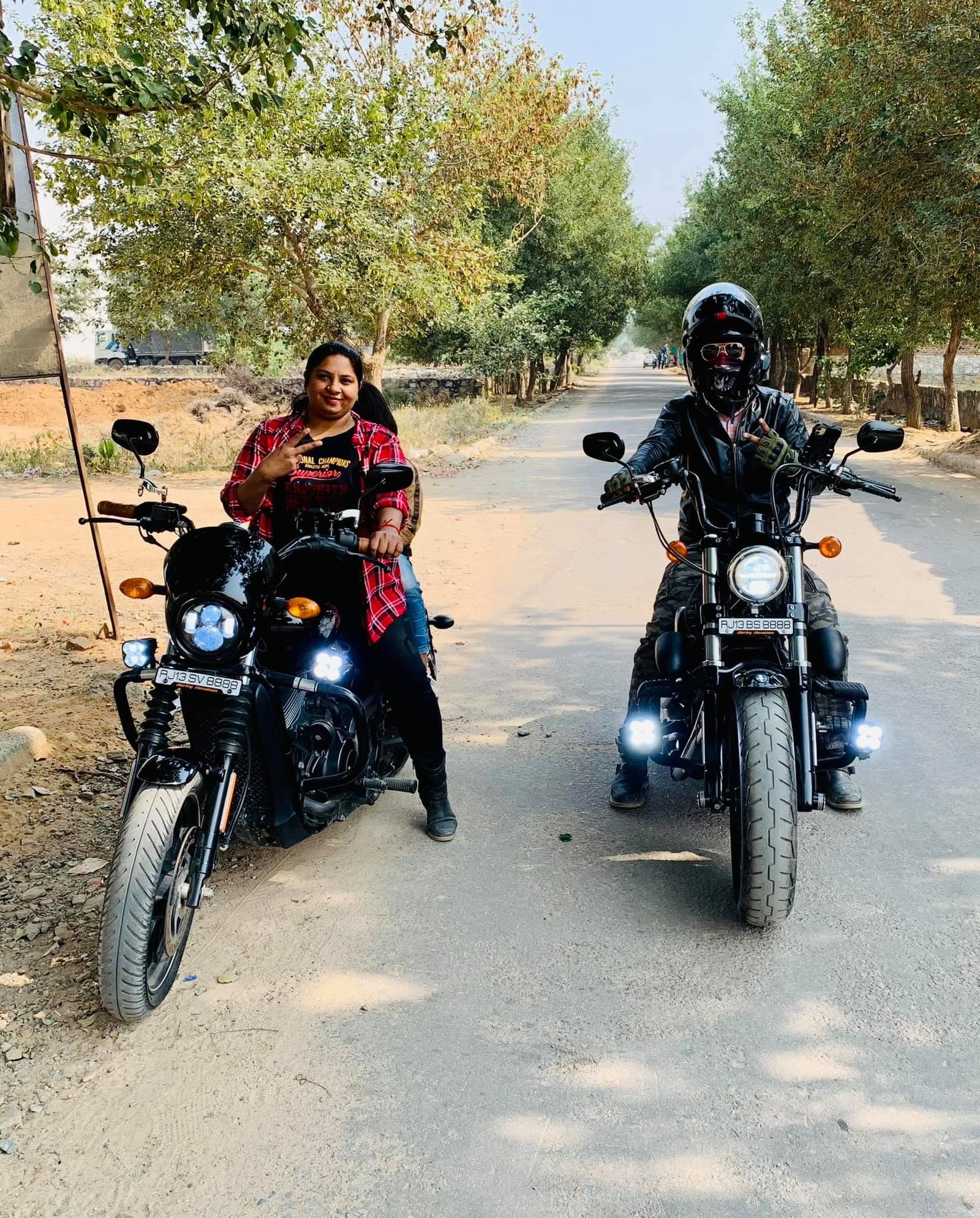
Indian traffic doesn’t test your physical strength; it tests your focus, your patience, and your tactical awareness. When a woman commands a Harley-Davidson through the heart of a chaotic city with poise, it sends an undeniable message—not just to the motorists watching from the sidelines, but to herself.
You can handle this. Start at your own pace, ride with defensive discipline, and let every single urban challenge sharpen your skills behind the handlebars. Treat the road with respect, claim your space with authority, and ride proud!