How Women Can Ride a Harley
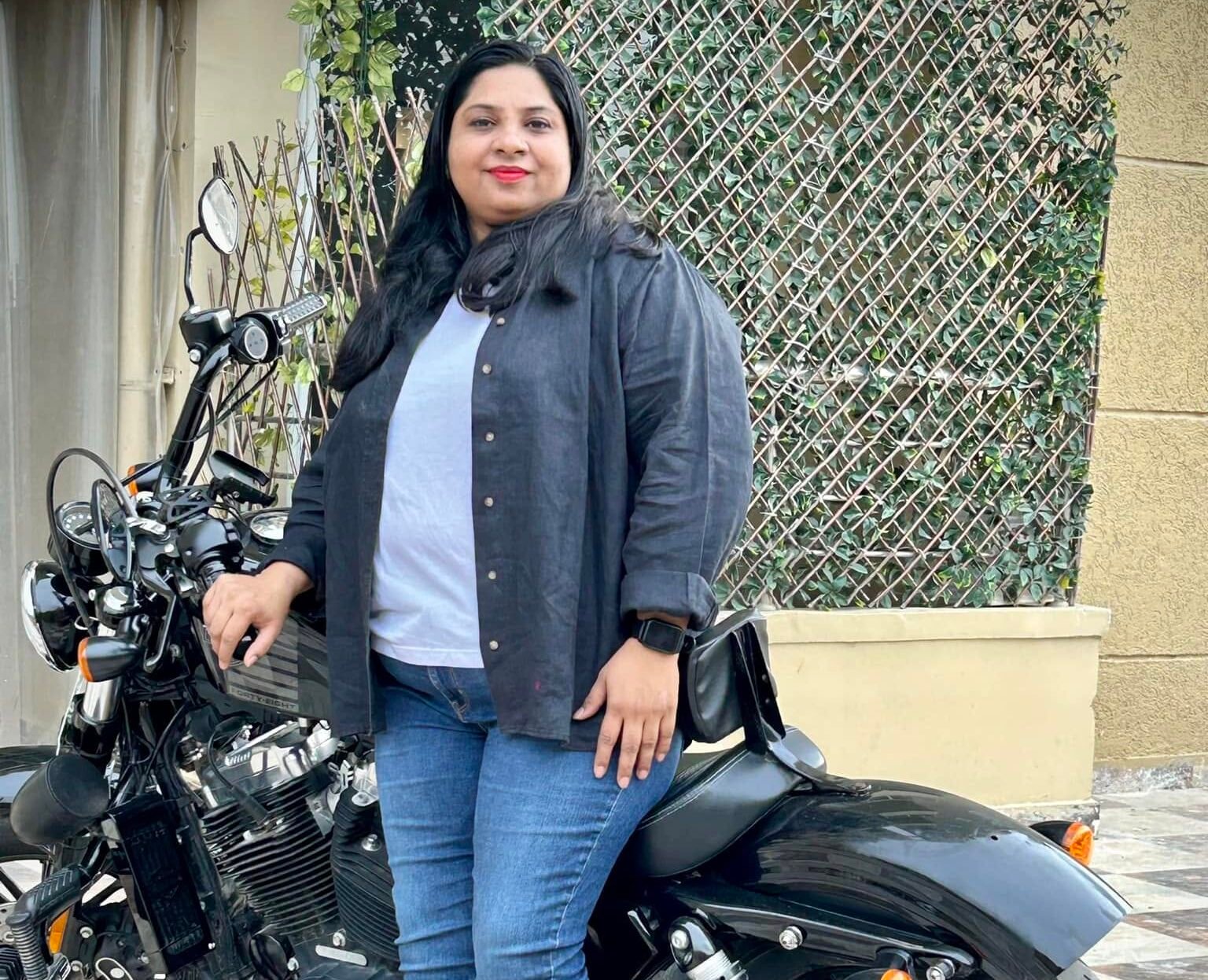
A Harley-Davidson motorcycle is an incredible machine, but it isn’t a lightweight, step-through scooter. It features exposed mechanical belts, wide footpegs, extreme engine heat, and powerful torque.
When it comes to riding a cruiser, loose fabric doesn’t automatically mean danger—but unmanaged fabric does.
You do not need to change your personal style or abandon traditional Indian wear to enjoy your bike. The goal isn’t to change your outfit; the goal is to control it. Here is how to handle your wardrobe choices like a seasoned pro.
Understanding the Real Risks
Let’s separate myth from reality. Wearing traditional clothes or casual everyday wear isn’t inherently a bad idea, provided you understand how your motorcycle operates.
What is NOT a Risk
- Wearing a saree itself
- Taking your bike out for short city commutes
- Riding as a confident, self-reliant woman
Real Potential Fabric Hazards
- Moving Parts: Loose clothing ends getting caught in the drive belt or rear wheel.
- Extreme Heat: Fabric blowing against hot exhaust pipes and melting.
- Foot Controls: Wide pant legs or long hemlines hooking onto footpegs or rear brake levers, disrupting your balance when you try to put your foot down.
Riding a Harley in a Saree: Yes, It’s Possible
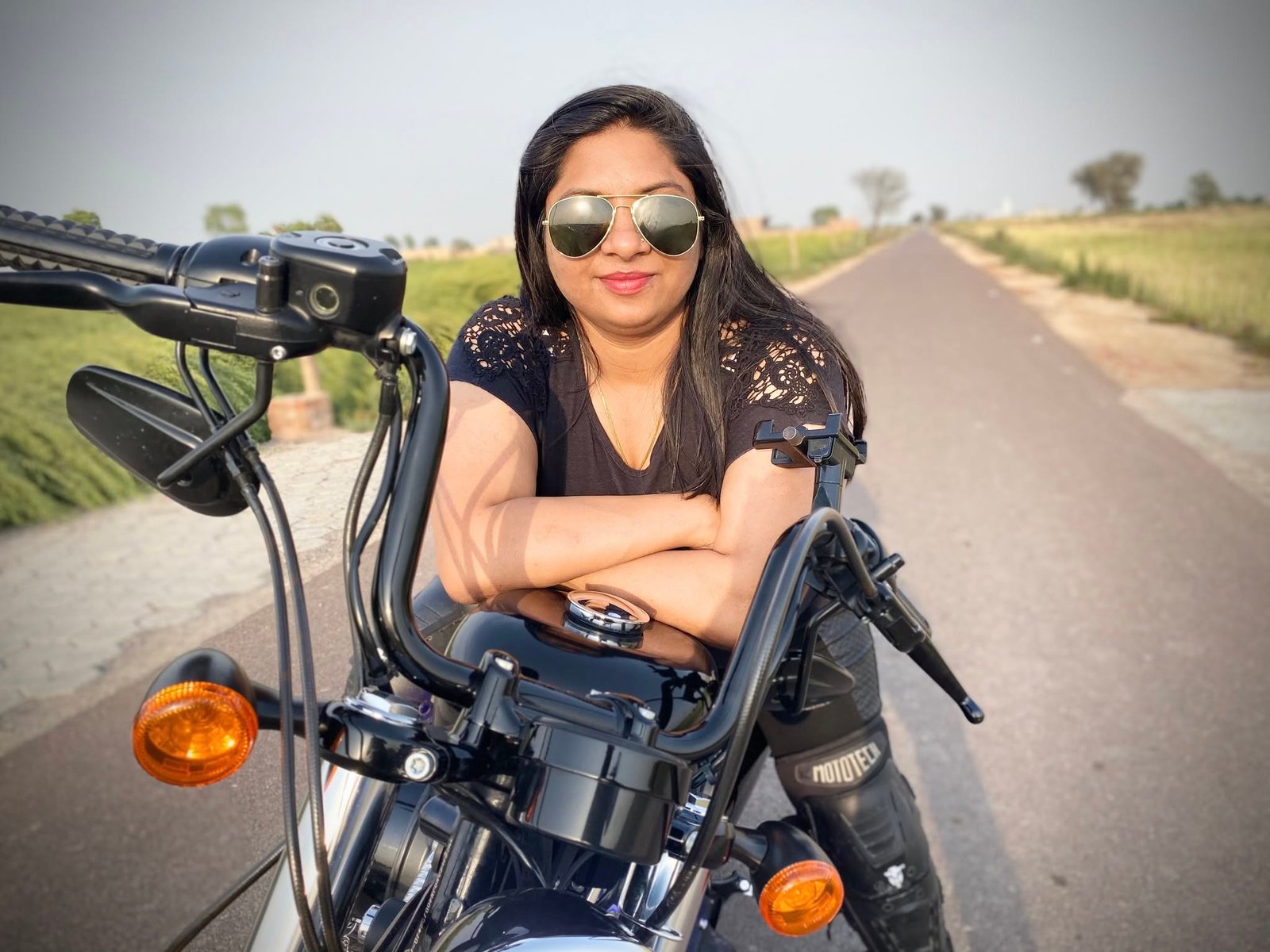
Women across India regularly ride heavy motorcycles in traditional attire for festivals, temple visits, weddings, and daily travel. You can absolutely do it, too, with a few smart adjustments.
Riding a Harley in a Saree: Yes, It’s Possible
- Stiff Cottons: These stay structured and do not flap aggressively in high winds.
- Lightweight Silk Blends: Easy to gather and manage without adding bulky weight.
- Shorter Pallus: Minimizes the amount of excess fabric you have to secure.
How to Secure Your Saree Before Starting the Engine
- Pin It Down: Gather the pallu tightly, wrap it around your waist, and secure it with heavy-duty safety pins.
- Clear the Right Side: Keep the loose folds of your saree draped strictly toward the left side of the bike, completely away from the hot exhaust pipe on the right.
- Install a Saree Guard: Ensure your motorcycle has a sturdy saree guard mesh over the left side of the rear wheel. It acts as an absolute barrier between your clothes and the spinning tire.
The Gold Standard for Daily Riding
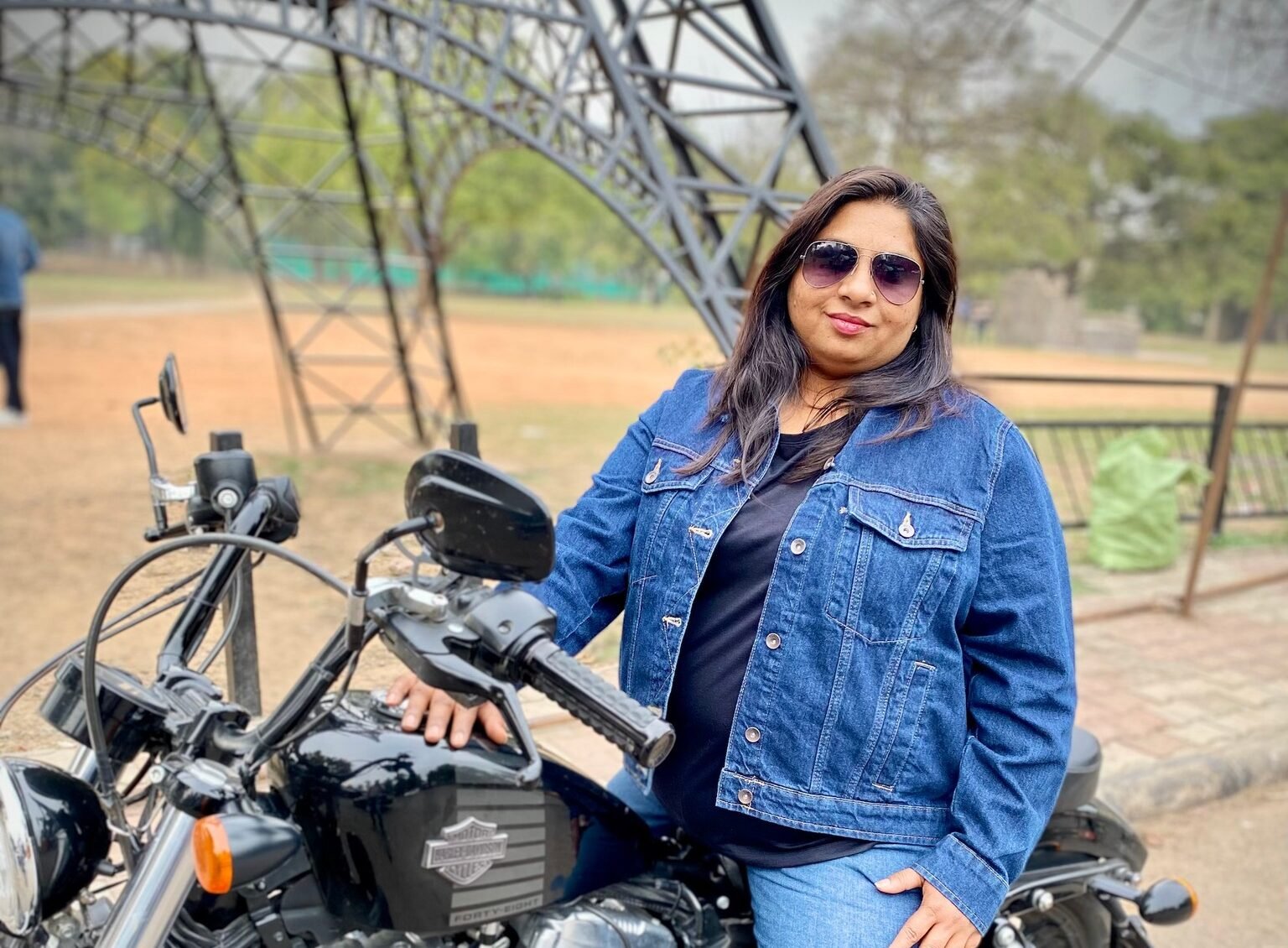
If motorcycle safety had a default setting, jeans would win every time. They offer great protection, clear movement, and a reliable grip against the seat leather.
- The Right Way: Wrists should look straight (not bent at odd angles), and elbows must remain flexible.
- Warning Signs: Shoulder blades burning, or fingers falling asleep.
- Easy Fixes: Look into reduced-reach handlebars, adjustable risers to pull the bars closer to you, or narrower handlebars that match smaller shoulder widths.
Best Types of Jeans for Cruiser Motorcycles
- Slim or Straight Cut: Keeps the denim close to your skin so nothing catches on the foot controls.
- High-Waisted Cuts: Ensures coverage and comfort when leaning slightly forward to reach the handlebars.
- Stretch Denim: Offers maximum flexibility when throwing your leg over a low saddle.
What to Avoid: Stay away from wide-flare bell bottoms, oversized baggy styles, or heavily distressed jeans with large open rips that can snag on the bike’s mechanical parts.
Managing Leggings, Palazzos, and Kurtis
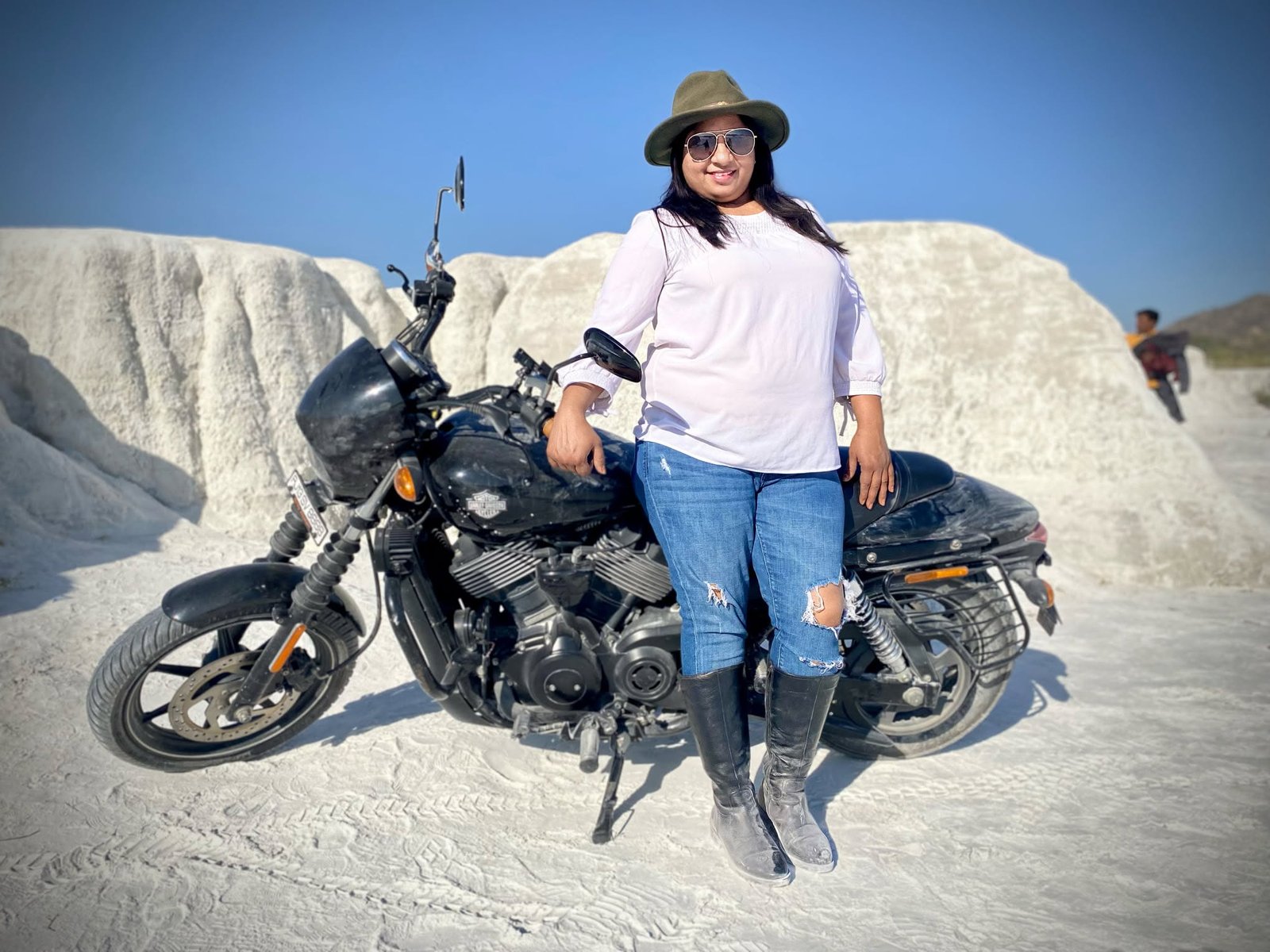
Leggings are incredibly popular because they are comfortable and form-fitting, but they require a little extra strategy.
Leggings & Kurtis
- The Right Approach: Leggings offer a close fit with zero loose fabric. However, ensure the material isn't too thin. If you pair them with a long kurti, gather the front and back hems together and sit on them so they don’t flap wildly behind you.
- The Dupatta Rule: Never let a dupatta float freely. Tuck both ends securely inside your jacket or wrap it tightly around your neck and pin it down.
Palazzos & Wide-Leg Pants
- Wide pants behave like parachutes at highway speeds. If you choose to wear them, use ankle straps, clips, or elastic bands to temporarily taper the cuffs around your boots until you reach your destination.
Your 60-Second Pre-Ride Checklist
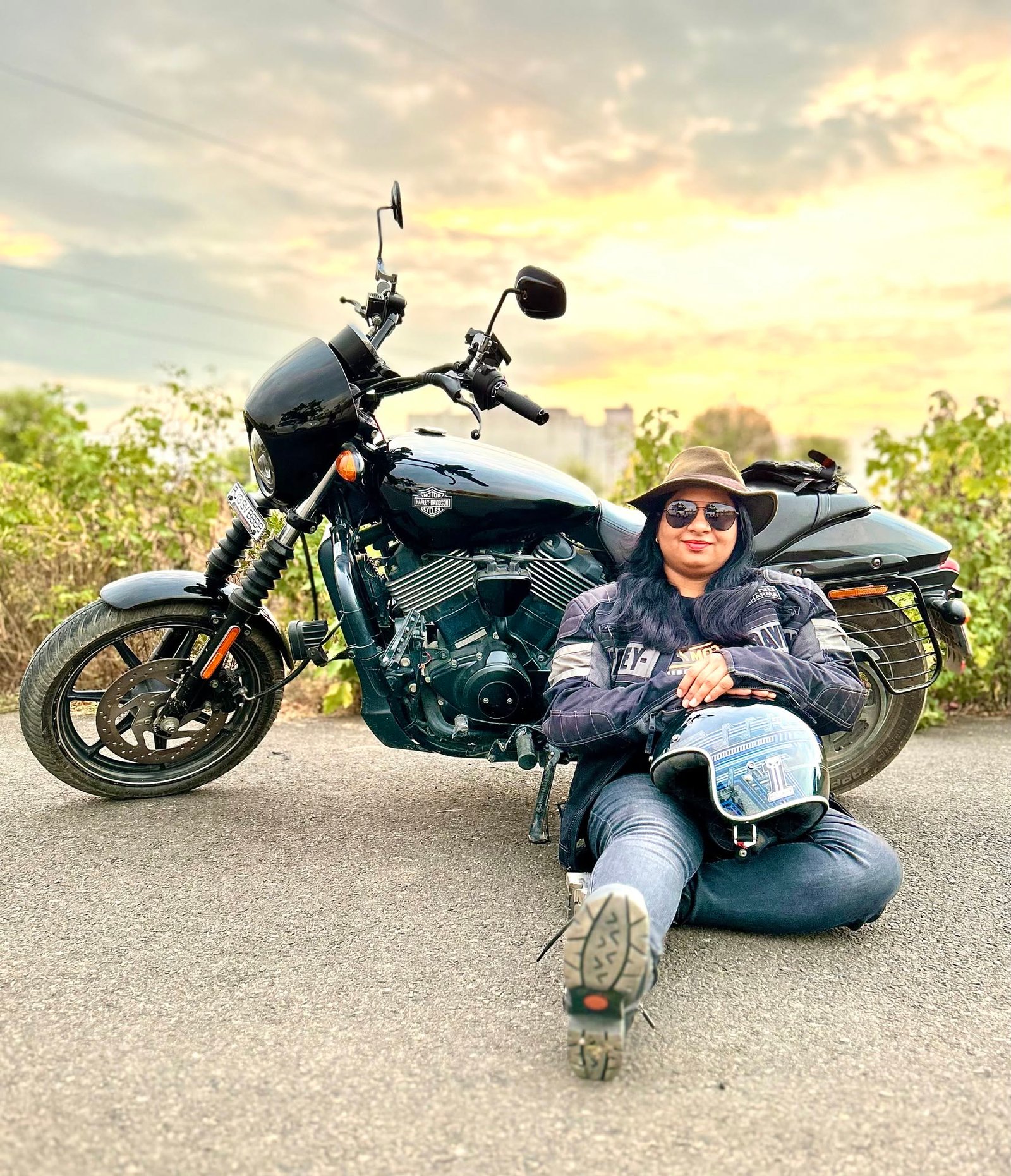
Before firing up your engine, complete this quick walk-around routine to eliminate 90% of all clothing-related issues:
| Step | What to Check | Quick Action |
|---|---|---|
| 01 Sit & Stabilize | Riding position and comfort | Sit naturally with hands on grips and feet on pegs. |
| 02 Clothing Check | Loose or hanging fabric | Ensure nothing can contact hot or moving parts. |
| 03 Fit Adjustment | Overall clothing fit | Secure loose sections for a clean, comfortable fit. |
| 04 Handlebar Test | Freedom of movement | Turn lock-to-lock without restriction. |
| 05 Short Ride Test | Real-world comfort | Take a brief ride and check overall feel. |
Saree vs. Jeans vs. Leggings
| Feature | Saree | Jeans | Leggings / Kurti |
|---|---|---|---|
| Rider Comfort | Medium | High | Very High |
| Fabric Control Effort | High | Very Low | Medium |
| Best For | Festivals & City Commutes | Long Tours & Highway Rides | Daily Errands & City Traffic |
| Recommended Speed | Slow to Moderate | All Speeds | Slow to Moderate |
FAQ
Can women ride a Harley-Davidson in a saree safely?
Yes. By using sturdy safety pins to secure the drapes, keeping the material clear of the right-side exhaust, and making sure a protective saree guard is installed on the rear wheel, you can ride safely over short to medium distances.
Are leggings safe for motorcycle riding?
Leggings are great because they lack loose fabric to catch on moving parts. However, standard fashion leggings offer very little protection against road abrasion. For longer or faster rides, consider investing in dedicated aramid-lined riding leggings.
What is the single biggest clothing risk while riding?
Unsecured loose fabric. Whether it is a flapping pallu, an untucked dupatta, or wide palazzo pants, loose material can easily touch hot engine parts or get tangled in the spinning rear wheel assembly.
Is a saree guard mandatory on a motorcycle?
In India, motorcycles are legally required to be manufactured with a saree guard on the left side to protect pillion riders and drivers wearing traditional clothing. Keeping it installed is highly recommended for safety.
Conclusion: Confidence Is Your Real Safety Gear
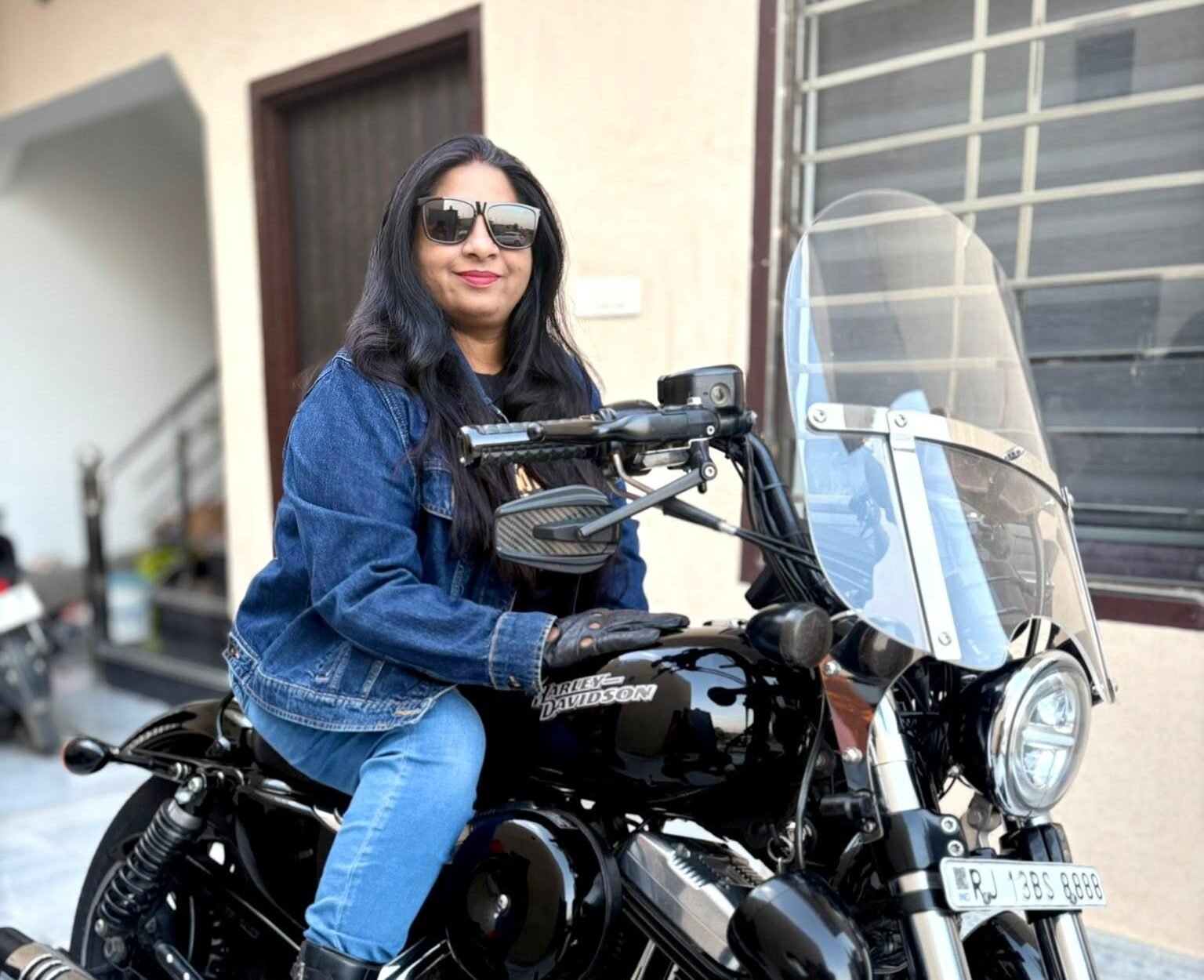
A Harley-Davidson does not demand a uniform. It demands awareness, preparation, and respect for the machine. Modern Indian women don’t need to compromise between heritage and horsepower, or style and strength. You can ride exactly as you are—just ride smart!