Why Good Posture is Your Ultimate Power Move
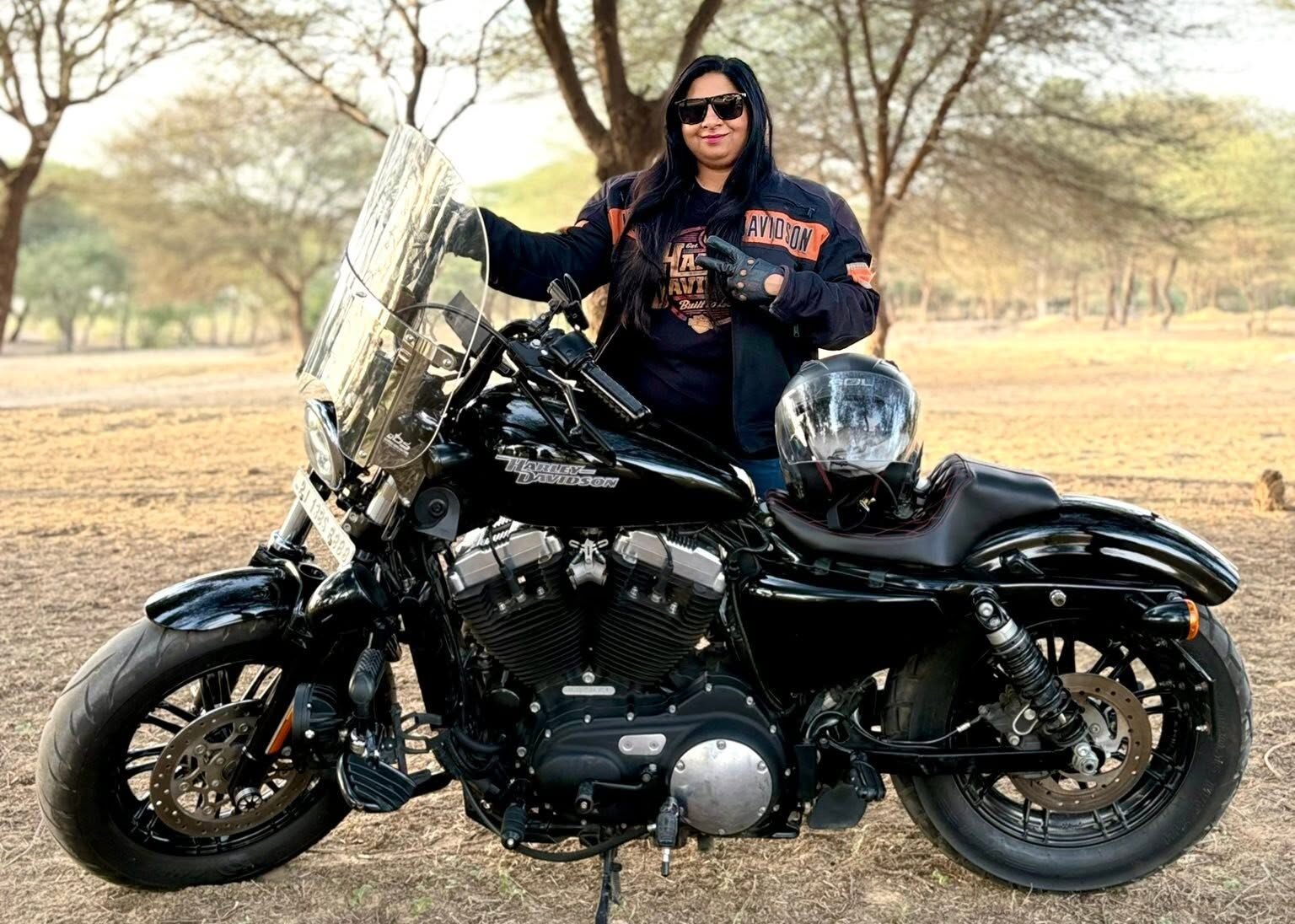
The Cost of Poor Posture
- Quick Pain: Lower back aches within 30 minutes.
- The "Pins & Needles" Effect: Numb wrists and tingling fingers.
- Tension: Stiff shoulders and neck strain.
- Anxiety: A general feeling of fear or instability during slow-speed maneuvers.
The Benefits of Alignment
- Effortless Balance: The bike feels lighter and easier to handle.
- Total Control: Instant, sharp reactions when steering or braking.
- Stamina: Ride for hours without feeling wiped out.
The 5-Step Guide to the Perfect Riding Position
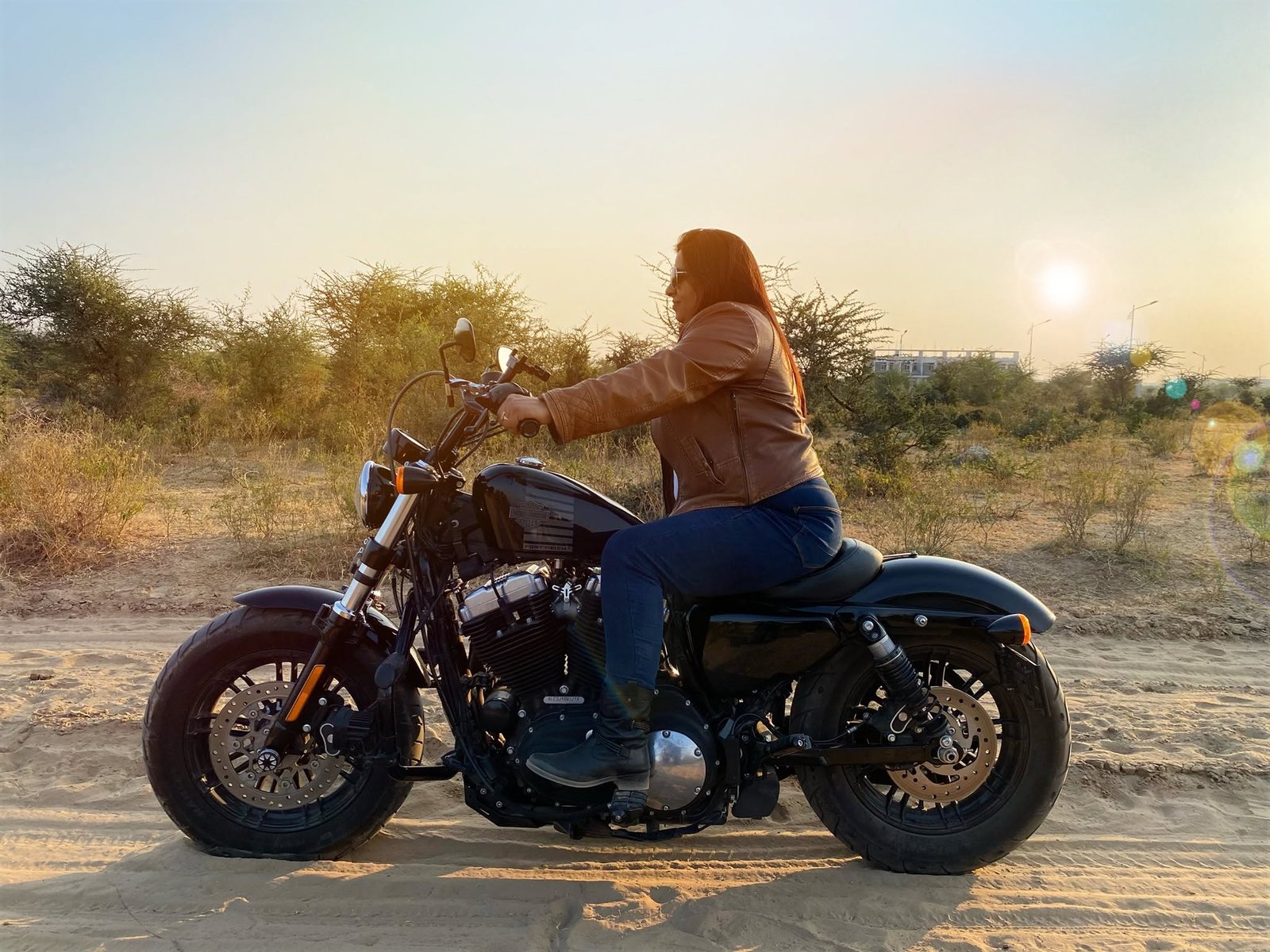
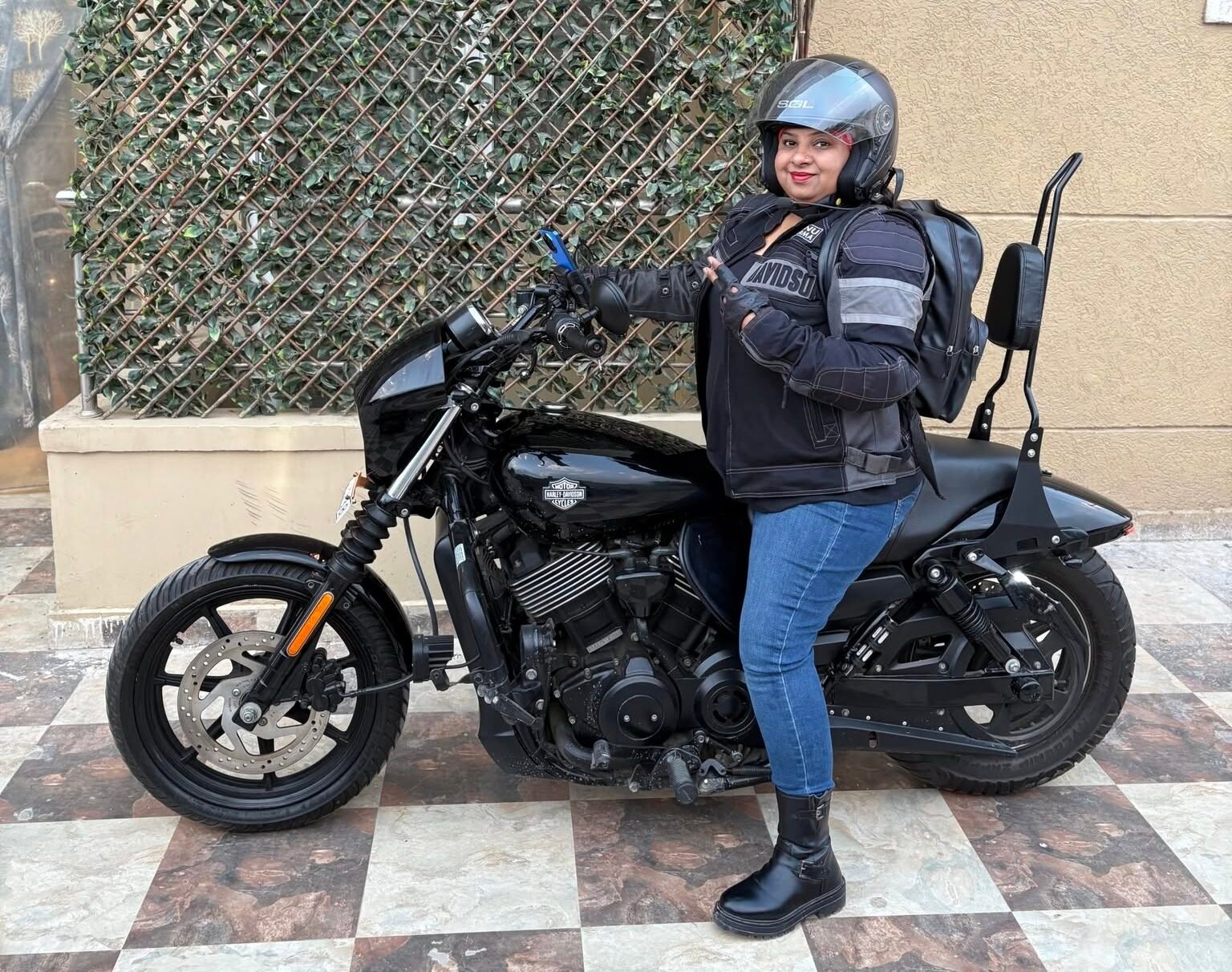
In an ideal riding position, you should feel upright but relaxed. There should be zero pressure on your wrists, your core should do the light stabilizing work, and your back should feel fully supported.
1. Sit Deep Into the Seat
Don't perch or slide forward toward the tank. Slide your hips all the way back until they touch the rear section of the seat bucket. Let the widest part of the seat fully support your weight.
2. Find a Neutral Spine
Avoid the temptation to slouch to feel "closer" to the ground. Imagine a string pulling the top of your head upward. Keep your chest open and your lower back naturally straight but relaxed.
3. Drop Your Shoulders
Actively check in with your upper body. Drop your shoulders down naturally. If they are hunched up toward your ears, you are holding unnecessary tension.
4. Soften Your Elbows & Grip
Your hands are there to guide the bike, not to hold your body weight up. Keep a light, relaxed grip on the handlebars and maintain a slight, flexible bend in your elbows.
5. Hug the Tank Lightly
Bring your knees inward to gently hug the fuel tank. This connects your lower body directly to the chassis, which dramatically improves your balance—especially during tight, slow-speed turns.
Troubleshooting Your Reach & Leg Comfort
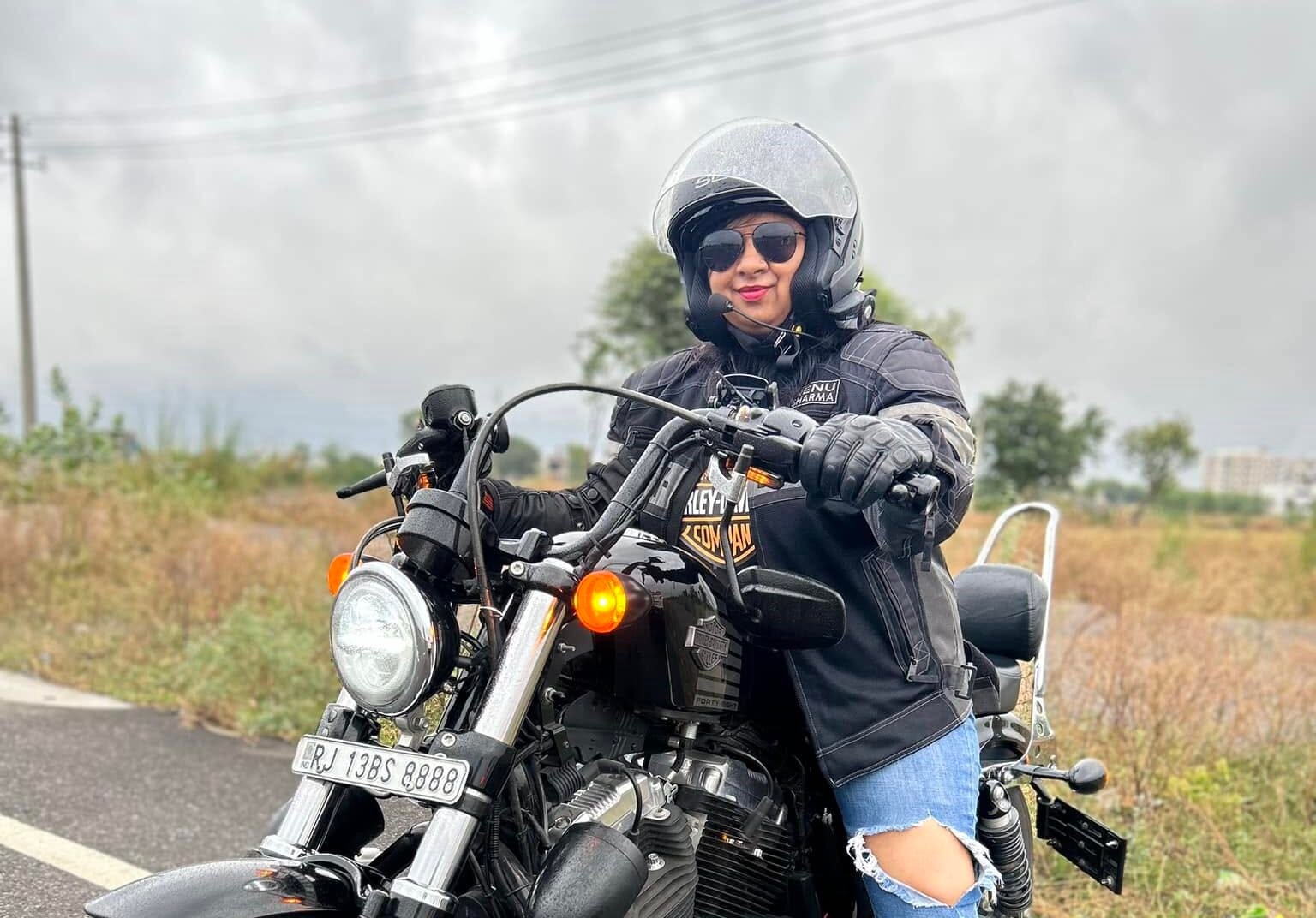
Handlebar Alignment: Protecting Your Wrists and Shoulders
- The Right Way: Wrists should look straight (not bent at odd angles), and elbows must remain flexible.
- Warning Signs: Shoulder blades burning, or fingers falling asleep.
- Easy Fixes: Look into reduced-reach handlebars, adjustable risers to pull the bars closer to you, or narrower handlebars that match smaller shoulder widths.
Foot Position: Solid Foundation
- The Right Way: Your thighs should feel supported by the seat, with a comfortable, slight bend in your knees. Place the ball or the middle of your foot firmly on the pegs or floorboards.
- What to Avoid: Don't let your legs dangle or splay outward like wings. Avoid "tip-toe" riding where you can barely reach the controls.
What to Do vs. What to Avoid The Do's & Don'ts
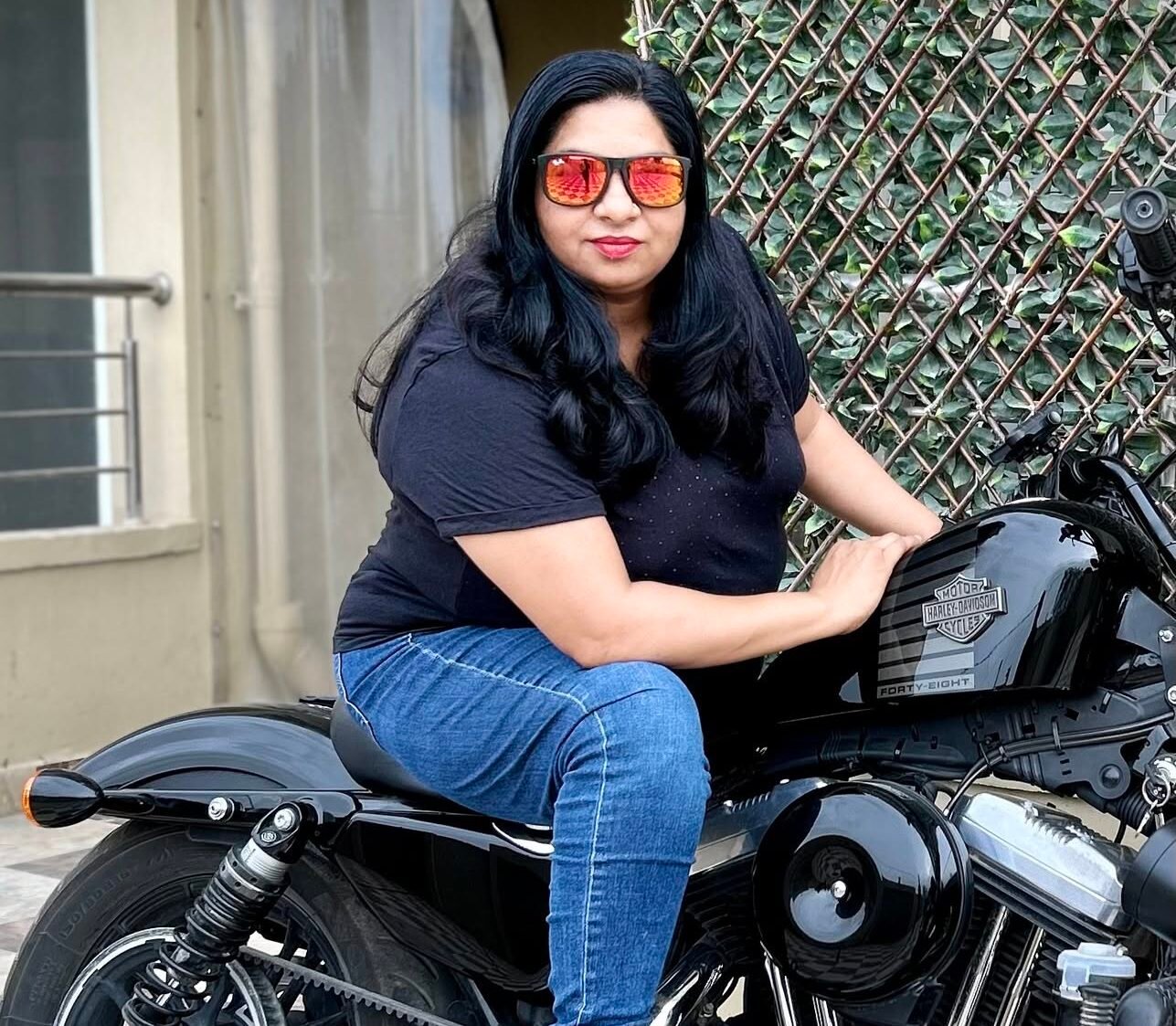
Do
- Sit deep and centered in the saddle
- Keep your spine neutral and relaxed
- Use your core to stabilize your weight
- Lightly hug the tank with your knees
- Customize the bike setup to fit your frame
Don't
- Hunch your back or slouch forward
- Death-grip the handlebars
- Lock your elbows straight out
- Ignore discomfort and try to "tough it out"
- Blindly copy how someone else rides
Your 5-Minute Pre-Ride Skin Routine
| Riding Aspect | ❌ Common Mistake | ✅ Best Practice |
|---|---|---|
| Back | Slouched or rounded | Neutral, upright posture |
| Arms | Locked straight | Relaxed with slight bend |
| Grip | White-knuckled, tense | Light, controlled grip |
| Knees | Spread outward | Securely hugging the tank |
| Mindset | Anxious and reactive | Calm, confident, in control |
FAQs
1. How should a woman sit on a Harley motorcycle?
2. Is a Harley too heavy for women?
3. Should women lean forward on a Harley?
4. What is the best Harley seat for women?
5. Why do my wrists hurt while riding?
6. Can short women ride Harleys comfortably?
Conclusion: Ride on Your Own Terms
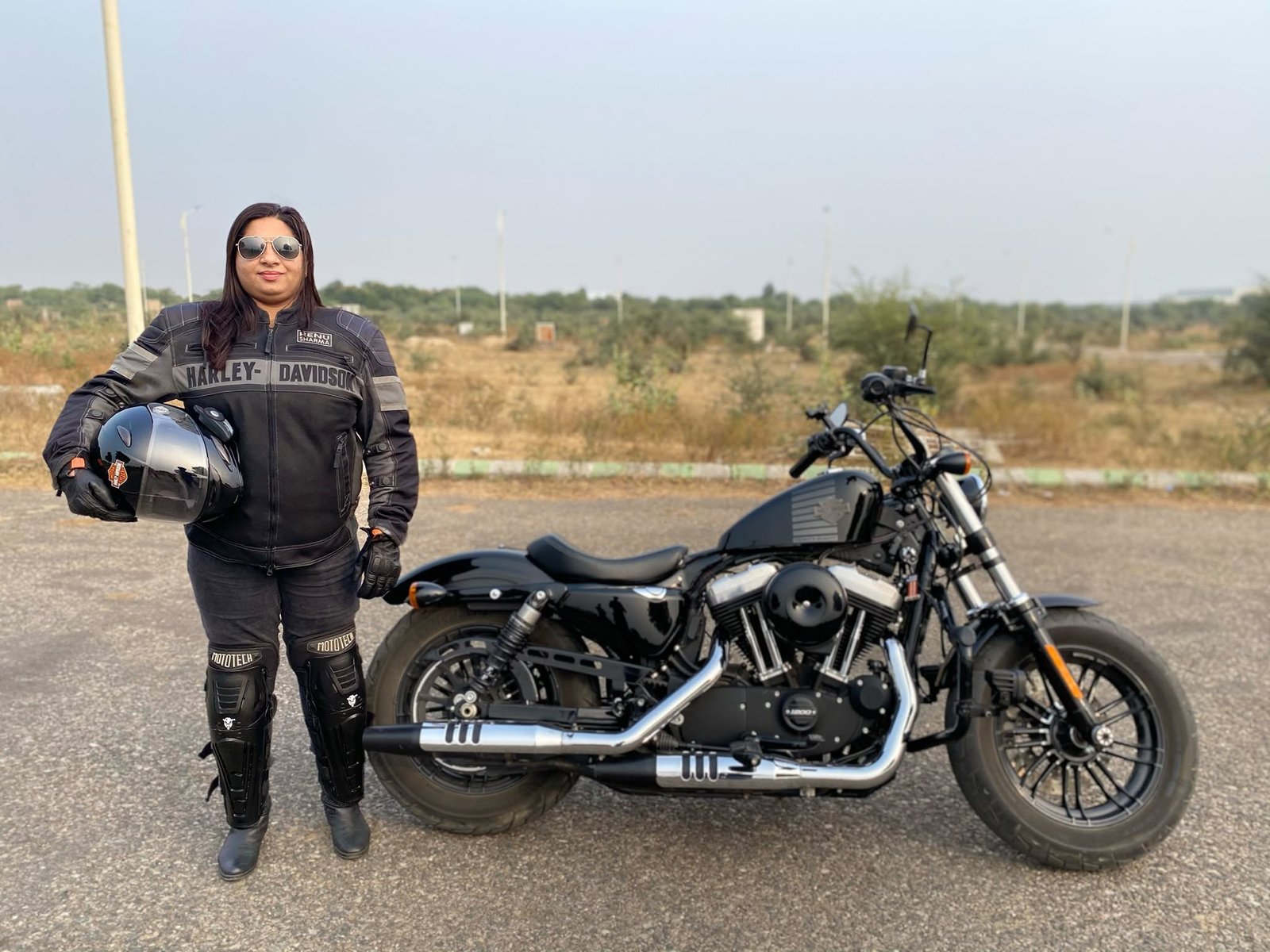
You don’t need to muscle your Harley or fight its weight—you just need to align with it. When your posture is right, the tension melts away, the bike feels weightless, and fear turns into pure excitement.
Stop forcing your body to adapt to the machine. Make the bike work for you, trust your alignment, and ride with the ultimate confidence you deserve!