Email: Renu5988@gmail.com

Phone: +91 730 038 5525

How to Handle the Heavy Front of Forty-Eight Confidently


Riding a Forty-Eight—especially one with wide tyres and a heavier front end—can feel intimidating at first. The steering feels different. Slow turns demand more attention. And when you stop or start, the bike seems to tip forward before your body catches up.

If you’ve ever thought, “Why does the front feel so heavy?” or “Am I riding this the wrong way?”—you’re not alone.

The good news?
A heavy front isn’t a flaw. It’s a characteristic—and once you understand it, you can ride with total confidence.

In this in-depth guide, you’ll learn exactly how to handle the heavy front of a Forty-Eight (including 48V e-bikes and wide-tyre builds) without losing balance, control, or enjoyment.
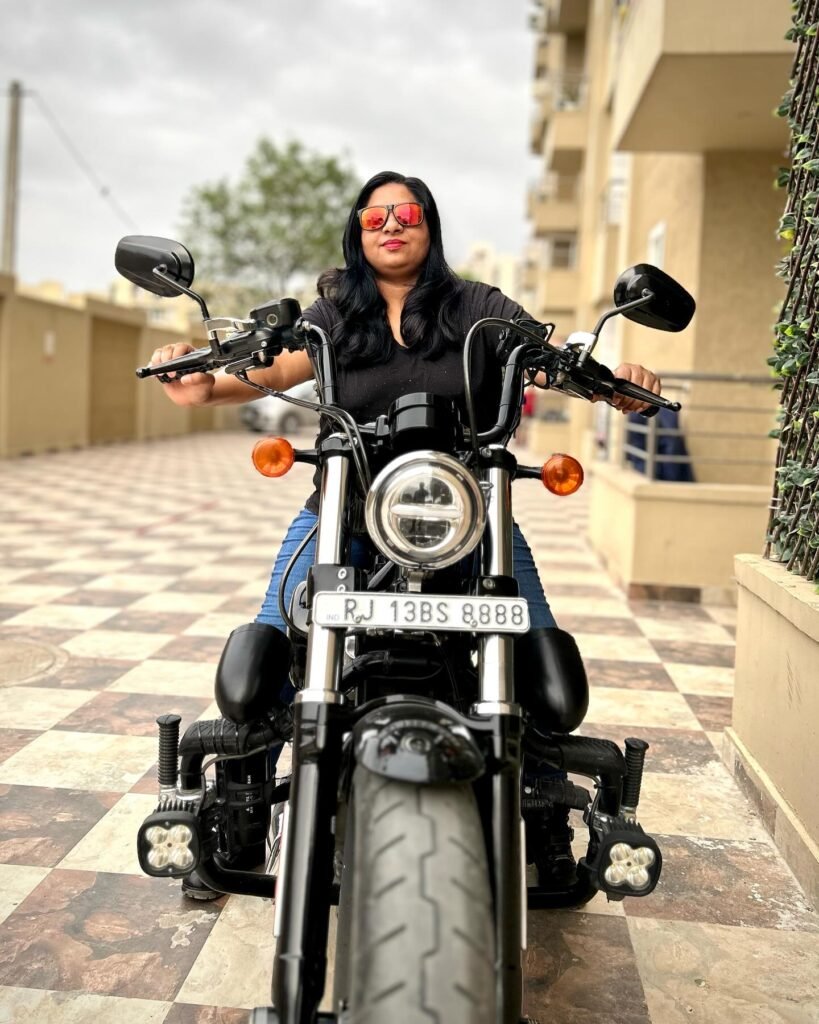
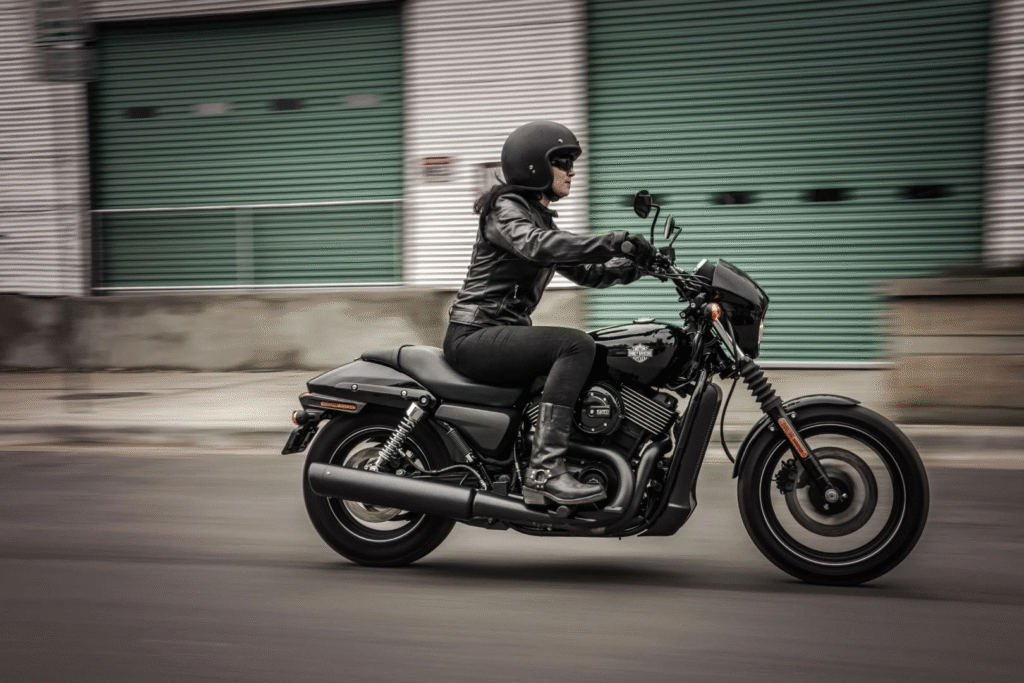
What Does “Heavy Front of Forty-Eight” Really Mean?


The heavy front of a Forty-Eight usually comes from a combination of factors:

  • Wide or fat front tyres
  • Front hub motors (on 48V e-bikes)
  • Large front forks or suspension
  • Front-mounted battery or accessories
  • Forward weight bias in the frame geometry

This creates more mass over the front wheel, which affects:

  • Steering response
  • Balance at low speeds
  • Turning radius
  • Braking feel

Why Wide Tyres Change Everything

How wide tyres affect handling:

  • Larger contact patch = more grip
  • Increased rolling resistance
  • Slower steering response
  • Stronger self-centering effect

This is great for:

  • Stability
  • Comfort
  • Traction on sand, gravel, or uneven roads

But it also means:

  • You can’t “flick” the handlebars
  • Balance comes more from body position, not arms

Wide tyres reward smoothness—not force.

How to Handle a Heavy Front Confidently

Set Your Neutral Riding
Position

  • Sit slightly farther back than usual
  • Keep elbows loose, not locked
  • Engage your core lightly

Use Your Hips, Not Your
Arms

  • Gently rotate your hips
  • Let the handlebars follow
  • Avoid sharp steering inputs

Maintain Light
Momentum

  • Add a touch of throttle or pedal assist
  • Keep the wheels rolling
  • Avoid sudden stops

Brake Progressively

  • Rear brake first
  • Front brake smoothly
  • Never grab abruptly

Look Where You Want
to Go

  • Look through turns
  • Keep your chin level
  • Trust your peripheral vision

Body Positioning That Instantly Improves Control

Correct posture makes the heavy front feel lighter.

Ideal posture checklist:
  • Head up
  • Shoulders relaxed
  • Elbows slightly bent
  • Weight centered or slightly rearward
  • Knees gently hugging the frame

Do & Don’t List for Heavy-Front Bikes

do

  • ✅ Ride smoothly and predictably
  • ✅ Keep tyres properly inflated
  • ✅ Practice slow-speed turns in open space
  • ✅ Adjust handlebar height if needed
  • ✅ Trust the bike’s stability

don't

  • ❌ Ride smoothly and predictably
  • ❌ Keep tyres properly inflated
  • ❌ Practice slow-speed turns in open space
  • ❌ Adjust handlebar height if needed
  • ❌ Trust the bike’s stability

Do & Don’t List for Heavy-Front Bikes

FeatureLight Front BikeHeavy Front Forty-Eight
SteeringQuick & twitchySmooth & stable
Low-Speed ControlEasyRequires technique
High-Speed StabilityModerateExcellent
Rider FatigueArm-heavyCore-focused
Learning CurveShortMedium

Do & Don’t List for Heavy-Front Bikes

Do

Excellent straight-line stability: The added weight resists deflection, keeping you on track even at high speeds.

Superior traction: Increased downward force keeps the contact patch firmly pressed against the surface.

Comfortable ride feel: The setup effectively “mutes” bumps and vibrations for a more composed ride.

Strong braking control: Additional front-end weight minimizes diving and improves stopping power

Don’t

Slower steering: The front end can feel “lazy” or slower to react to quick directional changes.

More demanding at low speed: Handling becomes more cumbersome during tight maneuvers or technical sections.

Requires better technique: Requires more refined technique and physical effort to manage the weight shift.

Heavier feel when parking or lifting: The vehicle or bike is noticeably more difficult to lift, park, or manhandle manually.

Real-Life Riding Scenarios (And What to Do)

Tight U-Turn

Problem: Front feels like it wants to fall in.

Solution:

  • Add light throttle
  • Lean your body, not the bike
  • Keep eyes up and wide

Stopping at Traffic Lights

Problem: Front dips forward.

Solution:

  • Shift hips back
  • Use rear brake first
  • Keep one foot ready early

Parking or Pushing the Bike

Problem:Bike feels unbalanced off the saddle.

Solution:

  • Keep bike slightly leaned toward you
  • Use hips, not arms
  • Move slowly and deliberately

Setup Checklist: Tune Your Bike for Balance

Before blaming technique, check your setup.

Quick balance checklist:

  • ✅ Front tyre pressure not too high
  • ✅ Handlebar height comfortable
  • ✅ Stem length appropriate
  • ✅ Fork not overly stiff
  • ✅ Accessories evenly distributed

(Faq's)

Are 48mm tyres harder to control?

No—but they require smoother inputs and better body positioning.

Increased trail and tyre mass amplify steering flop.

Slightly, yes—but avoid overinflation.

Not at all. Technique matters more than width.

Most modern gravel and adventure bikes are designed for this setup.

Only if poorly packed or ridden aggressively at low speed.

Most riders adjust within 3–5 rides.

Scroll to Top