A Guide to Smooth Starts and Less Wrist Fatigue
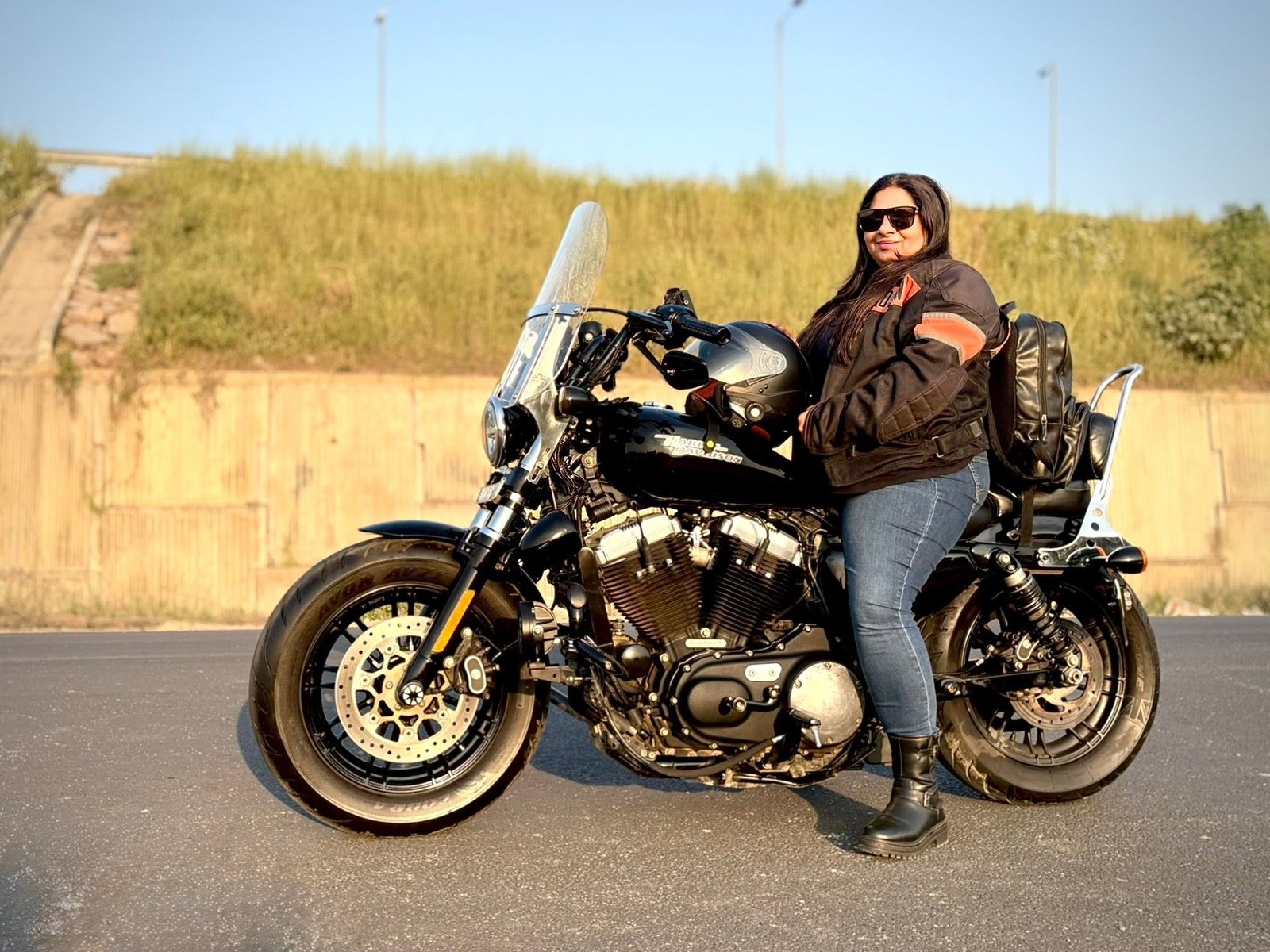
Riding a Harley-Davidson is an unmatched feeling of freedom and empowerment. However, if you have smaller hands or less upper-body strength, managing a heavy Harley clutch can quickly turn a fun cruise into a painful workout. Wrist fatigue, hand cramps, and jerky starts can take the joy out of your ride.
Getting smooth starts and eliminating wrist pain isn’t about raw strength—it’s all about technique. Here is a simple, step-by-step guide to mastering your Harley’s clutch control with ease.
Ergonomics First: Adjust for Your Hands

- Adjustable Levers: Consider upgrading to reduced-reach or adjustable clutch levers. These bring the lever closer to the handlebars, making it significantly easier to grip.
- Lever Angle: Ensure your clutch lever is rotated to align naturally with your forearm when you are sitting in your normal riding position. A bad angle forces your wrist to bend unnaturally, leading to instant fatigue.
Master the "Friction Zone."
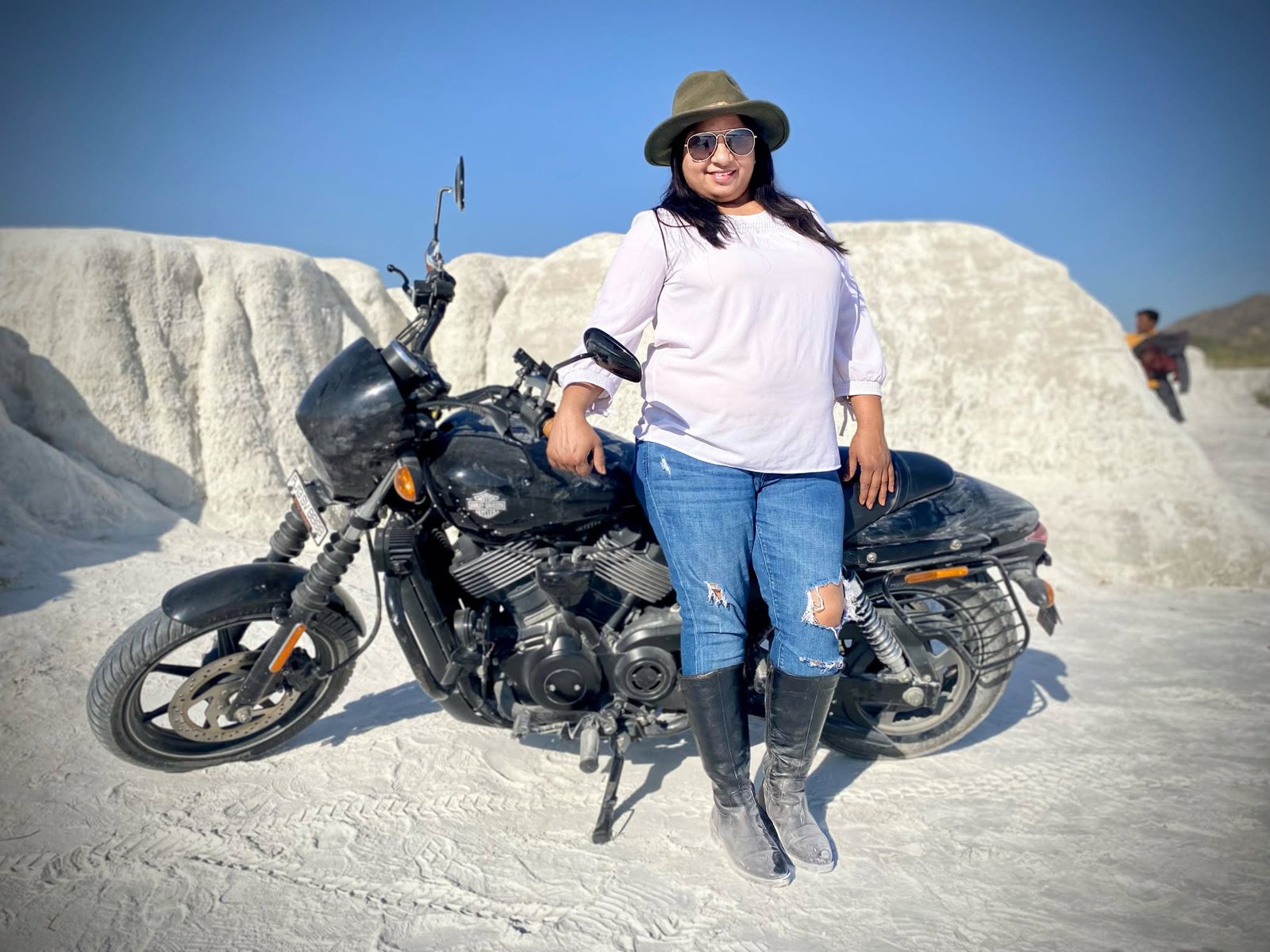
- Adjustable Levers: Consider upgrading to reduced-reach or adjustable clutch levers. These bring the lever closer to the handlebars, making it significantly easier to grip.
- Lever Angle: Ensure your clutch lever is rotated to align naturally with your forearm when you are sitting in your normal riding position. A bad angle forces your wrist to bend unnaturally, leading to instant fatigue.
Use Your Whole Hand (No Two-Finger Pulling)
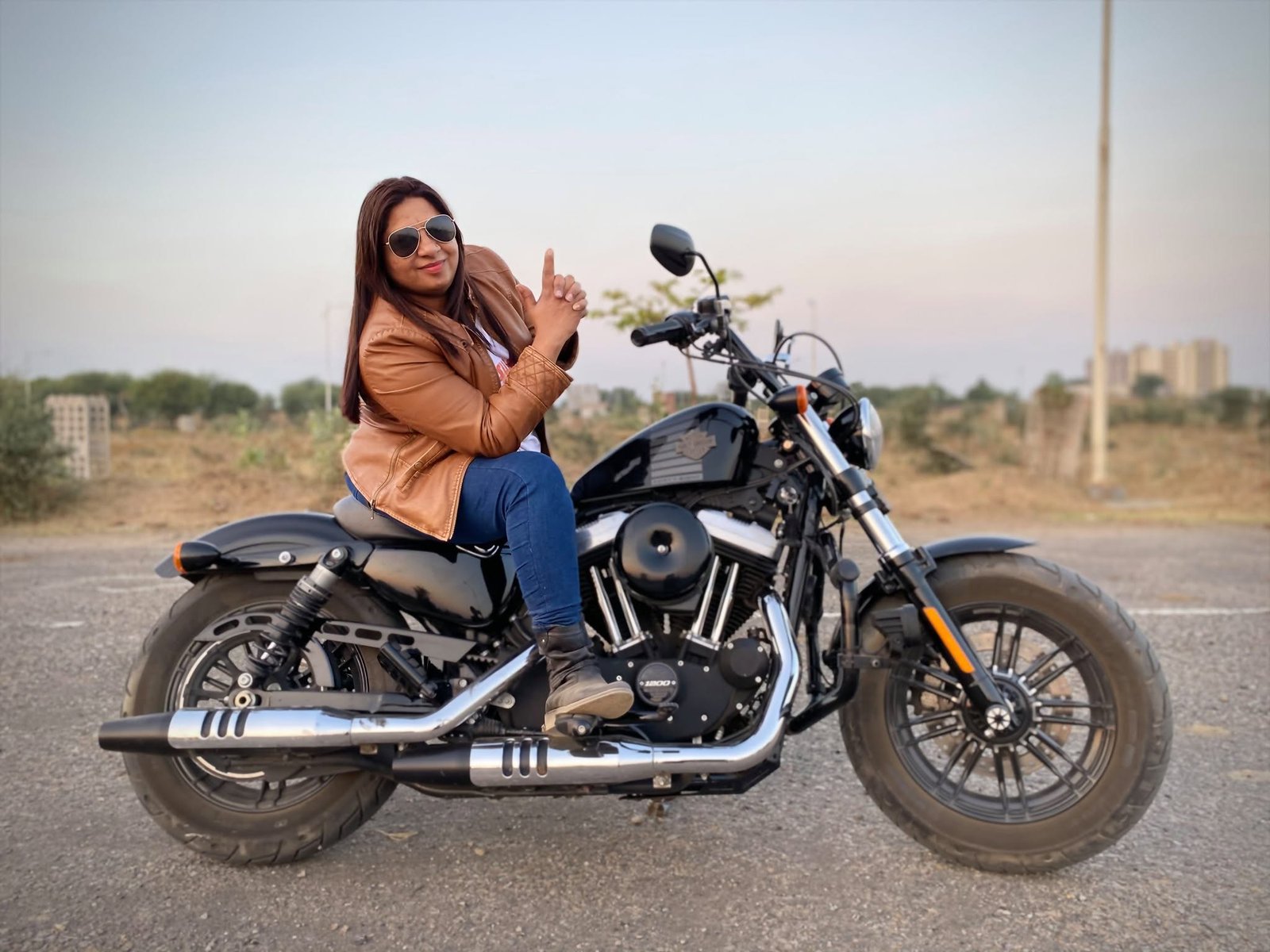
- Wrap all four fingers around the lever.
- Pulling with your entire hand distributes the pressure across your whole arm rather than placing the entire strain on your wrist and thumb tendons.
Relax Your Grip (Avoid the "Death Grip")

- A tight grip cuts off blood circulation and causes your forearm muscles to cramp up almost instantly.
- Keep your wrists straight and your grip relaxed. Let the bike’s engine do the heavy lifting, not your muscles.
The Step-by-Step Guide to a Smooth Start
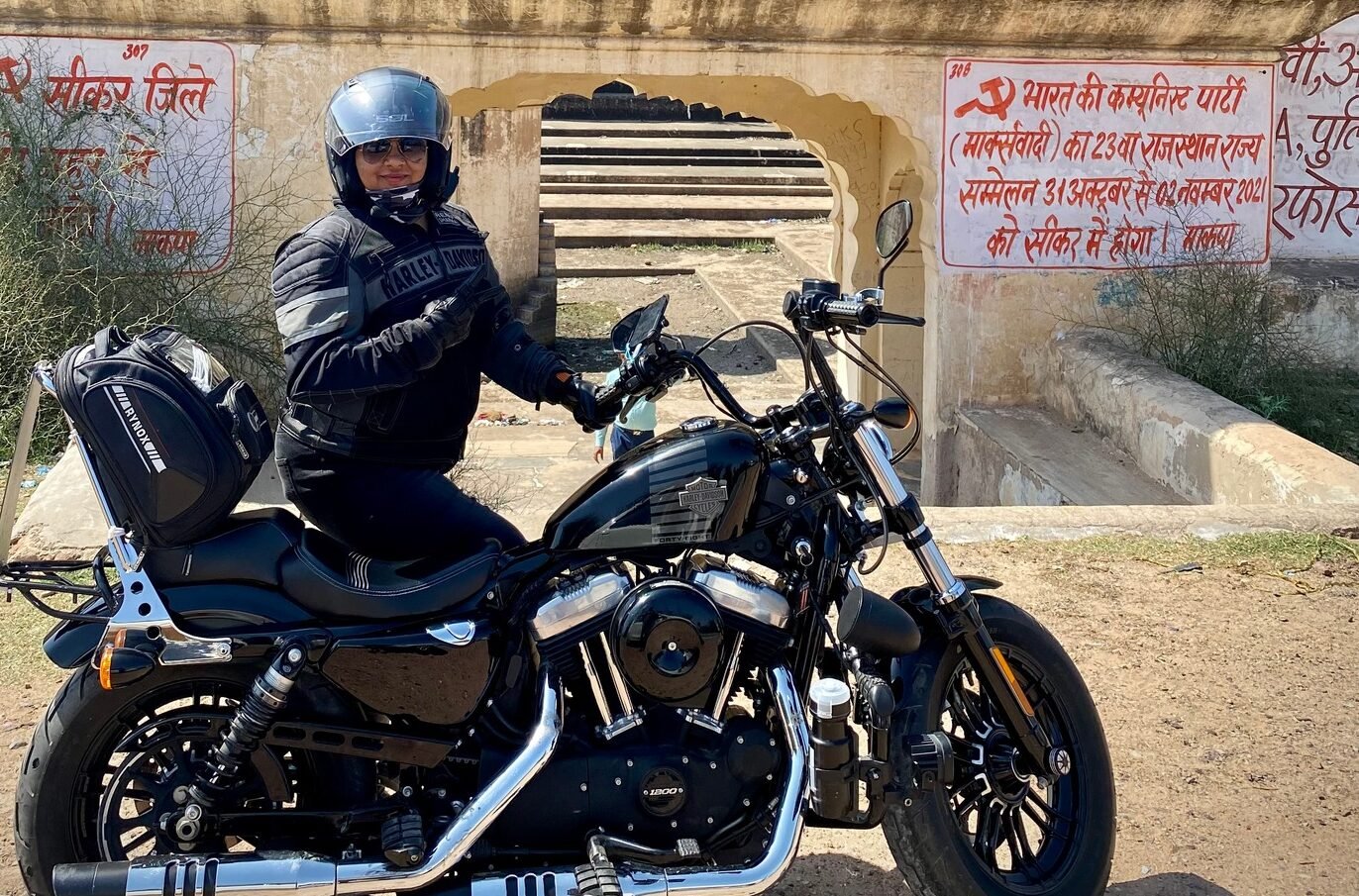
- Set your feet: Keep your right foot on the rear brake to hold the bike stable.
- Ease into the zone: Slowly pull the clutch lever in, shift into first gear, and bring the clutch out just until you hit the friction zone.
- Add a little throttle: Give the bike a tiny, steady amount of gas.
- Pause and roll: Do not dump the clutch! Hold it in the friction zone for 2 to 3 seconds as the bike starts rolling, then smoothly release it the rest of the way.
Give Your Hands a Break
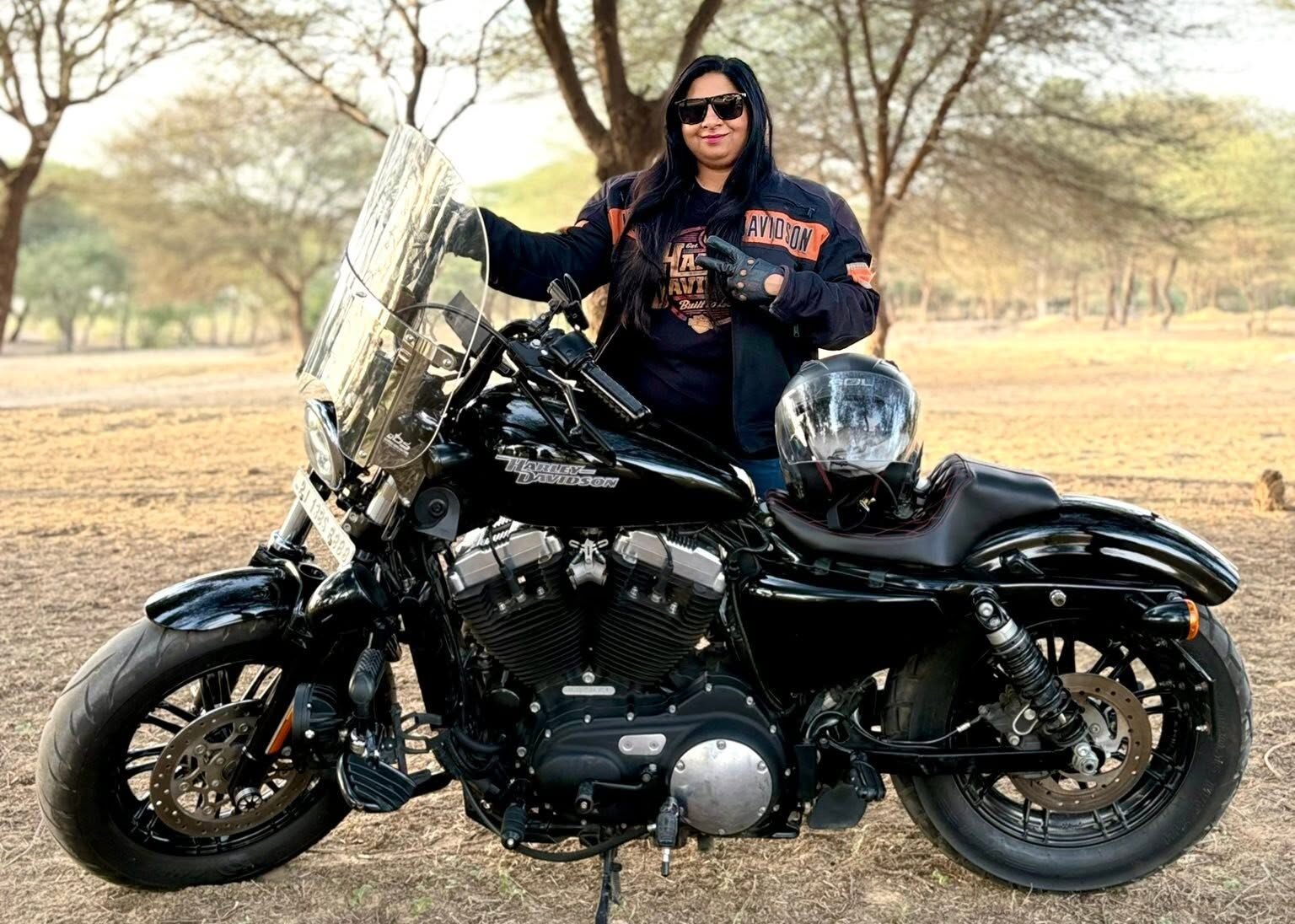
- Shift the bike into Neutral and let go of the clutch completely.
- This gives your left hand a much-needed rest and prevents unnecessary wear on your motorcycle’s clutch plates.
FAQ
Step 1: Set Your Foundation
Sit square, relax your shoulders, and keep your elbows slightly bent. Keep your right foot firmly planted on the rear brake to anchor the bike, and keep your left foot down on the pavement ready for balance.
Step 2: Rev and Pre-Load
Before you touch the clutch, give your Harley a tiny, steady squeeze of throttle until the engine has a gentle, consistent hum. Setting your RPMs first acts as a safety cushion so you never stall.
Step 3: Find the Friction Zone
Slowly ease the clutch lever out until you feel the engine gently bite and the bike tries to creep forward. Do not let go! Treat the lever like a dimmer switch, keeping it held right at that exact sweet spot.
Step 4: The 2-Second Pause
As the bike rolls forward, release the rear brake and hold the clutch steady in the friction zone for a count of one… two…while adding a splash of gas. Once you are moving at walking speed, smoothly let the lever all the way out.
Ride with Confidence

Quick Takeaways for Your Next Ride:
- Customize your fit: Don't struggle with stock setups; get adjustable levers if you need them.
- Trust the technique: Let the friction zone do the hard work, not your muscles.
- Relax your muscles: Drop the death grip to save your wrists from pain.