The Reality of Road Exposure: Understanding Sun & Skin Damage

- Continuous UV Assault: Ultraviolet rays reflect off the asphalt and hit your skin continuously.
- The Wind Blast Effect: -speed wind constantly strips natural moisture, leaving the skin barrier compromised.
- The Road Grime Mix: Heavy sweat mixes with airborne dust, exhaust fumes, and pollution.
- Micro-Heat Waves: Elevated temperatures stimulate melanin production, accelerating skin changes.
Why Women Bikers Need Specialized Skin Care
Common Skin Problems During Long Rides
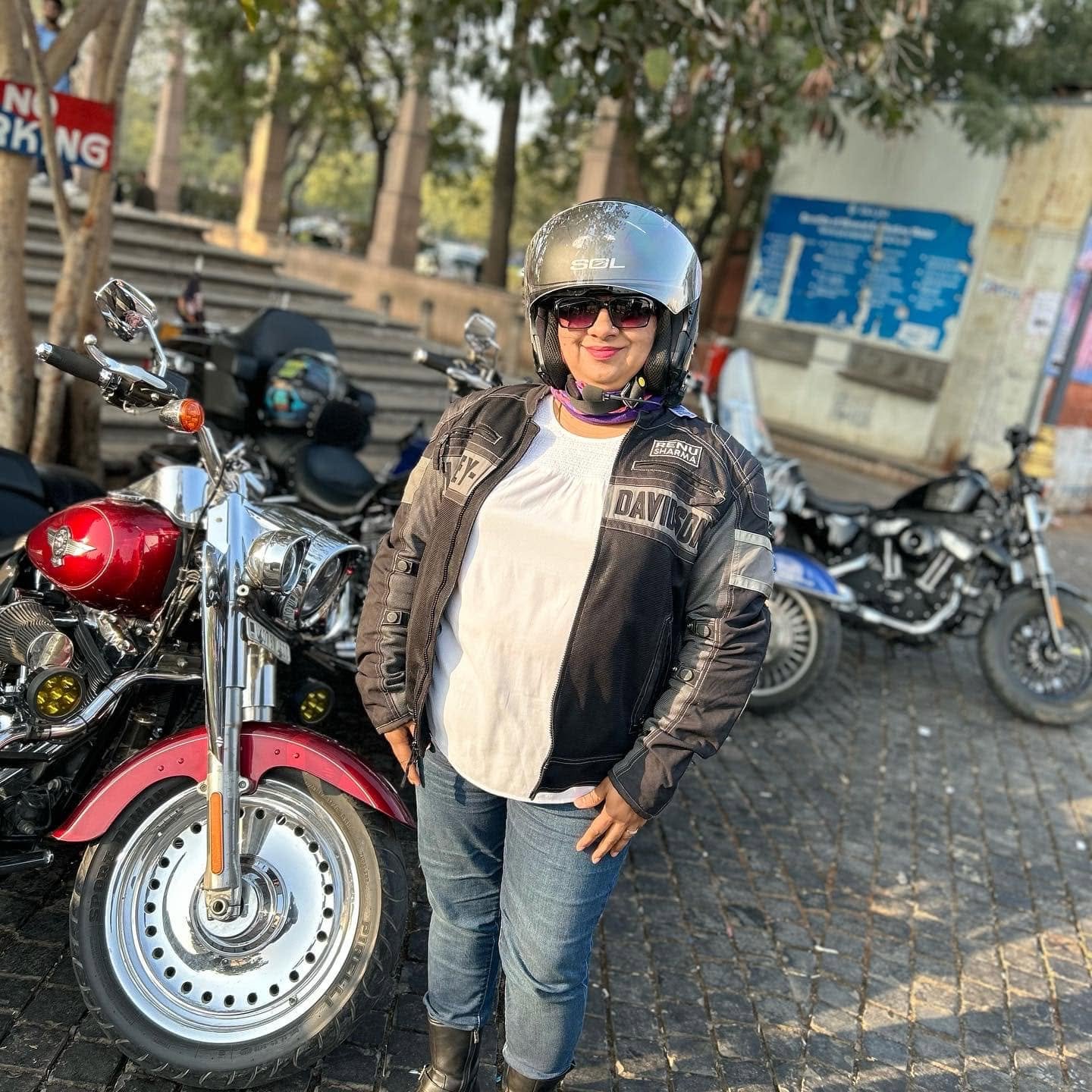
- Targeted Tanning: The most frequent complaint, showing up aggressively on exposed friction points like the neck, wrists, and ankles, as well as the face through clear visors.
- Severe Dehydration: Manifests as a tight, uncomfortable pulling sensation, flakiness, and fine dehydration lines.
- Road Breakouts: Caused by trapped helmet sweat, blocked pores, and reusing dirty balaclavas or face masks.
- Delayed Sunburn: A silent burn that you often won't notice or feel until you finally take off your gear in the evening.
SPF Demystified: What Riders Actually Need

The 4-Week Distance Conditioning Plan
- SPF 30 blocks roughly 97% of UVB rays.
- SPF 50 blocks roughly 98% of UVB rays.
The Best Sunscreen Formulas for the Highway

| Formula Type | Textural Feel | Ideal Skin Match | On-Road Performance |
|---|---|---|---|
| Gel-Based | Ultra-light, invisible | Oily / Combination | Excellent (No slipping) |
| Matte Cream | Rich, moisturizing | Dry / Sensitive | Good (Apply thin layers) |
| Sunscreen Stick | Solid, zero-mess | Quick roadside touches | Excellent (Pocket-sized) |
1. Gel-Based Sunscreen
Lightweight, completely non-greasy, and quick to absorb. It creates an invisible shield that won’t clog your pores or turn into a white, milky paste when you start sweating inside your helmet.
2. Matte Cream Sunscreen
An excellent choice for inherently dry skin types. It provides a touch of hydration while preventing a greasy glare, but it must be applied in thin, even layers to avoid trapping heat.
3. Sunscreen Sticks
The ultimate roadside convenience tool. It offers solid, mess-free, water-resistant application. You don't need to wash your hands before applying it, making it the perfect choice for quickly touching up your nose, cheekbones, and the back of your neck during brief fuel stops.
Your 5-Minute Pre-Ride Skin Routine
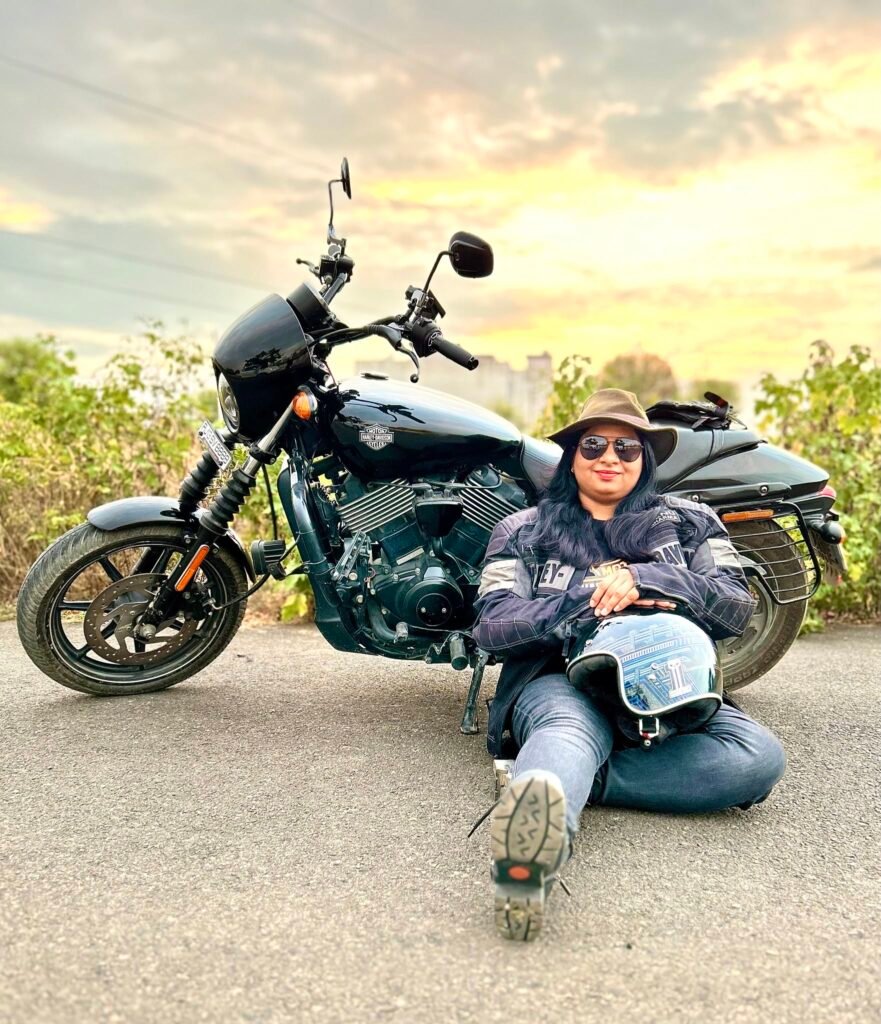
- Prep: Wash your face with a gentle, non-stripping cleanser to remove any oil buildup from the night before.
- Hydrate: Apply a lightweight, water-based moisturizer to lock in basic hydration against wind blast.
- Shield: Generously apply your broad-spectrum SPF across your entire face, ears, the front and back of your neck, and your wrists.
- Protect: Coat your lips with a dedicated, nourishing lip balm that contains SPF to prevent painful cracking.
- Set: Let everything absorb completely for 10 full minutes before pulling your balaclava or helmet over your face.
The On-Ride Protection Checklist

- A solid sunscreen stick or portable travel sachets.
- Plenty of clean drinking water to hydrate your skin from the inside out.
- A pack of soft, alcohol-free face wipes to clear away road salt and grime.
- Your SPF-infused lip balm.
⏱️ The Golden Rule of Road Reapplication: Reapply your sun defense every 3 to 4 hours, or immediately after an intense, heavy sweating stretch.
Overcoming Riding Anxiety
Common Mental Blocks & How to Beat Them
Fear of high-speed highways.
Comparing yourself to faster riders.
Overthinking the total distance.
Post-Ride Skin Recovery Routine
Immediate Actions
- Cleanse Right Away: Wash your face immediately to dissolve trapped sweat, road dust, and sunscreen residue before it settles into your pores.
- Calm the Inflammation: Apply a generous layer of pure aloe vera gel or a soothing, calming cooling gel to take down wind-induced redness.
- Rehydrate: Apply a rich, deeply nourishing moisturizer and drink a tall glass of fresh water.
Nighttime Repair
- Use a gentle, barrier-repairing night cream to help your skin heal while you sleep.
- Avoid all harsh active treatments (like Retinol, salicylic acid washes, or chemical peels) after a long day on the asphalt—your skin barrier is too sensitive to handle them.
Mechanical Barriers: Gear That Blocks the Rays
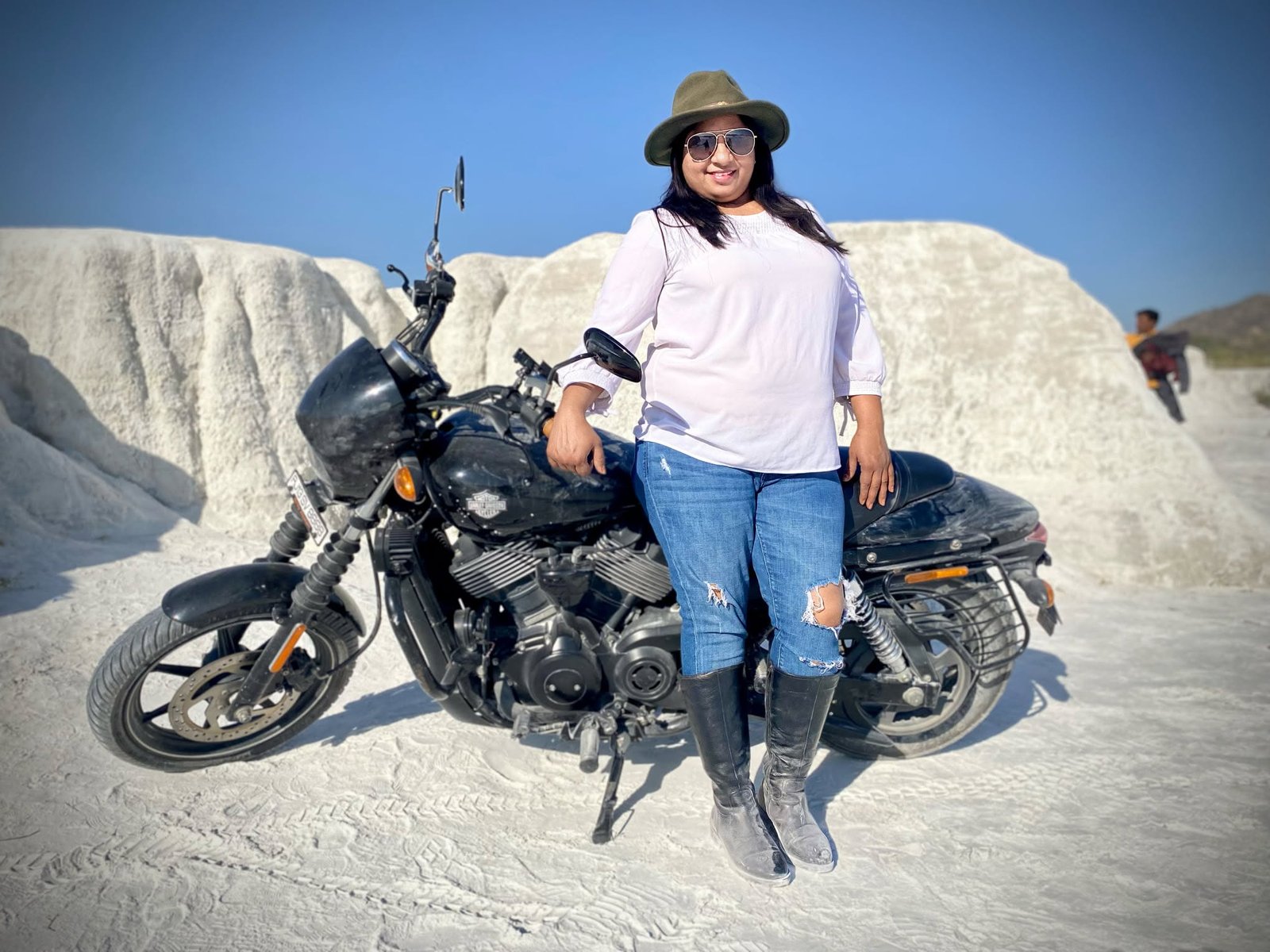
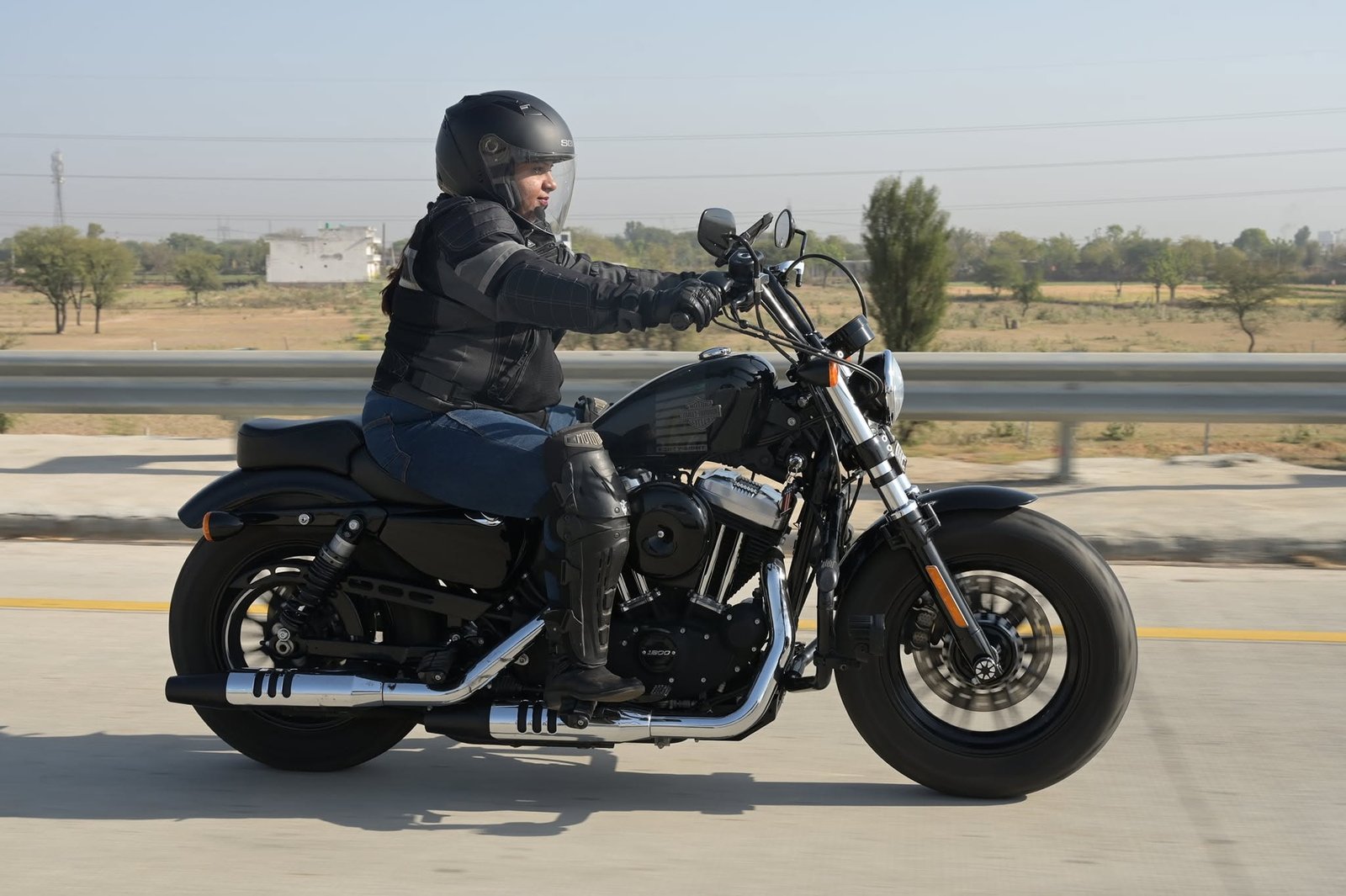
- Full-Face Helmets: Instantly reduce direct UV exposure across your entire face, drastically cutting down on unexpected visor tanning.
- UV-Rated Buffs or Scarves: Shield the highly vulnerable neck area from sunburn while actively absorbing collar sweat.
- Leather or Textile Riding Gloves: Keep the backs of your hands—one of the most common areas for early sun spots—completely covered and safe from the sun.
Pros & Cons of Motorcycle Sun Protection
- Prevents deep, stubborn highway tanning and uneven tracking lines.
- Slows down premature skin aging, fine lines, and sun spots.
- Drastically improves on-bike comfort by eliminating hot, stinging windburn.
The Pros
- Start your journey at dawn to maximize cool, daylight hours.
- Stick strictly to your personal comfort speed, ignoring faster traffic.
- Listen to early physical warnings from your body before they become painful.
- Keep hydrating consistently throughout the day.
- Trust the physical and mental training you put in prior to day one.
The Cons
- Requires strict, disciplined reapplication at rest stops.
- Takes a little initial trial and error to find the exact formula that plays nice with your helmet lining.
Quick Do’s and Don’ts for the Road
DO
- Apply your broad-spectrum SPF daily, regardless of the weather forecast.
- Keep your skin covered with high-quality, breathable technical riding gear.
- Drink consistent amounts of water throughout the entire day.
- Wash your helmet liner and balaclavas regularly to kill acne-causing bacteria.
DON'T
- Rely on standard makeup foundations or BB creams for real sun protection.
- Ride on an empty stomach or let your blood sugar drop.
- White-knuckle or grip the handlebars tightly (this causes immediate arm pump and hand numbness).
- Ignore your post-ride recovery steps; the first hour off the bike determines how your skin bounces back.
Why Women Experience More Wrist Fatigue
What is the best sunscreen for women bikers?
Does a standard helmet visor block harmful UV rays?
How do I prevent severe neck tanning while riding?
Can wearing sunscreen cause acne breakouts under a helmet?
How often should a motorcyclist reapply sunscreen?
Final Thoughts: Protect Your Skin Like You Protect Your Machine
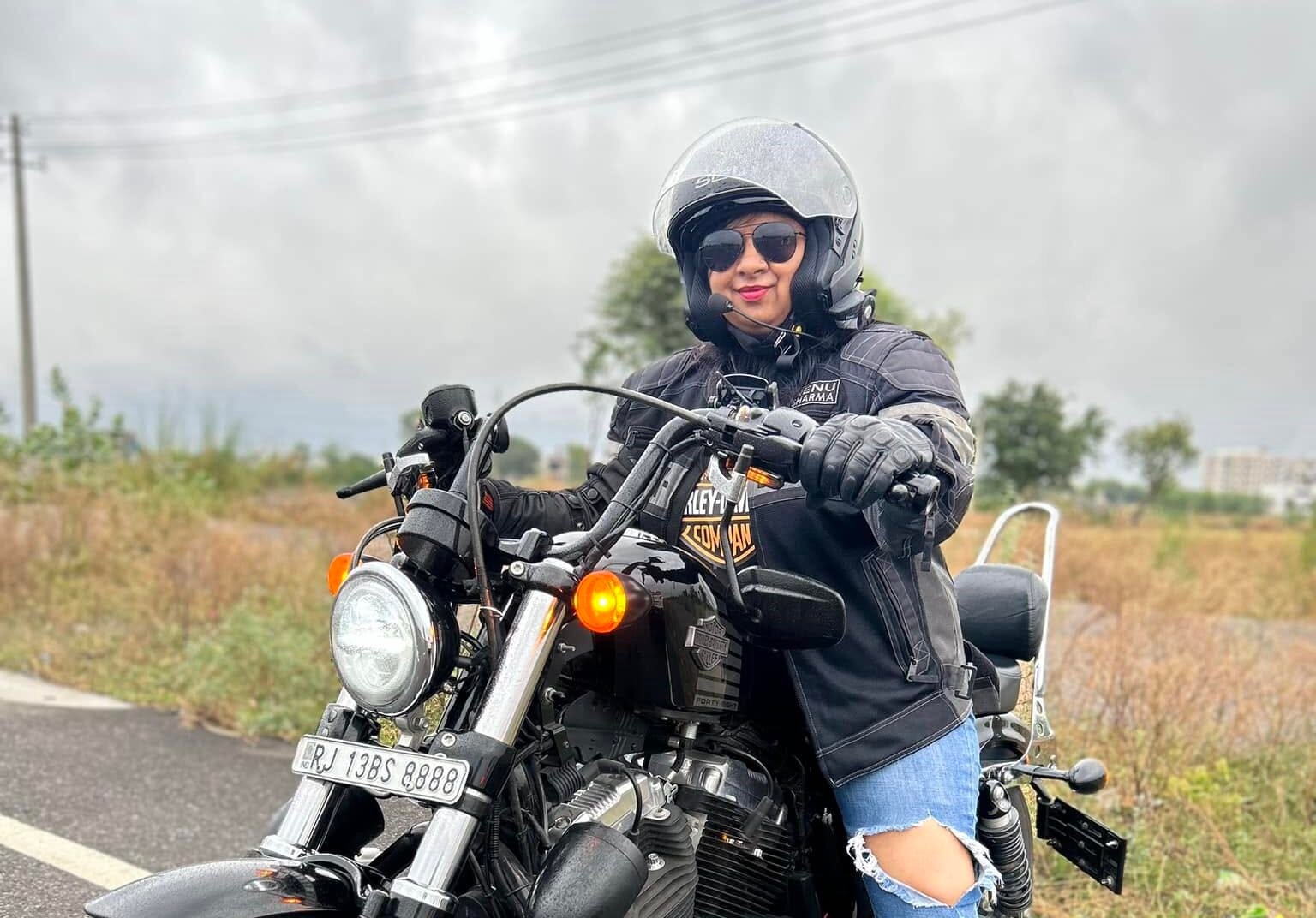
Taking care of your skin on the road isn’t about vanity—it’s an essential part of a rider’s self-respect and endurance. When your skin is protected from burning and wind-driven dehydration, you feel more comfortable, you focus better, and you enjoy the journey a whole lot more.
Treat your skin with the exact same care, discipline, and attention to detail that you give to your motorcycle’s engine. True endurance riders take care of their gear, their bikes, and themselves. Share these tips with your riding crew, and hit the road sun-smart!