The Ultimate Guide to Your First 200 km Motorcycle Ride: Physical & Mental Preparation
For many riders, hitting the 200 km milestone is a rite of passage. But if you are approaching this distance for the first time, it’s completely normal to feel a mix of excitement and anxiety.
Here is the secret: A 200 km ride isn’t a test of speed—it’s a test of endurance.
Long-distance motorcycle riding challenges your body and mind in unique ways, requiring sustained posture, continuous mental focus, and proactive physical care. This comprehensive guide will help you prepare physically and mentally to conquer your first 200 km touring milestone with absolute confidence.
Why a 200 km Ride is a Unique Challenge
- Continuous Posture Holding: Sitting in the same position for hours puts immense pressure on your joints.
- Mental Fatigue: Maintaining high situational awareness on highways for an extended period drains mental energy.
- Delayed Fatigue and Dehydration: On a bike, wind evaporation often masks how much you are sweating, leading to sudden dehydration.
- Targeted Muscle Fatigue: The neck, wrists, shoulders, and lower back bear the brunt of the wind blast and road vibrations.
Physical Preparation: Building Motorcycle Riding Endurance
The 4-Week Distance Conditioning Plan
- Week 1: 70–80 km
- Week 2: 100–120 km
- Week 3: 150 km
- Week 4: The 200 km Milestone Attempt
15-Minute Daily Fitness Routine for Women Riders
|
Core Movement: Plank Set / Reps: 30–45 seconds × 3 Why It Helps: Supports your spine and reduces lower back pressure. |
|
Legs & Glutes Movement: Bodyweight Squats Set / Reps: 15 reps × 2 Why It Helps: Builds lower body strength for better bike control. |
|
Upper Back Movement: Wall Push-ups Set / Reps: 15 reps × 2 Why It Helps: Strengthens shoulders to combat wind resistance. |
|
Neck Movement: Slow Neck Rolls Set / Reps: Controlled circles Why It Helps: Relieves stiffness caused by helmet weight. |
|
Hips Movement: Hip Flexor Stretches Set / Reps: Hold for 20 seconds per side Why It Helps: Prevents cramping from prolonged sitting. |
Hydration & Nutrition Strategies
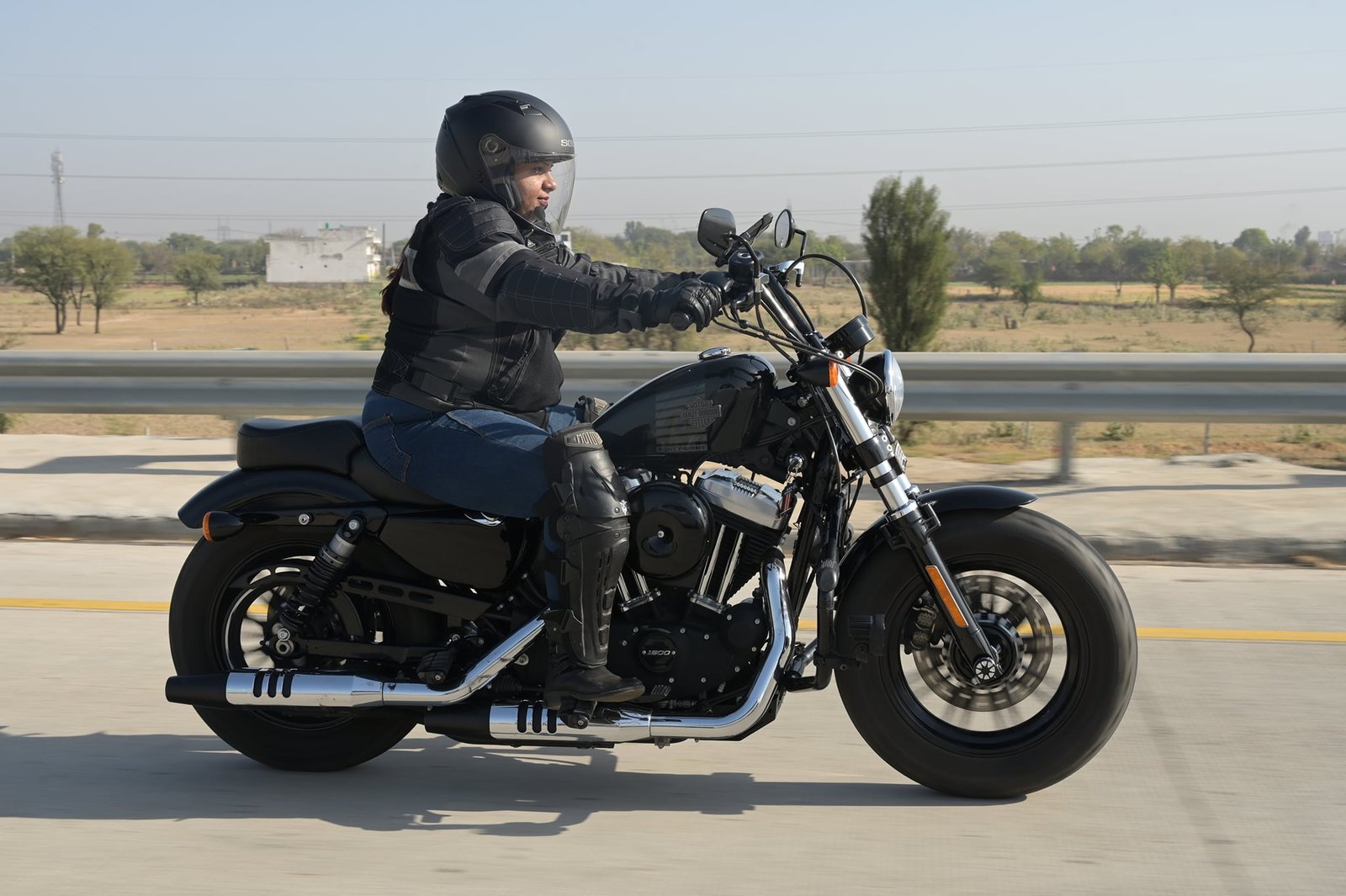
The Smart Hydration Strategy
- Before the Ride: Begin hydrating 24 hours in advance. Limit excessive caffeine and drink clean water mixed with electrolytes.
- During the Ride: Sip water every 20–30 minutes. Using a hydration backpack allows you to drink safely on the move without taking your hands off the bars.
- After the Ride: Rehydrate slowly with mineral-rich drinks or coconut water to replenish lost salts.
Nutrition for Sustained Energy
- Best Pre-Ride Breakfast Options: Oats, bananas, eggs, nuts, or yogurt. These provide a slow, steady release of complex carbohydrates and protein.
- Best Roadside Break Snacks: Fresh fruit, low-sugar energy bars, and coconut water.
- Foods to Avoid: Sugary energy drinks, fried foods, and heavy, carb-loaded meals that trigger a midday energy crash.
The Secret to Long-Distance Touring
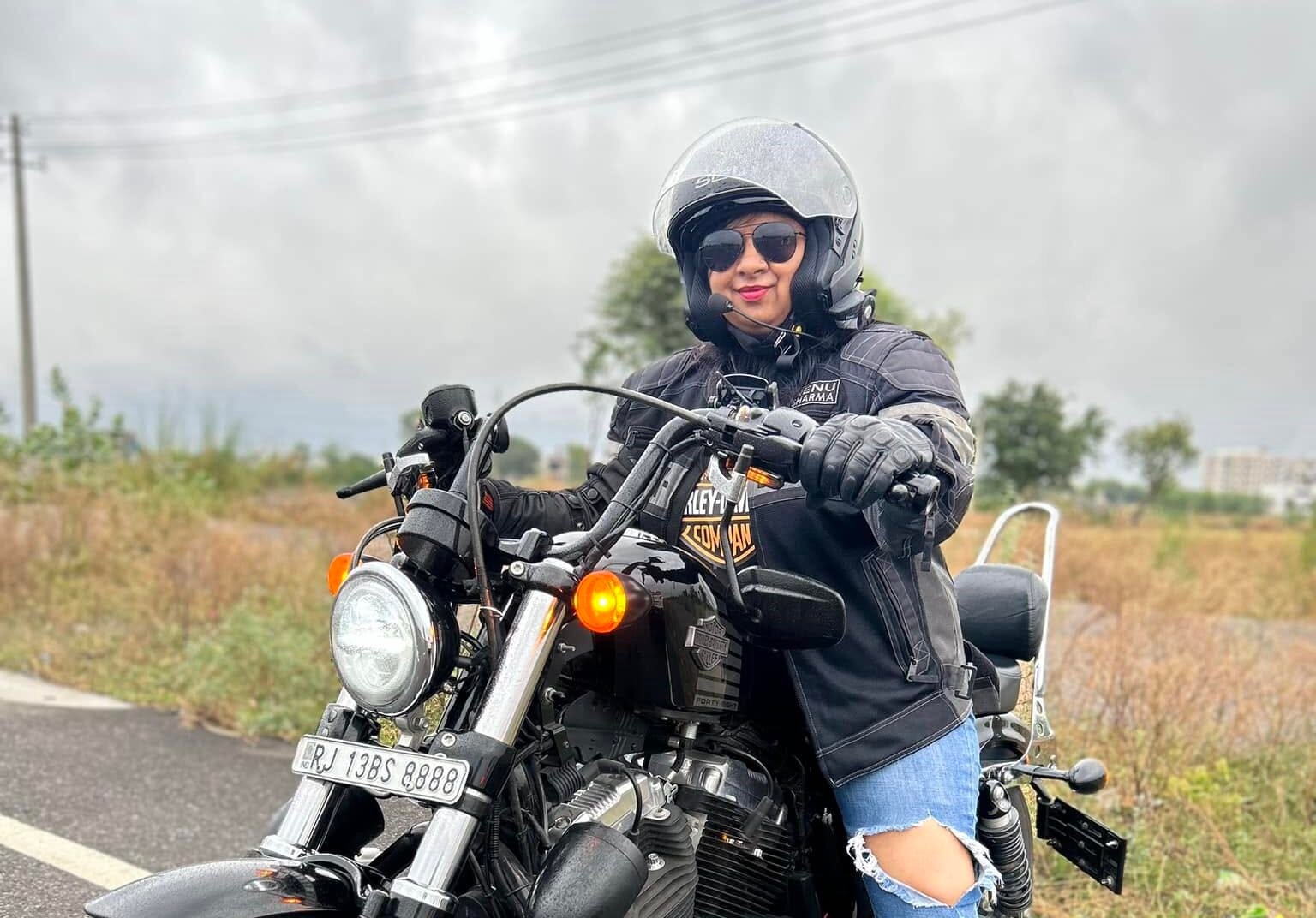
- The Ideal Pattern: Take a break every 60–80 km.
- Duration: Keep stops brief—just 5–10 minutes is enough to reset.
- The Break Checklist: Step off the bike, stretch your shoulders, rotate your wrists, walk around to restore lower-body circulation, and drink a few sips of water.
Overcoming Riding Anxiety
Common Mental Blocks & How to Beat Them
Fear of high-speed highways.
Comparing yourself to faster riders.
Overthinking the total distance.
Your 7-Day Pre-Ride Countdown Checklist
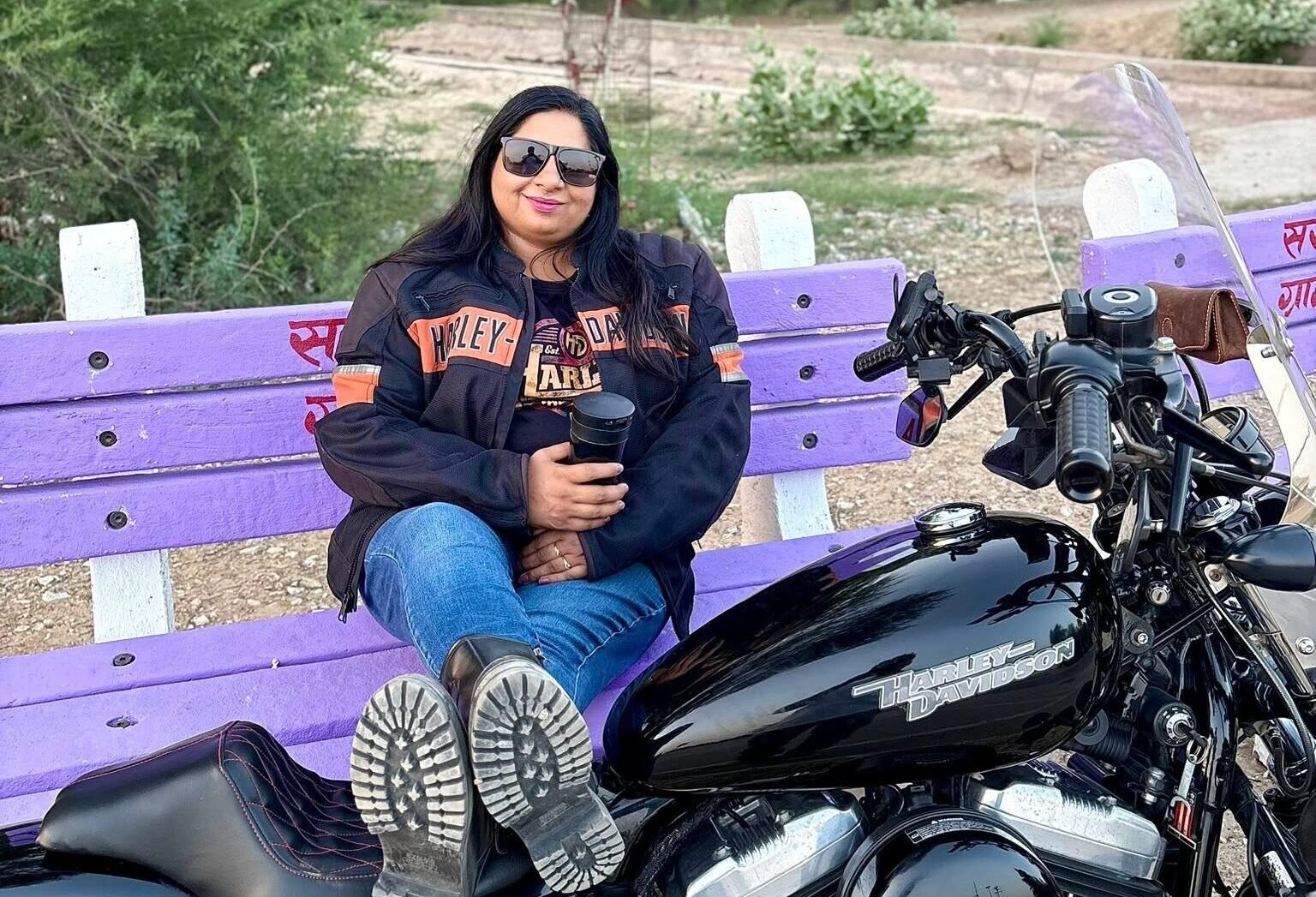
Building targeted support muscles prevents the dreaded “rider’s cramp.” Incorporate these simple exercises into your daily routine to eliminate wrist pain, shoulder stiffness, and lower back fatigue.
| Phase | Activities |
|---|---|
| Days 1–3: Conditioning | Short, light rides Daily stretching Proactive hydration |
| Days 4–5: Practice | Medium-distance ride Practice scheduled breaks Check gear comfort |
| Day 6: Prep & Rest | Full bike & gear check Mental visualization Get 8 hours of sleep |
| Day 7: Launch | Early morning start Calm, steady mindset Enjoy the journey! |
Quick Do’s and Don’ts
DO
- Start your journey at dawn to maximize cool, daylight hours.
- Stick strictly to your personal comfort speed, ignoring faster traffic.
- Listen to early physical warnings from your body before they become painful.
- Keep hydrating consistently throughout the day.
- Trust the physical and mental training you put in prior to day one.
DON'T
- Skip a scheduled stop because you "feel fine in the moment."
- Ride on an empty stomach or let your blood sugar drop.
- White-knuckle or grip the handlebars tightly (this causes immediate arm pump and hand numbness).
- Push through sharp, blinding pain; safety always overrides the itinerary.
Why Women Experience More Wrist Fatigue
Is a 200 km ride safe for beginner women riders?
Yes, absolutely. A 200 km ride is safe for beginners provided you have mastered basic bike control, plan a clear route, stay hydrated, and commit to a steady, sensible pace rather than rushing to match experienced riders.
How long does a typical 200 km motorcycle ride take?
On average, factoring in moderate cruising speeds and regular rest stops, a 200 km journey takes between 3.5 to 5 hours depending on road infrastructure, terrain, and city congestion.
What average speed should I maintain?
Do not try to maintain a high target speed. Focus on a steady, comfortable pace (typically between 60–80 km/h on open highways) that allows you to remain completely relaxed without feeling strained by wind blast.
Do I need special athletic fitness to ride long distances?
No. You do not need peak athletic fitness. Long-distance motorcycle riding relies on core stability, smooth joint flexibility, and situational endurance rather than raw muscular power.
How often should I stop during the trip?
You should pull over every 60 to 80 kilometers for a short 5-to-10-minute break to stretch, rehydrate, and give your mind a brief cognitive rest from road focus.
Can I complete my first 200 km motorcycle ride solo?
Yes, you can ride solo if you choose a well-traveled, familiar route during broad daylight and keep a fully charged phone with emergency roadside assistance contacts handy. However, riding with an experienced, patient partner can offer significant peace of mind for your first milestone attempt.
How often should I stop during the trip?
You should pull over every 60 to 80 kilometers for a short 5-to-10-minute break to stretch, rehydrate, and give your mind a brief cognitive rest from road focus.