perfect helmet for women riders
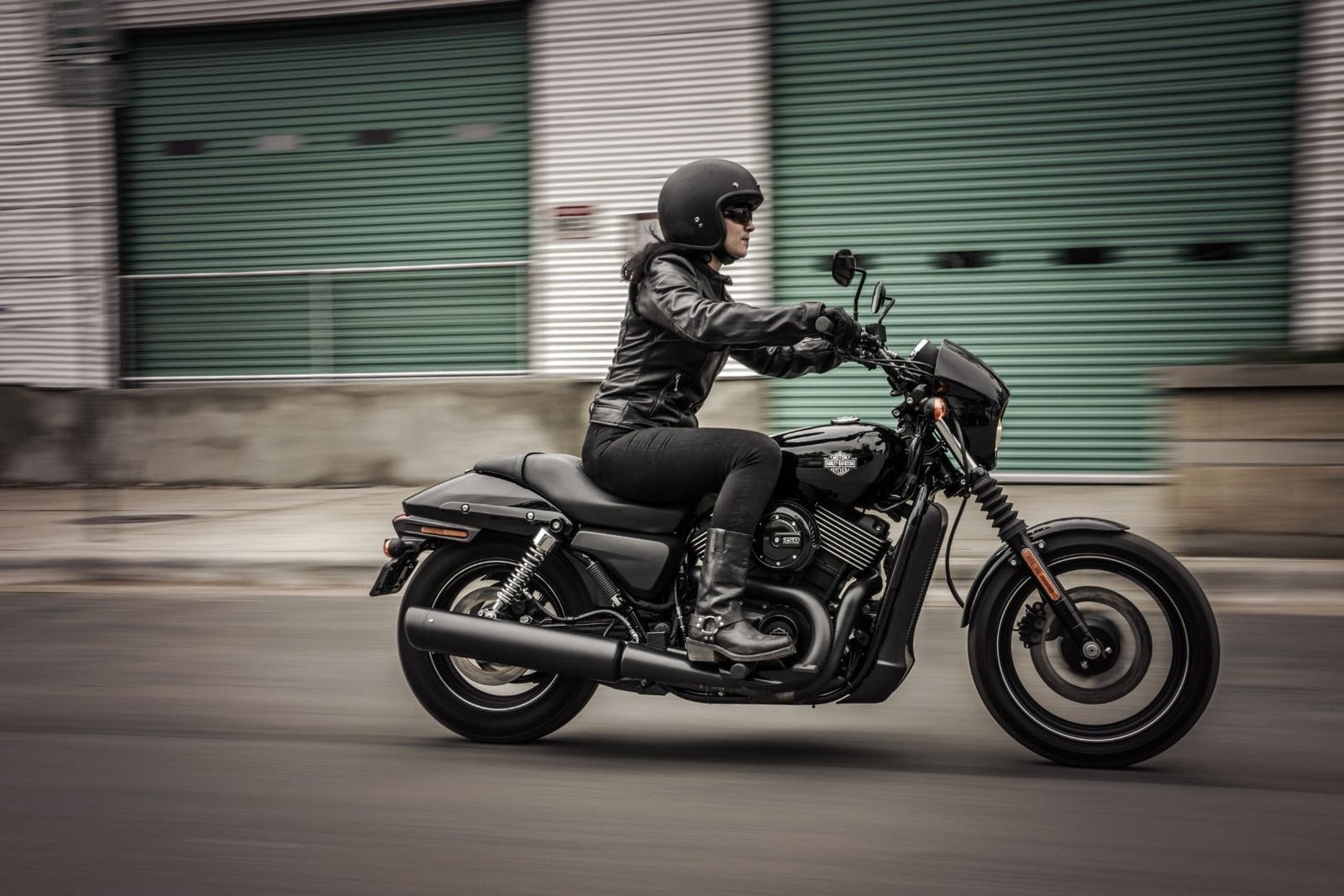
Most motorcycle helmets on the market are designed using male head dimensions. However, women generally tend to have smaller head circumferences, narrower jawlines, a different forehead curvature, and long hair to accommodate.
A helmet that simply “fits” your head size can still become deeply uncomfortable, causing painful pressure points after just 20 minutes of riding. Choosing a helmet tailored to your anatomy ensures it stays stable, keeps you focused, and protects your life.
Understanding Your Head Shape
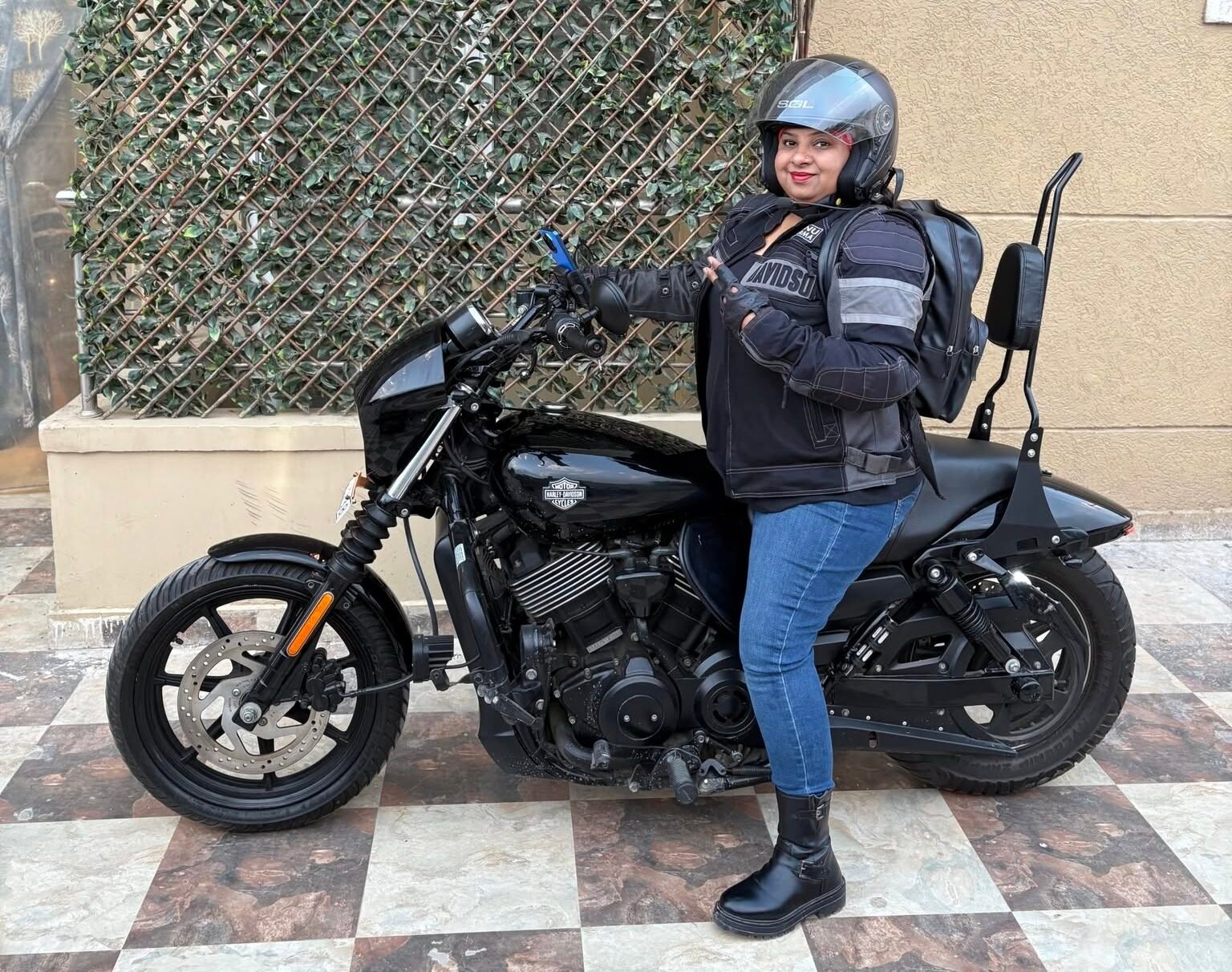
Before looking at sizes, you need to know your head shape. If the helmet profile doesn’t match your skull, it will wobble at high speeds or dig into your forehead.
- Round Oval: The head's width and length are roughly equal.
- Intermediate Oval: Slightly longer from front-to-back than side-to-side. This is the most common head shape.
- Long Oval: Noticeably longer from front-to-back than side-to-side.
Choosing the Right Helmet Type

Different helmet styles offer varying trade-offs between maximum safety, weight, and convenience.
Full-Face Helmets
- Why it works: Offers complete jaw, chin, and face protection. It provides the best wind noise isolation and stays perfectly stable at highway speeds.
- Best For: Daily commutes, highway touring, and long weekend rides.
Modular / Flip-Up Helmets
- Why it works: The chin bar flips up completely, allowing you to drink water or talk easily without taking the helmet off. It is highly convenient for riders who wear glasses.
- Downside: The extra hinge mechanisms make these helmets heavier.
Open-Face Helmets (The Lightweight C
- Why it works: Extremely lightweight and offers maximum airflow in hot weather.
- Downside: Zero chin or face protection. They are highly unsafe for high-speed highway riding.
Weight, Ventilation, and Hair Management

The Ideal Weight
For women riders, look for a helmet that weighs between 1.2 kg and 1.5 kg. Anything heavier puts immense strain on your neck and shoulder muscles, leading to quick physical fatigue during long trips.
Critical Ventilation for Indian Weather
To survive hot summers, prioritize helmets featuring dedicated front air intake vents, rear exhaust ports, and moisture-wicking liners. Solid airflow prevents sweat buildup and stops your visor from fogging up.
Ponytail-Friendly Design Tips
If you have long hair, look for helmets that feature flexible, removable padding or a distinct contour at the nape of the neck.
What to avoid: Never choose a helmet that presses tightly against a low hair knot, and avoid stiff neck rolls that don’t allow room for a braid.
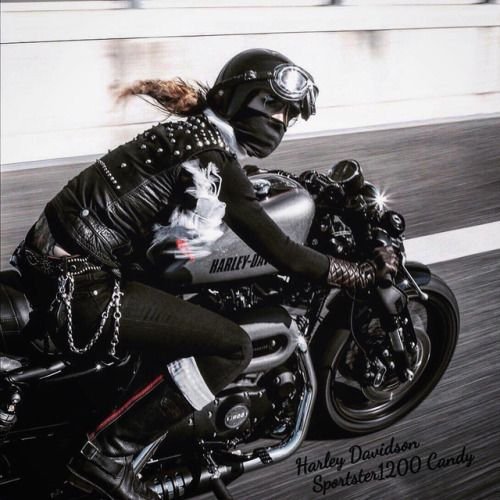
How a Helmet Should Fit: A Step-by-Step Guide
| Step | What to Do |
|---|---|
| 1 | Measure your head circumference about 1 inch above your eyebrows. |
| 2 | Wear the helmet and ensure it feels snug without shifting. |
| 3 | Keep it on for 10–15 minutes and check for pressure points. |
| 4 | Fasten the chin strap; only one finger should fit underneath. |
Safety Certifications to Check

Never buy a helmet based purely on graphics or price. Look for these official safety stamps on the back of the shell:
- ISI (Mandatory in India): The baseline legal safety requirement for riding on Indian roads.
- DOT (USA) & ECE 22.06 (Europe): Premium global standards that undergo rigorous impact, penetration, and chin-strap retention testing.
Budget vs. Quality Comparison

| Feature | Budget / Low-Quality Helmet | Premium Certified Helmet |
|---|---|---|
| Fit & Comfort | Inconsistent fit with pressure points and unwanted movement. | Ergonomic design that provides a secure, comfortable fit. |
| Ventilation | Limited airflow, leading to heat buildup and discomfort. | Advanced ventilation system for better airflow and cooling. |
| Weight Balance | Heavier construction that may cause neck fatigue on long rides. | Optimized weight distribution for reduced rider fatigue. |
| Safety Standards | May lack proper testing or use misleading certification labels. | Certified to recognized standards such as ISI, DOT, or ECE. |
| Impact Protection | Basic materials with limited energy absorption. | Engineered shell and EPS liner designed for superior protection. |
| Durability | Components wear out faster with regular use. | Built with high-quality materials for long-term reliability. |
Quick Do's and Don'ts
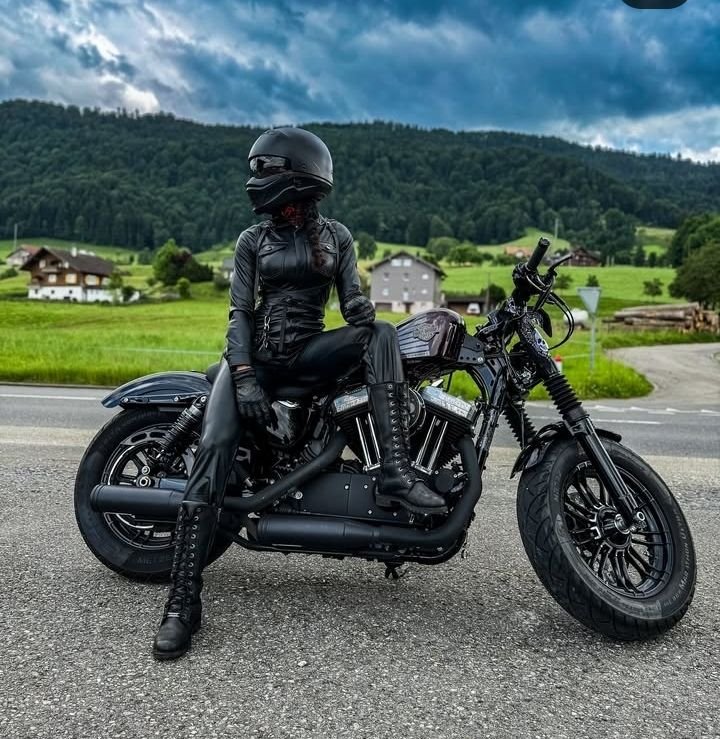
Do's
- Do select a helmet based entirely on fit, interior shape, and safety ratings over its color or style.
- Do replace your helmet immediately after any crash or major drop, even if it looks perfectly fine on the outside.
- Do wash the removable inner comfort liners regularly to clear out skin oils and sweat.
Don'ts
- Don't ever buy an oversized helmet just because it feels easier to slip on and off.
- Don't ignore localized pinching; minor discomfort in the store becomes blinding pain on the highway.
- Don't ride with a loose or unfastened chin strap, as the helmet will fly off before you hit the ground in an accident.
FAQs
Which helmet type is best for women riders in India?
You should service your Harley every 5,000–8,000 km, or at least once a year, as recommended in your owner’s manual.
How tight should a new motorcycle helmet feel?
Yes, absolutely. Basic maintenance is mostly about visual checks, checking tyre pressure, and monitoring fluid levels. Anyone can learn these habits in a few minutes.
How long does a motorcycle helmet last?
Routine checks and regular oil changes are quite affordable. Keeping up with small maintenance habits prevents large, expensive engine or brake problems down the line.
Final Thoughts

A high-quality helmet isn’t just an accessory—it is your ultimate life protector, a major fatigue reducer, and a massive confidence booster on the road. When your helmet fits your unique head shape perfectly, breathes well in the summer heat, and holds stable against the wind, every single ride becomes smoother, safer, and infinitely more enjoyable.